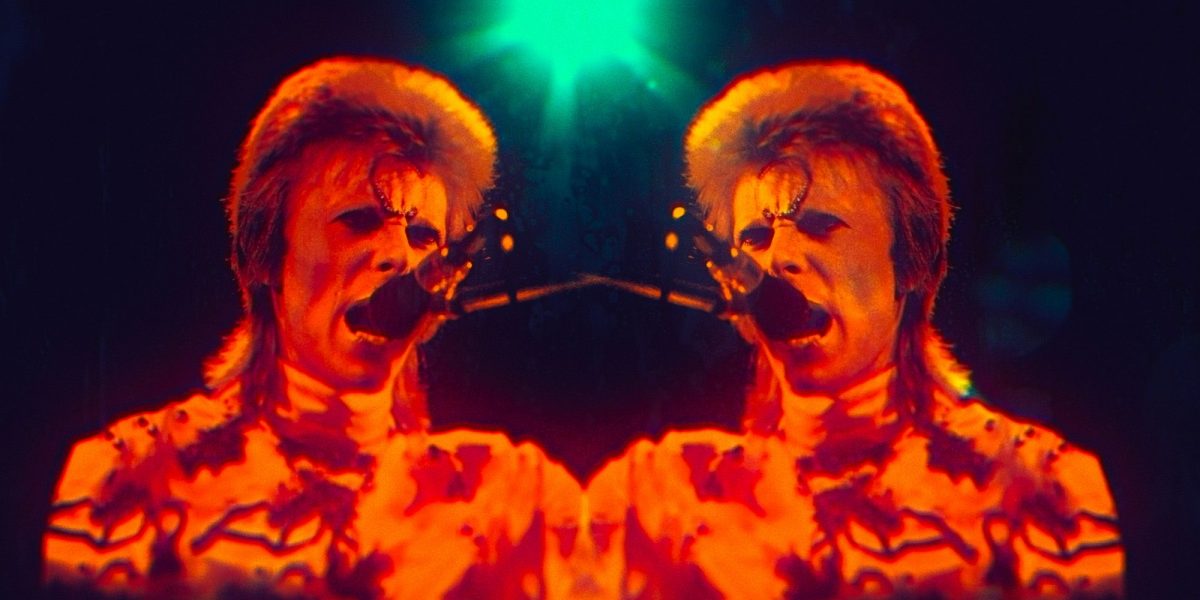
The David Bowie Documentary You Never Knew You Needed
Dec 8, 2022
Trying to capture everything David Bowie has done is a fool’s errand and a cradle-to-the-grave biography seems unnecessary in this era of Wikipedia deep dives. But the essence of David Bowie is worthy of a feature-length film. Writer-director Brett Morgen (Jane) is no stranger to deciphering icons. Morgen’s 2015 HBO documentary, Cobain: Montage of Heck, earned seven Emmy nominations and did so while bending the genre using beautiful animation. In this regard, documentary filmmaking might be evolving faster than any other genre. The common factor is creating a sense of intimacy between the subject and viewer. Moonage Daydream doesn’t really concern itself with David Bowie’s effect on the world; it lives and dies inside his own mind, and the decisions he made that impacted his art.
SCREENRANT VIDEO OF THE DAY
David Bowie narrates a hallucinogenic experience void of structure in this vast introspective on his creativity. The film is built sequence by sequence, but every scene is a mash of found-footage, vintage concerts, and explosions of color. Even some of the scenes that feel filmed cannot be confirmed to be one way or the other because the entire documentary is so sprawling. Other visual aspects include fire in the deep of space and hundreds of shots of classic film. By the end of Moonage Daydream, viewers will feel closer to the man than the music.
Related: Every David Bowie Movie Ranked From Worst to Best
Moonage Daydream is a movie about how David Bowie thinks. In that regard, it is a raging success. The interiority achieved by Morgen is nothing short of brilliant. The editing is top-notch and a standout. In one sequence Bowie is on stage in 1975 and the camera cuts between both him and a fan having an identical, almost orgasmic, experience, but it’s cutting together so fast they almost seem like the same person. Similarly, the sound editing blends Bowie’s voice over instrumentals of his music, then abruptly cuts to a searing interview about his personal life. Perhaps the coolest editing trick is a single image of Bowie expanded into a pastel of stickers that fill up the screen like a mosaic.
Though Moonage Daydream is set on not being a standard documentary, the content is pure gold when it does drift into familiar territory. The film goes 40 minutes without mentioning Bowie’s family; when it does, revelations about his brother and his relationship with mental illness will bring audiences to tears. When it comes to how Bowie actually wrote songs, fascinating tidbits — like the fact that he would write down different ideas and mix and match them to make interesting songs — showed how literal such an esoteric artist could be without audiences knowing. In his words: “It sounds incredibly indulgent and indeed it is. Because what I’m trying to do is mold the traditional methods of rock and roll with newer processes, trying to find a new form of language.”
The most fascinating idea put forth in Moonage Daydream is the intention behind Bowie’s process. Both public and private interviews depict him explaining things any other artist would consider taboo. Listening to him speak about his bisexuality is nothing short of brave. He looked right in the hosts’ eyes and explained his truth while still acknowledging that he was weaponizing people’s sexual angst to shape his celebrity. Later in his career, he would make the switch to more popular music with extreme intention. Before anyone got the chance to say he was selling out, he had already told the public he wanted to make music that felt good and made people feel good. It’s a statement that holds weight when he had spent nearly a decade making musical puzzles. When he released the song “Let’s Dance,” that’s exactly what the people did.
Morgen goes through hell and back, often literally, to create this portrait of an artist’s mindset. The fifth shot of Nosferatu — the film’s footage was used in the music video for “Under Pressure,” the collaboration between Bowie and Queen — is a bit much, and there is a case to be made that at two hours and 15 minutes long, every scene of montages should be shorter. But what is shown onscreen is as undeniable as Bowie himself. Through crafty editing and shrewd choices in motion graphics, Moonage Daydream paints a picture of a man and his incredible mind.
Moonage Daydream released in theaters on September 16. The film is 135 minutes long and is rated PG-13 for some sexual images/nudity, brief strong language and smoking.
Publisher: Source link



![Born Again’ Stars Explain Why Bullseye Is So Dangerous in Season 2 [Exclusive]](https://www.filmibee.com/wp-content/uploads/2026/03/Born-Again-Stars-Explain-Why-Bullseye-Is-So-Dangerous-in-1200x675.jpg)
Born Again’ Stars Explain Why Bullseye Is So Dangerous in Season 2 [Exclusive]
Along with Charlie Cox's Matt Murdock and Vincent D'Ofnorio's Wilson Fisk, Daredevil: Born Again Season 1 brought back one of The Man Without Fear's most notorious villains: Wilson Bethel's Benjamin Poindexter, better known as Bullseye. Not only was he back…
Mar 19, 2026
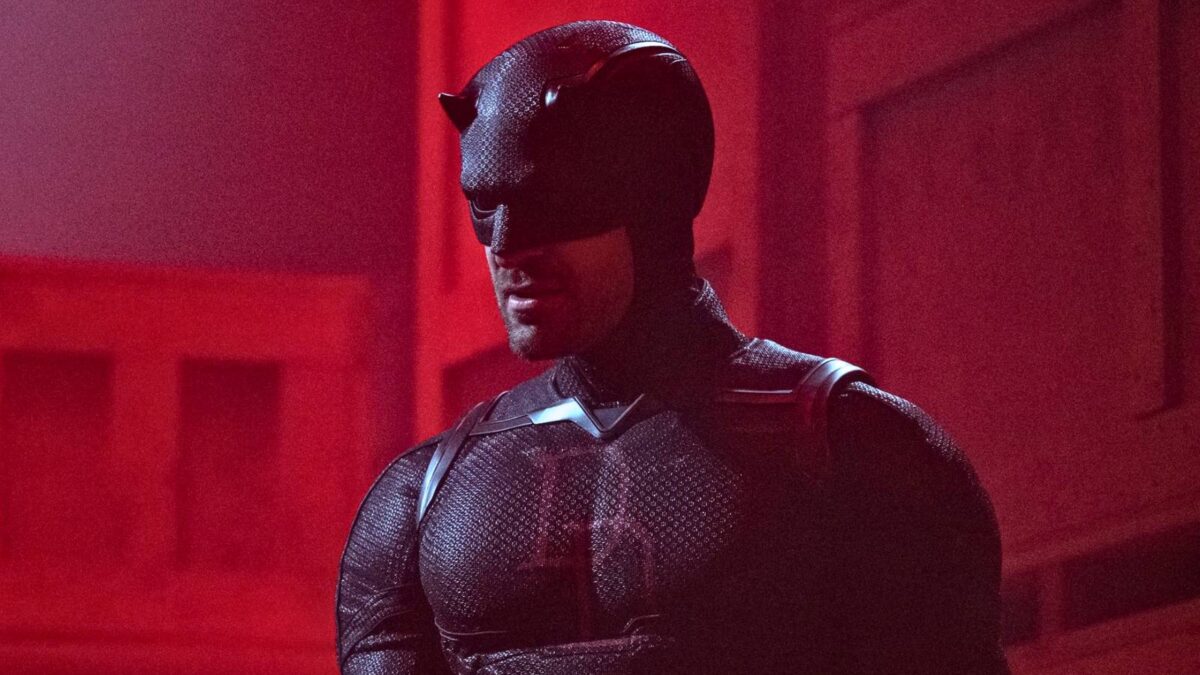
Born Again’ Showrunner Confirms ‘Avengers’ Character Is Key to Street Level MCU [Exclusive]
Ahead of the Avengers' return to the big screen later this year, Marvel Studios will return to street-level storytelling with the second season of Daredevil: Born Again on Disney+. Along with making the show canon to everything that happened in…
Mar 18, 2026

Taylor Sheridan’s Underrated Action Thriller Series Roars to Streaming Success
It’s now been two years since we last saw anything from the underrated action thriller series created by Yellowstone’s Taylor Sheridan, but having finally had some promising word about the new season, the show has now shot up the streaming…
Mar 17, 2026
Netflix’s ‘One Piece’ Fails To Replicate Success of Season 1 on Streaming
It's been a little over two months since Stranger Things came to an epic conclusion on Netflix that left a massive hole in our hearts in more ways than one. However, the show's biggest replacement in terms of sheer production…
Mar 16, 2026