The Netherlands’ Most Infamous True Crime Case Becomes a Searing, Intimate Drama
Mar 26, 2025
Even before the true crime zeitgeist reached its arguable peak in the mid-2010s — those days when you couldn’t shake a metaphorical stick without hitting either a cleverly-named podcast or a binge-in-one-sitting, cultural watershed Netflix documentary — the genre’s popularity was accompanied by a different kind of societal response that, over time, gained prominent traction. When it came to the media’s framing of, as well as the public’s response to, true crime coverage and consumption, numerous advocacy groups urged upcoming films and television series to employ a different approach — to dispense with relying on twisty, sensationalized murder mysteries, and recalibrate the focus on those affected by a criminal’s actions instead of centering our psychological fascination with violent perpetrators.
The Hunt, Viaplay’s new Dutch-language drama based on a horrific and historically significant murder that’s still raw in the Netherlands’ memory, introduces its killer within the series’ first frame. It’s no spoiler to say the culprit is a man, and watching his face remain vacant while his wife’s tormented screams echo off-screen is a dramatic tool series writer Willem Bosch and director Michiel van Erp use on multiple fronts. For one, immediately revealing the killer contrasts with how the real-life murder and rape The Hunt fictionalizes, that of 16-year-old Marianne Vaatstra in 1999, went unsolved for 13 years until revolutionary advancements in forensic DNA research secured a conviction.
Likewise, denying its audience the satisfaction of deducing a “whodunit” scenario means The Hunt joins other contemporary true-crime tales in challenging the genre’s worst failings. The Hunt concerns itself not with the myth of the clever and charismatic killer, but with the legitimate, manifold ways a tragic loss breaks a rural community. Grief can spiderweb out with an assassin’s precision, and this series’ layered portrayal captures such ugly feelings. This particular case also has a crucial sociopolitical and economic context: when dangerous right-wing rhetoric sparks an already festering conflict into a wildfire of racially motivated violence.
What Is ‘The Hunt’ About?
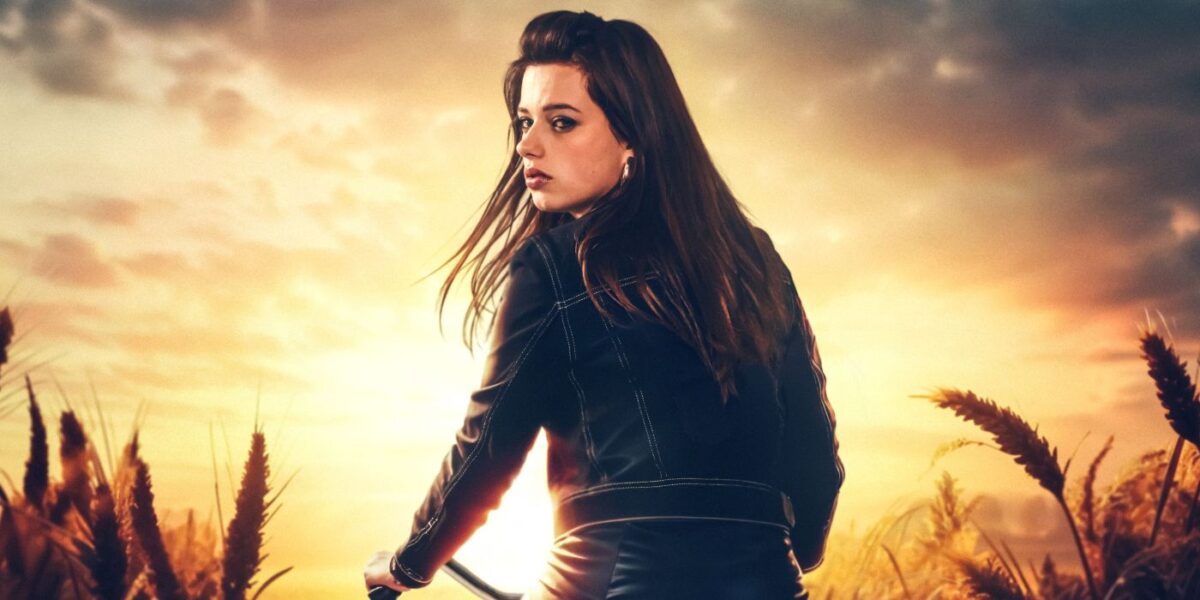
One morning in 1999, the sleepy town of Griesbeek awakens to devastating news. Anneke Boorsma (Richelle Plantinga), a 16-year-old student, was last seen the night before riding her bike away from a busy club. A bone-chilling fear becomes an inescapable reality when Anneke never makes it home. Search parties locate her body in an otherwise empty field miles outside Griesbeek, where she was murdered, raped, and abandoned. When the residents furiously cast about for a target for their misdirected grief, the not-idyllic but relatively normal village risks imploding upon itself. Many automatically suspect the innocent families who fled Afghanistan for sanctuary in Griesbeek’s refugee center, and when the local authorities make no arrests, certain parties take retributory violence into their own hands — a xenophobic powder keg that extremist politicians amplify once they realize the benefits of exploiting the corpse of a young European woman.
Despite Griesbeek’s small population, and true to how the Marianne Vaatstra case unfolded, Anneke’s murder isn’t solved until 2012. A long-shot, last-chance, and breakthrough DNA kinship study locates the culprit: a trusted community member who somehow, either by oversight or coincidence, slipped past the detectives’ net. Arresting Anneke’s killer through conclusive evidence doesn’t reverse the torturous final moments of her life or heal her loved ones’ trauma. Such comfort is colder than black ice. But as profoundly flawed as the punitive justice system is, no scenario exists where it’s preferable for this hidden predator to remain comfortable and escape consequences.
‘The Hunt’ Explores the Different Ways People Grieve
Covering and condensing a 13-year timeline into eight episodes (all of which were provided for review), The Hunt’s style relies upon a cohesive interplay between the past and the present. In each installment, investigators Joanna van der Veen (Imanuelle Grives) and Syl Frankenaar (Tim Linde) inform a different individual about the murderer’s impending arrest. The episodes then revolve around that character’s relationship with Anneke and their experiences during the intervening years since her death. Be they loved ones or mere acquaintances, each person’s specific, selective perspective paints a fuller picture of the town’s culture.
It’s a phenomenal framing device and a deceptively complex way for The Hunt to maintain thematic clarity and urgency, progress the wider plot movements, and flesh out intimate personal details captured within this microcosm of tragedy. During a present-day scene, one character observes how she’s become numb to seeing the official crime scene photos of Anneke’s murder. Once the grisly, invasive images were leaked to the public, tabloid websites and armchair social media sleuths circulated them to the point of mass desensitization. “You almost forget how gruesome it is,” the character remarks — a sentiment equally applicable to those who monetize true crime and the radically different ways people grieve.
Related
‘The Hunt’ Trailer Brings the Biggest True Crime Case in the History of the Netherlands to the Small Screen [Exclusive]
The series will make its way onto Viaplay in the U.S. later this month.
When a profound loss leaves a gaping hole in our world, and we’re required to keep living despite the permanent damage, we seek anything — an action, a purpose, a lifeline to grasp. And because answers to life’s worst cruelties don’t exist, some individuals lose themselves by clinging to any semblance of logic or control, no matter how egregious their elaborate conspiracy theories and white supremacist talking points are. Certain people, like Anneke’s father Rinus (Hans Kesting), grieve like wounded animals — The Hunt’s parallel between people weeping and the baying sounds of agonized, fearful cattle couldn’t be more apparent (and although it’s on the nose, it’s undeniably disturbing). Anneke’s mother, Dinie (Mara van Vlijmen), exhibits a more internalized mourning that’s no less abject than either Rinus’s midnight wails or his public protests against the refugee center. As for Jeroen Bovenkamp (Gijs Blom), Anneke’s former boyfriend, even a flashy sales job, a wife, and a baby on the way can’t prevent him from buckling under the self-destructive weight of his guilt.
‘The Hunt’ Avoids Common True Crime Pitfalls
Image via Viaplay
Even those distanced from the crime still have inescapable ties to Anneke. The Hunt leads with Fenna Schepenaer (Eefje Paddenburg), a teenager who only knows Anneke as a fellow student until Fenna becomes the last witness to have seen her alive, and the other girl sifts through her unreliable memories for potential clues. When it comes to Kees Vormer (Jack Wouterse), a lifelong Griesbeek resident first and its mayor second, he’s trying and failing to keep hold of his fractured village. The same man who voluntarily picks up litter on his way to the office and quietly supports the refugee center can also downplay just how deeply right-wing propaganda has taken root in his home. Simply put, anguish — collective or individual — is easy enough to ruminate upon in fiction, but incredibly tricky and taxing to authentically capture onscreen. The emotions on display throughout The Hunt, in all their gradations, are exactly as chaotic, visceral, and polarizing as they should be.
As for Anneke’s killer, there’s no diagnosis to blame beyond his entirely self-aware choices. The Hunt does include brief yet deeply disturbing situations of sexual assault, which some viewers could find unnecessary. Yet this series never lingers without purpose. By presenting the headspace of a sadist who isn’t a mastermind, whose actions aren’t so self-aggrandizing as to warrant morbid fascination, The Hunt denounces the culture surrounding serial killers by ignoring its existence. This is one of Griesbeek’s own, an average-looking and normal-acting man who indulges his vile urges through a single crime he doesn’t regret beyond his comeuppance — a mentality that’s far more accurate and frightening.
‘The Hunt’ Is a Haunting, Modern True Crime Epic
Image via Viaplay
Ultimately, these explorations beg the question: Who is Anneke herself? According to The Hunt, a girl with dreams and plans to travel. Her impulsive streak stems from that universal feeling of adolescent indestructibility, and because she wants more from life than her village’s cramped borders can offer. Meanwhile, her youthful naivety is tempered by common teen behavior: partying, drinking, and sexual exploration, as well as feeling and thinking more deeply than most people would give a 16-year-old girl credit for. It would have been nice to see more of Anneke the individual instead of gathering pieces of insight from other people.
That said, The Hunt strategically assembles those intentionally scattered pieces of Anneke into a core vision from which Bosch and van Erp never stray. Common story refrains like despair, regret, needless cruelty, and the fragile yet enduring bonds of community, land with an impact all the more earth-shattering for The Hunt’s unrelentingly bleak atmosphere and utterly devastating quietness. You might remember this series with an adrenaline-spiking jump, like spotting something in the corner of your eye. It might brace itself inside your chest as tightly as a closed fist. Either way, you won’t easily forget a character-first true crime adaptation with goals as exacting, clear, and evisceratingly deployed as a surgeon’s scalpel.
The Hunt premieres March 27 on Viaplay.
The Hunt
The Hunt turns the Netherlands’ most infamous true crime case into an intimate, searing TV drama.
Release Date
September 12, 2024
Cast
Pros & Cons
The Hunt explores complex themes surrounding true crime and resists common genre pitfalls.
The performance of the ensemble cast are phenomenal across the board.
The series’ unique style humanizes the characters and respects the victims instead of fixating over the murderer.
Anneke isn’t reduced to a trope despite her fate and her limited point-of-view.
Showing events from Anneke’s perspective doesn’t fit the series’ framing, but seeing more of the victims never hurts.
Publisher: Source link


New ‘Wheel of Time’ Animated and Video Game Adaptations Are in the Works
Amazon might be finished with The Wheel of Time, but we haven't seen the end of the story when it comes to adaptations of Robert Jordan's bestselling high fantasy saga. Fans were left blindsided when Amazon abruptly pulled the plug…
Mar 22, 2026
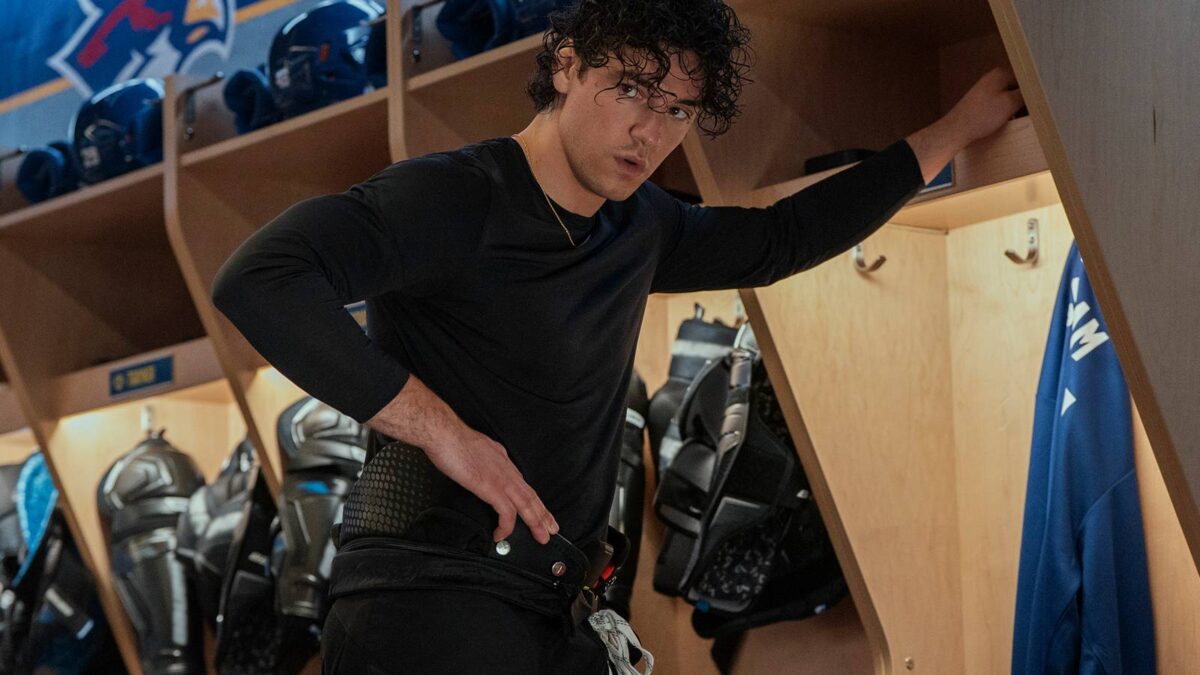
‘Off Campus’ Teaser and Release Date Revealed by Prime Video
No one expected a love story between rival hockey players to become one of the most talked-about TV shows of 2025, but there's a lot more where Heated Rivalry came from, as a new teaser for Prime Video's foray into…
Mar 21, 2026
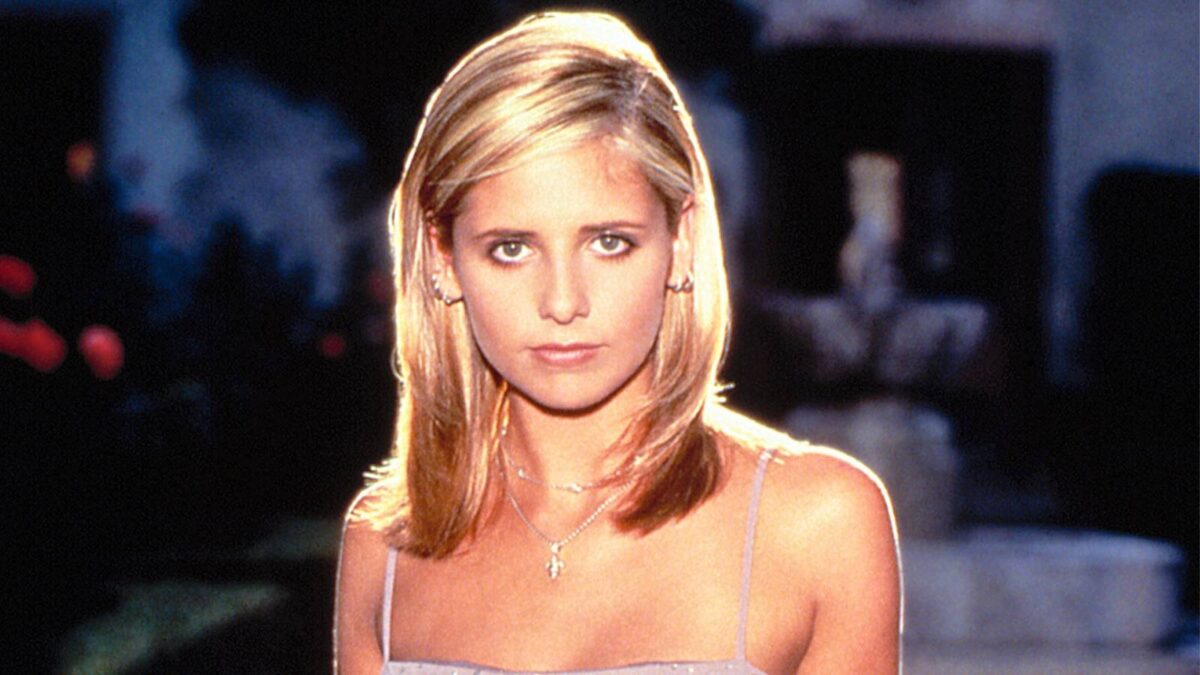
Sarah Michelle Gellar Urges ‘Buffy’ Fans to Avoid Reading Leaked Reboot Scripts
Buffy the Vampire Slayer fans have had a rough few days after Hulu officially pulled the plug on a revival of the series, which would have brought star Sarah Michelle Gellar back as the titular heroine. Described as a continuation…
Mar 20, 2026
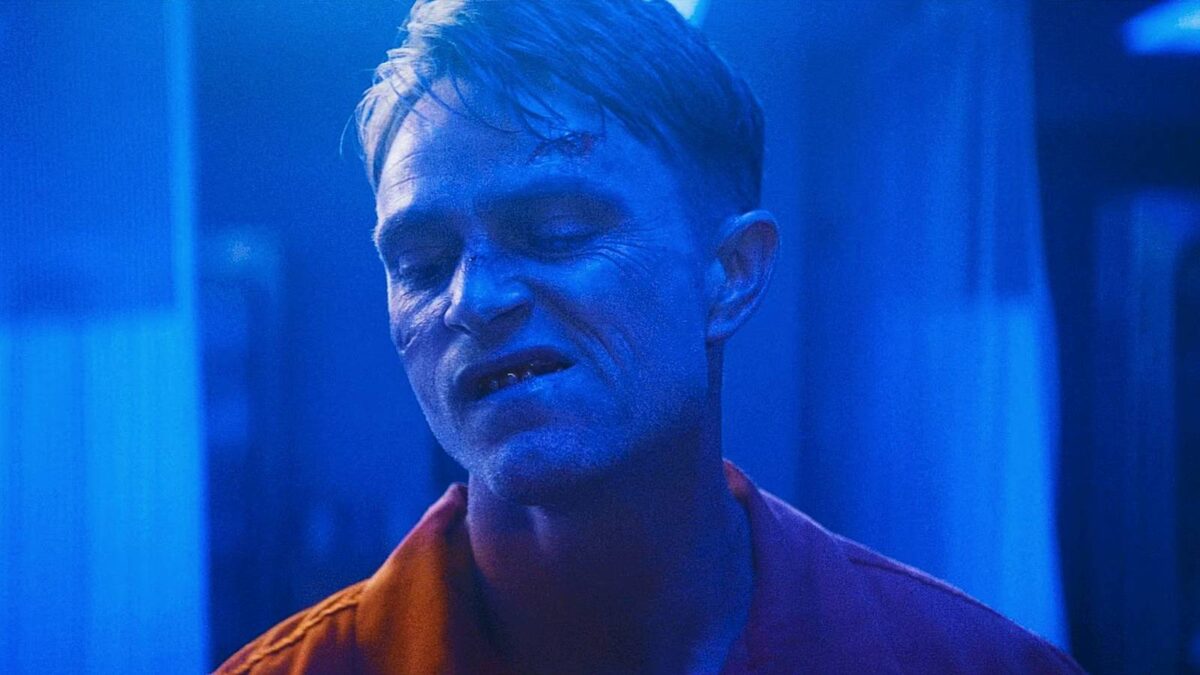
Born Again’ Stars Explain Why Bullseye Is So Dangerous in Season 2 [Exclusive]
Along with Charlie Cox's Matt Murdock and Vincent D'Ofnorio's Wilson Fisk, Daredevil: Born Again Season 1 brought back one of The Man Without Fear's most notorious villains: Wilson Bethel's Benjamin Poindexter, better known as Bullseye. Not only was he back…
Mar 19, 2026