“The Step from Being a Human to Becoming a Monster is Much Shorter than We Think”: Oksana Karpovych on Her ND/NF Doc, Intercepted
Apr 11, 2024
Intercepted
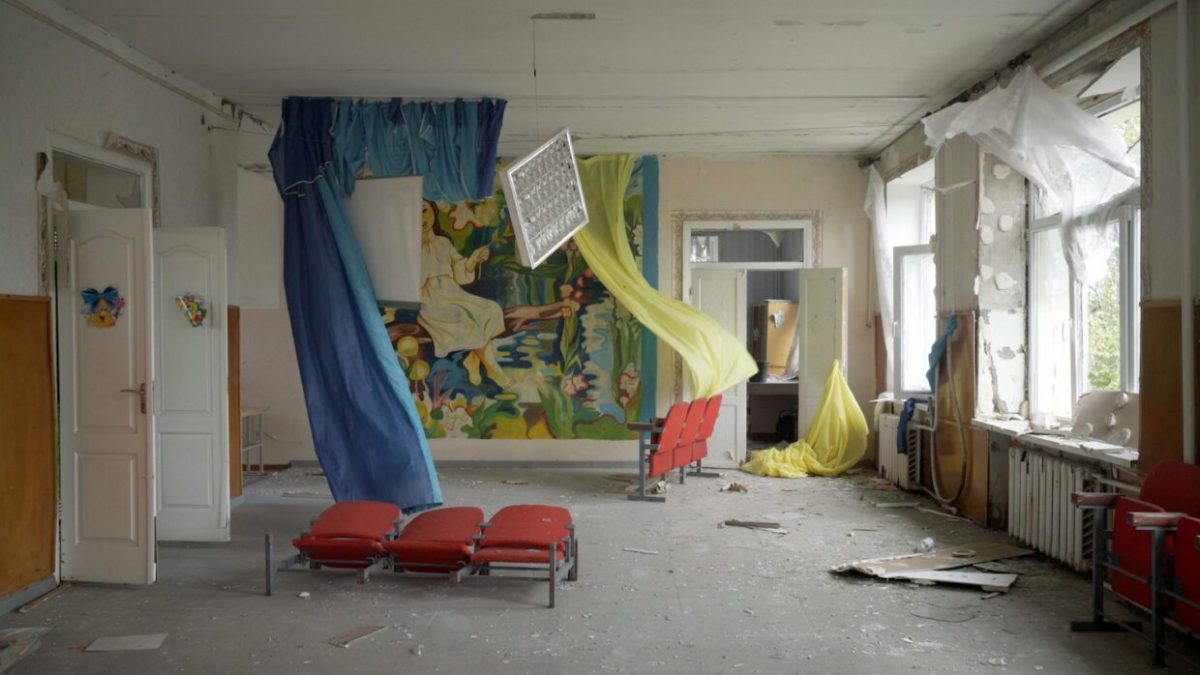
While the on-the-ground horrors of Russia’s full-scale invasion of Ukraine have been viewed around the world, often in real time — and even formed the basis of this year’s Best Doc Feature Oscar winner, Mstyslav Chernov’s 20 Days in Mariupol — Ukrainian-Canadian filmmaker Oksana Karpovych has chosen to take a much different and rather innovative approach to documenting the war. Intercepted premiered this year at the Berlin International Film Festival before traveling to CPH:DOX and now, tomorrow night, New Directors/New Films, and while it contains no shortage of cinematically-framed images of both devastation and defiant rebuilding, it predominantly captures our attention through an archive of voices — specifically those of Russian soldiers phoning home from the frontlines. The riveting conversations, all intercepted by the Ukrainian Secret Service back in 2022, veer from maddeningly heartless, to downright confused, to painfully clear-eyed and back again, culminating in a sort of audio X-ray of the imperialist psyche itself.
Just after the film’s screening in the Urgent Matters section of this year’s CPH:DOX, Filmmaker caught up with the bi-continental, Kyiv-born director, who also worked as a local producer with international reporters covering the spring 2022 assault on her beloved homeland.
Filmmaker: Your idea of using the visuals to convey the “quietness of war” really explains the suspense film aesthetic for me. Often witnessing the devastation through the front windshield of a slow-moving car seems rather reminiscent of the “hidden monster” POV. So were you thinking in terms of the horror genre as well?
Karpovych: When it comes to cinema genres I am a big fan of thrillers and body horrors. Back in film school in Montreal, I was also a student in an amazing course on the history of horror. In that class I learned that horror was nothing but a response to social reality. Although fictitious, Godzilla, King Kong, zombies, etc. are grotesque cinematic embodiments of concrete political and historical circumstances.
I remember vividly the moment when me and Chris Nunn, our cinematographer, played back our footage from the top of the Russian armored vehicle for the first time. We shot those images in Izium, a town in the Kharkiv region that was occupied for six months. We went to Izium ten days after it was liberated by the Ukrainian forces; we discovered lots of devastation and a mass graveyard containing killed civilians. I told Chris that the images we shot weirdly reminded me of video games. Chris said that it was exactly the opposite: it was the video games that imitated life.
The Russian invasion of Ukraine is a horror that is happening in real time and space. It is happening in front of our eyes and to our bodies. For me, it is horrific and grotesque enough to simply document it without adding any figurative elements. My idea of the frontal tracking shots wasn’t coming from horror films but from reality. I imagine the worst terror on earth is to be an invader who eats dogs, kills children and rapes women — a completely dehumanized being.
Filmmaker: Can you talk a bit about developing the sound design, and also your use of electronic music. The creepy synth score likewise seemed to highlight the uneasy “quietness of war.”
Karpovych: I pay a lot of attention to sound in film, and I appreciate it when it is done seamlessly, without viewers noticing it, when it affects us more on a subconscious level.
My direction for sound design was exactly this: to save as much as possible of the existing tension that was present in our production footage, both video and sound, and to create an immersive effect. I had total trust in Alex Lane, our sound designer, and my classmate from film school in Montreal, for achieving it. Kyiv-based musician NFNR came onboard later in post-production. NFNR creates dark electronic sound and techno, and made an original track for us, but it’s not what is usually called a “film score.” We used the music creatively, deconstructing it into elements and blending it with the general soundscape of the film.
Filmmaker: I read in the press notes that you were particularly struck by the conversations between the Russian soldiers and the women in their lives — specifically the level of openness and intimacy on display. But did you find yourself at all conflicted as you were listening? As a woman watching your own soldiers fight and die were you able to put yourself in these women’s shoes, or as a Ukrainian do you simply view them as complicit?
Karpovych: Russian women from the intercepts hurt me more than anyone else in this war. I used to believe that, generally, sensibility and emotional intellect are women’s strength; and that being a feminist is among other things to hold on and exercise the power of empathy.
What surprised me in my female characters is not a lack of compassion towards Ukrainians but towards their own sons. Not all, but the majority of women I discovered through the intercepts tried to feed and fuel the already existing aggression and violence. They were judgmental if ever their sons expressed any kind of softness. This only signifies how much Russian women are victims and bearers of Russian patriarchal politics and culture.
Filmmaker: I found it quite interesting that you worked with a “military volunteer” while filming in Kharkiv. Are these volunteers actually helping filmmakers and journalists as part of their duties, or were you simply tagging along as he delivered supplies and equipment?
Karpovych: I don’t think there are any rules or such here because the very existence of “military volunteers” in Ukraine is unusual: it was provoked by the Russian invasion in 2014 and is possible thanks to the fact that Ukraine has a strong civil society.
The volunteers in Ukraine do everything possible, and sometimes impossible, to help the cause. These are people who have natural leadership and networking skills and talents, and I am not surprised if helping journalists or filmmakers is something they end up doing. Artem Fysun, a volunteer from Kharkiv with whom we worked, was someone who evacuated me to a safer place in Central Ukraine the day when the total war started. We have known each other for two years now and have become friends. I know that I could rely on him even if helping filmmakers isn’t his main activity.
Filmmaker: What are your hopes for the film now that it’s out in the world, and what lessons do you ultimately hope audiences will take away from it?
Karpovych: Wars start as political decisions made by actual people. Wars are planned and can’t occur without a well-prepared ground. In the case of the Russian invasion of Ukraine, this ground is centuries of imperialist and colonizing politics and deliberate propaganda of hatred.
But I want Intercepted to challenge the myth of “Putin’s war” that is so present in the West. I want audiences to see the complexities and to recognize the fact that there are thousands, hundreds of thousands of people, ordinary Russians, who directly take part in or support the invasion. Without their participation war crimes would not be possible.
This film is also a warning to all of us. We people, individually and collectively, are extremely sensitive to manipulation and propaganda. The step from being a human to becoming a monster is much shorter than we think.
Publisher: Source link


Prime Video’s ‘God of War’ Casts ‘Lost’ Star Sonya Walger as Freya
Amazon's upcoming God of War series that is currently in production is also one of the most anticipated of the next couple of years. Film and television adaptations of popular video games have been on the rise, with creative teams…
Mar 28, 2026
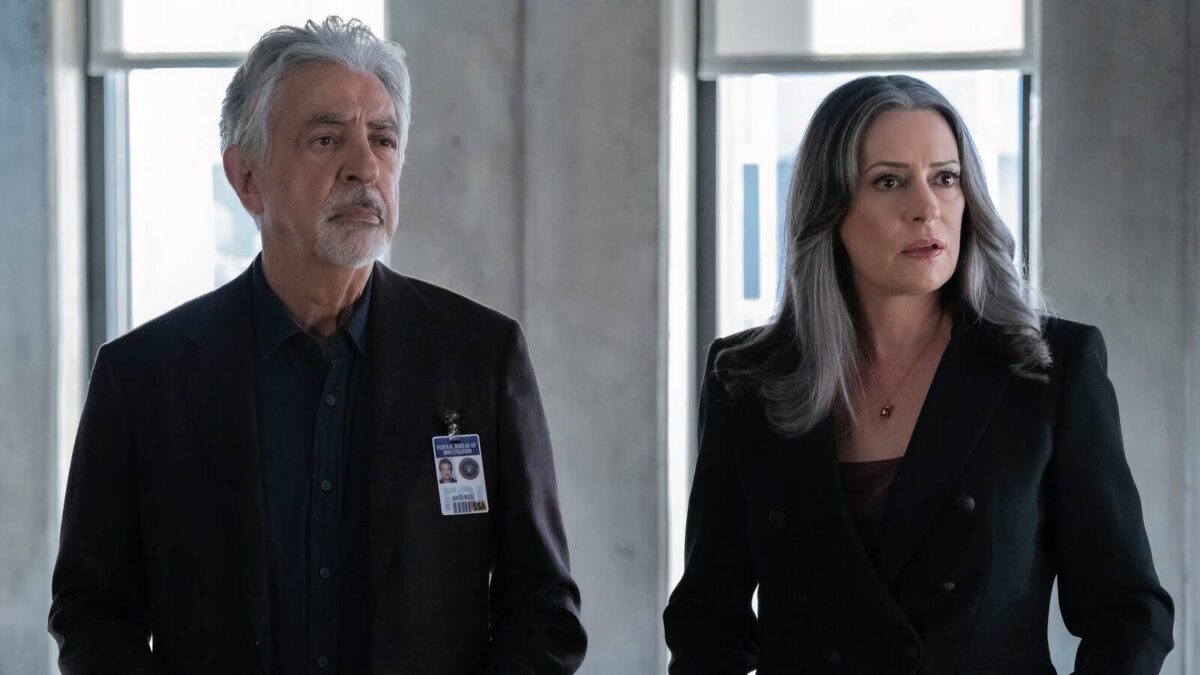
Paramount+ Renews ‘Criminal Minds: Evolution’ for Season 19
The start of its new season is still weeks away, but fans of Criminal Minds: Evolution won't have to wait that long to learn the fate of the long-running hit crime procedural. Execs at Paramount+ have already decided what the…
Mar 27, 2026
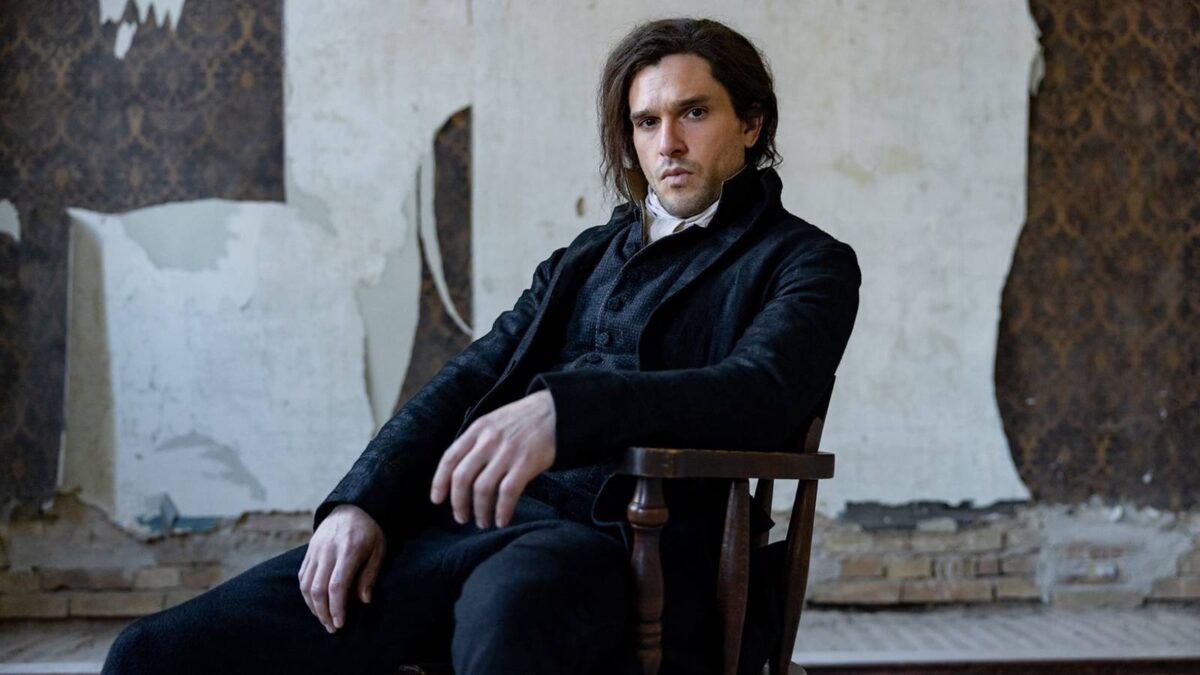
‘A Tale of Two Cities’ First Look Reveals Kit Harington in MGM+ Series
The BBC and MGM+ are teaming up with a new four-part limited series adaptation of Charles Dickens' classic 1859 novel A Tale of Two Cities. Game of Thrones veteran Kit Harington will play Sydney Carton, a cynical English lawyer who…
Mar 26, 2026
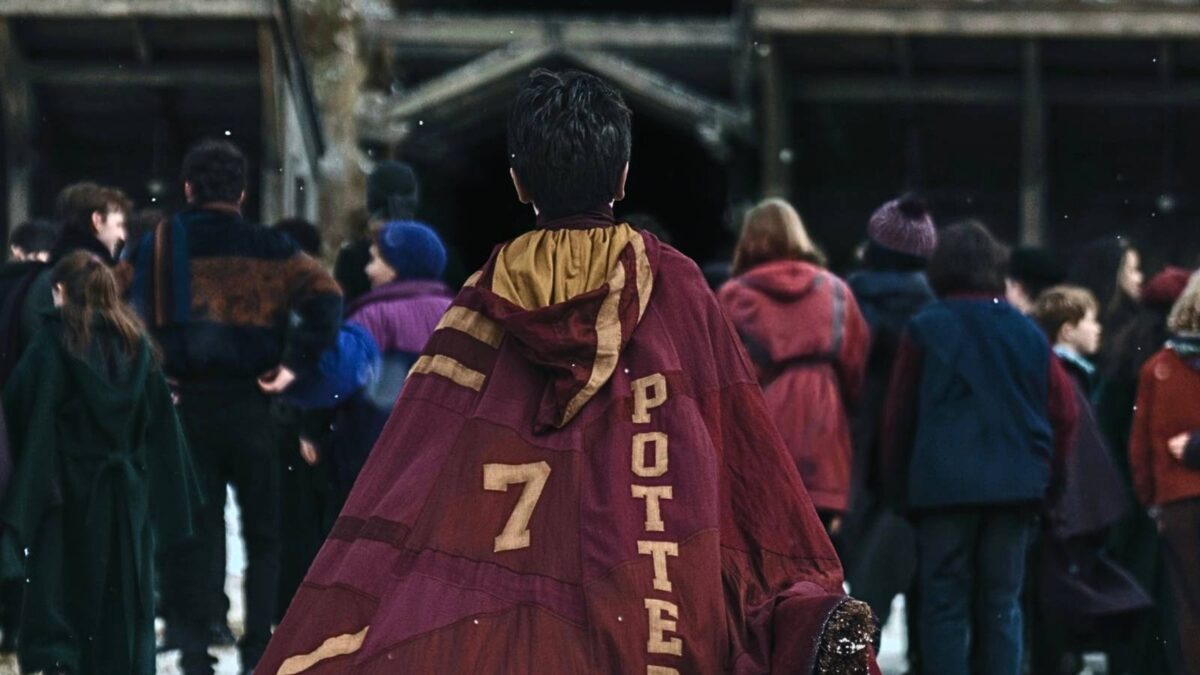
HBO ‘Harry Potter’ Series Image Reveals Dominic McLaughlin in Title Role
The first official look at HBO's upcoming reboot of Harry Potter has finally arrived, and it is already teasing a magical trailer release. As we inch closer to the show's expected 2027 release, the network has begun to reveal more…
Mar 25, 2026