‘Went Up the Hill’ Review
Sep 22, 2024
As a society, we are more than familiar with ghost stories. They are intrinsically woven into all cultures across the globe as a facet of humankind. For thousands of years, ghosts have evoked fear, bred curiosity, and offered comfort to many an individual. Ghosts have long served as omens through fables, representing hope and evil, as well as symbolizing the afterlife. As human beings turned to art to express themselves and tell stories, ghosts naturally crept into the foundation of paintings, books, poems, and films. Went Up the Hill is no exception, as emerging filmmaker Samuel Van Grinsven’s newest feature utilizes a ghostly presence as a conduit to affix two otherwise disconnected individuals together in a meandering but not unflawed tale.
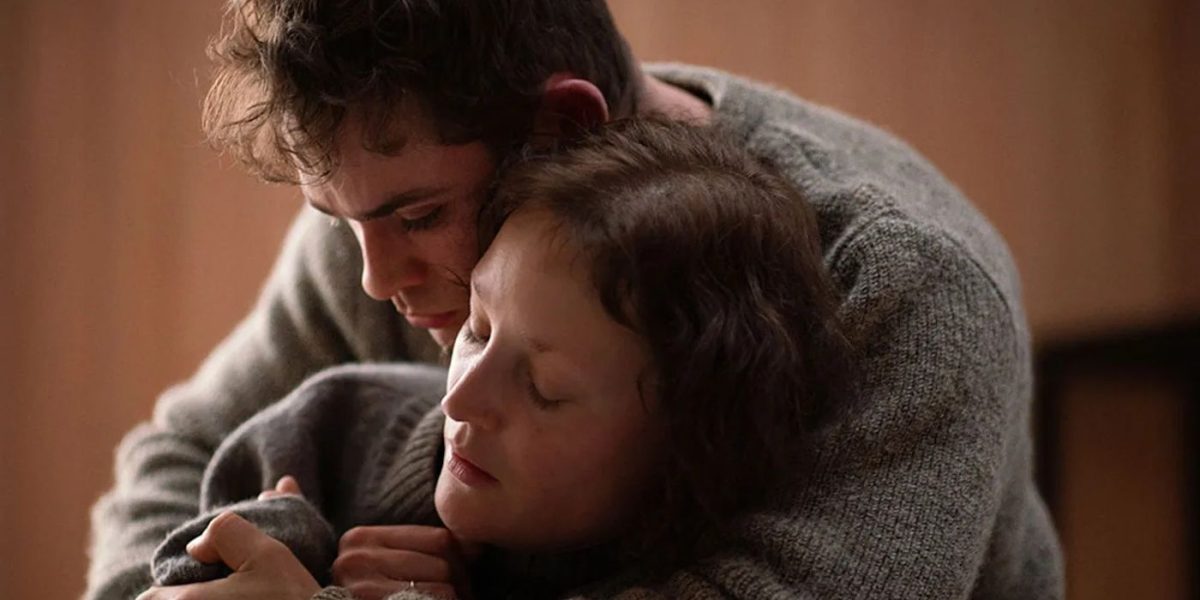
Vicky Krieps (Phantom Thread) stars as Jill, a meek woman processing the passing of her wife, Elizabeth. She’s mourning in the walls of their unnerving modern home in remote New Zealand when an unexpected young man, Jack, (yes, really) appears at her doorstep. Portrayed by Dacre Montgomery (Stranger Things), Jack explains he received an invitation to the funeral and reveals that he is Elizabeth’s biological son. Though Jill is confused, she invites him in and permits him to stay in the house, despite the protest from Elizabeth’s skeptical sister, Helen (Sarah Peirse). As the two spend more time together in the sterile home, Elizabeth’s ghostly energy makes itself known, and it’s less than comforting.
‘Went Up the Hill’ Is Not Your Typical Ghost Story
When Jack and Jill begin waking up in bed together, frantic and without recollection of the previous night’s events, they start to realize that Elizabeth’s spirit has complete control over them when they lose consciousness and that her intentions are extremely muddled and unclear. There are times when only one of the two is puppeteered by the dead woman and moments when she controls both her wife and son simultaneously. This leads to one of the most interesting sex scenes on the big screen in recent memory, as Elizabeth attempts to intimately reconnect with her wife through her son. She speaks through Jack, letting Jill know that she won’t let him leave, so that they may continue to be together. Jill’s apprehension angers Elizabeth, who becomes increasingly violent with both of her subjects, revealing a side of herself that Jack fears is the reason he was seized from her as a child. The menacing presence sparks panic in the two, who begin to fear falling asleep, yet are unsure of the best course of action to take.
Elizabeth’s ashes are scattered in the beautiful yet desolate New Zealand nature in an effort to calm things down, but Jack and Jill are not out of the woods yet. Jack confronts his aunt Helen to understand his past, revealing upsetting truths about his mother and childhood. Emotions grow high, tensions rise and the peculiar pairing find themselves falling victim to Elizabeth’s malicious efforts almost constantly. From losing consciousness to physically attacking one another, the true depravity and brutal nature of the deceased woman fully rears its ugly head. It all comes to a climax where we see things do indeed come tumbling down into a sort of chaos for the fated Jack and Jill.
‘Went Up the Hill’ Has a Thin Script But Brilliant Performances and Production
Image via TIFF
Went Up the Hill is an atmospheric film that finds its heart when displaying the best of Tyson Perkins’ ethereal cinematography and clever use of framing. His camerawork and style play to the film’s strengths, toying with the viewers’ paranoia and tightening the tension he’s helped to craft. Worth highlighting as well are the performances by the small yet powerful cast. Krieps and Montgomery create quite a curiously odd dynamic between one another’s characters as they form a strange bond and intimacy with each other. Throughout the film, both performers have to play two sides to their characters – their normal selves, and their “possessed” selves when Elizabeth takes over – a challenging feat in and of itself. Then there’s Hanan Townsend’s ethereal and goosebump-inducing score, which only adds to the atmosphere of the film and the overall chilly, sterile tone of the story.
The film has an intriguing premise, yet admittedly lacks in its execution of some aspects. Went Up the Hill suffers from, at times, an agonizingly slow pace and repetitive scenes and happenings, some of which come off as superfluous. The film may indeed be a slow burn, but at parts, it halts dead in its tracks, seemingly teetering, unsure of where to go next to further the tale it’s trying to tell. In many ways, this feature would’ve worked as an extremely powerful short film and would have benefitted narratively and pace-wise with the chopped runtime of perhaps a featurette. Despite these blemishes though, the film is still able to relatively hold its own due to the beneficial aspects it does have on its side. In the end, Samuel Van Grinsven’s ambient and meandering ghost story is undoubtedly a haunting concept with committed performances and effective elements, but the film just can’t help but overstay its welcome.
Went Up the Hill had its World Premiere at the 2024 Toronto International Film Festival.
Publisher: Source link



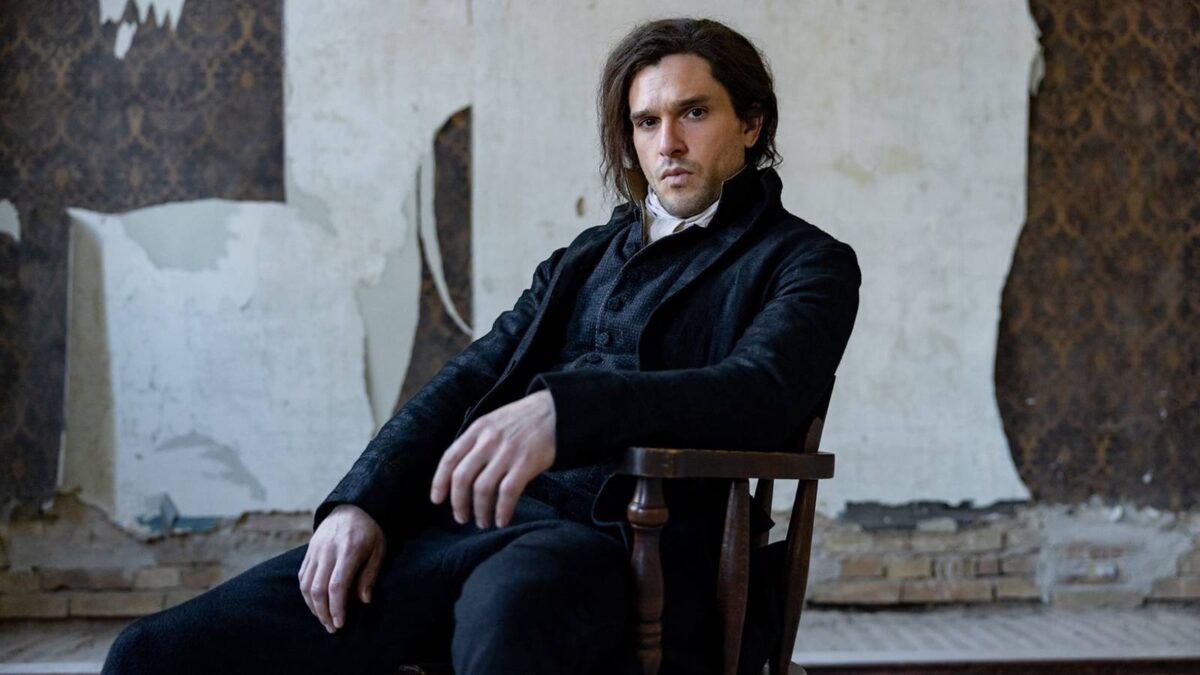
‘A Tale of Two Cities’ First Look Reveals Kit Harington in MGM+ Series
The BBC and MGM+ are teaming up with a new four-part limited series adaptation of Charles Dickens' classic 1859 novel A Tale of Two Cities. Game of Thrones veteran Kit Harington will play Sydney Carton, a cynical English lawyer who…
Mar 26, 2026
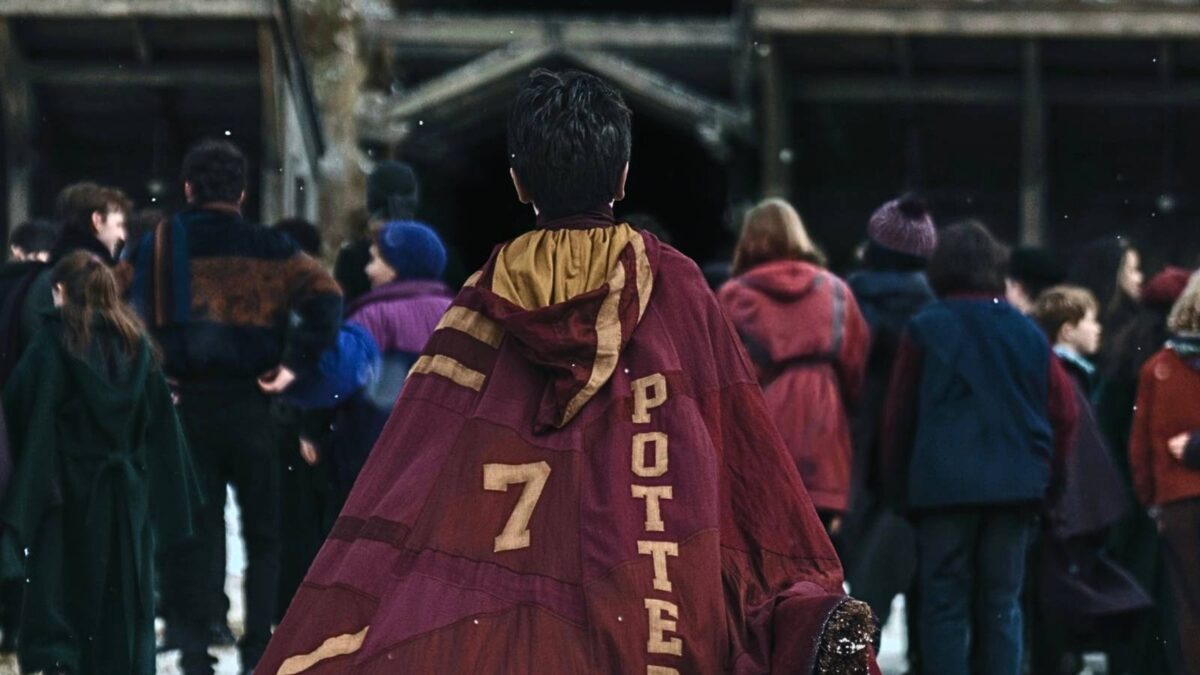
HBO ‘Harry Potter’ Series Image Reveals Dominic McLaughlin in Title Role
The first official look at HBO's upcoming reboot of Harry Potter has finally arrived, and it is already teasing a magical trailer release. As we inch closer to the show's expected 2027 release, the network has begun to reveal more…
Mar 25, 2026
‘Dutton Ranch’ Trailer Reveals ‘Yellowstone’ Sequel Release Date
Rip Wheeler and Beth Dutton gamble everything on a new life in South Texas in the first trailer for the Yellowstone spin-off, Dutton Ranch. The footage reveals all manner of gun fights, fist fights, explosions, galloping horses, and even mysterious…
Mar 24, 2026
Born Again’ Showrunners Detail How the Media Ties into Season 2
Marvel is fast approaching the release of Daredevil: Born Again Season 2, marking its second live-action Disney+ show of 2026. Bringing back Charlie Cox's Matt Murdock and Vincent D'Onofrio's Wilson Fisk, this season picks up where Season 1 left off,…
Mar 23, 2026