Wile E. Coyote Gets The Last Laugh In A Dynamite David & Goliath Takedown Of Corporate Greed
Sep 7, 2026
There will always be something deliciously ironic about “Coyote Vs. Acme,” a movie about a little guy taking on an all-powerful corporation that was itself nearly erased by an all-powerful corporation. Warner Bros. Discovery infamously shelved the completed film in 2023, intending to take a tax write-off, before Ketchup Entertainment eventually rescued it for theatrical release.
That history gives “Coyote Vs. Acme” an irresistible extra layer of meta-textual satisfaction. But none of it is necessary for the movie to work. Had Warner Bros. simply released it as planned, director Dave Green’s film would still be a terrific, enormously delightful piece of entertainment—funny, inventive, surprisingly moving, and much smarter about the rich history of Looney Tunes than anyone had reason to expect.
READ MORE: 88 Must-See Movies This Fall: ‘Dune: Part Three,’ ‘Digger,’ ‘Avengers: Doomsday,’ ‘The Adventures Of Cliff Booth’ & More
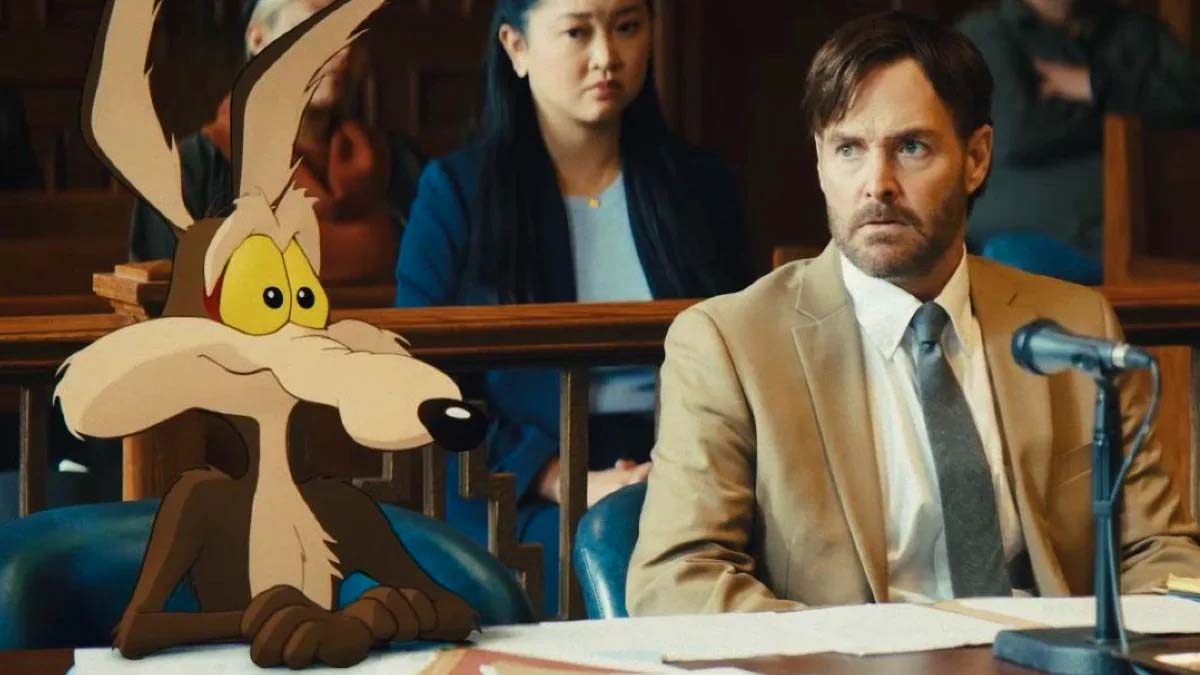
Inspired by Ian Frazier’s New Yorker satire, with a screenplay by Samy Burch (Todd Haynes’ “May December”) and a screen story credited to Burch, James Gunn, and Jeremy Slater, the premise is wonderfully simple yet layered: after decades of being blown up, catapulted, flattened, pulverized, and generally humiliated by defective ACME products in his obsessive pursuit of the Road Runner, Wile E. Coyote finally decides he has had enough. He travels to Albuquerque, New Mexico—a nice deep-cut Looney Tunes reference—and hires Kevin Avery (Will Forte), the kind of cheap billboard personal-injury lawyer promising quick settlements to anyone who thinks a faulty product has wronged them, and sues ACME.
Initially, Kevin sees Wile E. as just another easy payday. He’s lazy, cynical, selfish, and barely interested in the law beyond what it can earn him. But the deeper he gets into the case, the more a minor product-liability claim exposes something much uglier. ACME hasn’t simply been selling lousy products; its entire business model has been built around exploiting Toons, who can withstand dynamite blasts, falling anvils, backfiring rockets, and the kind of catastrophic failures that would ordinarily kill a human. It’s an extremely prescient and topical idea: a monopolistic, profit-obsessed conglomerate has figured out how to privatize the profits, externalize the harm, game the system, and avoid accountability. Sound familiar?
And there’s an especially insidious reason its products keep failing. ACME has effectively transformed the Toon population into an involuntary, consequence-free research-and-development department. Because Toon physics makes them virtually indestructible, ACME uses them as guinea pigs for dangerous, unfinished prototypes; it studies what goes awry, fixes the flaws, and sells perfected versions to human consumers for enormous profits. The Toons absorb all the pain and risk; ACME keeps all the money. It’s cartoon physics converted into corporate economics.
Suddenly, decades of Wile E. slapstick acquire a melancholy dimension: every botched scheme and spectacular wipeout wasn’t merely a gag but another data point generated by an unwitting test subject whose resilience meant, to ACME, that the harm it inflicted was inconsequential.
Wile E. is also a dope; the ultimate repeat customer, a maroon compulsively returning to the ACME catalog every time the latest purchase explodes in his face. He’s trapped in a consumption hamster wheel where product failure itself generates demand for the next product.
Beneath the Looney Tunes absurdity is a surprisingly pointed critique of corporate capitalism—of a system that finds ways to turn suffering, vulnerability, and even failure itself into profit. ACME’s human executives sit atop the economic hierarchy while Toons function as an exploitable underclass whose physical resilience becomes the justification for denying them basic protections. If you can’t technically kill them, the corporate reasoning goes, how badly can you really hurt them? Their suffering becomes invisible because the system has decided it doesn’t matter.
In that sense, “Coyote Vs. Acme” is an absurdist comedic cousin to David-vs.-Goliath corporate thrillers like “The Insider,” “Erin Brockovich,” “A Civil Action,” “Silkwood,” and “Dark Waters”—stories in which an ordinary person discovers that the wrongdoing in front of them is merely one piece of a much larger system designed to protect money and power. Green’s movie just substitutes poisoned water, tobacco companies, and industrial malfeasance with malfunctioning rocket skates and one spectacularly abused cartoon coyote.
That seriousness also makes its “Who Framed Roger Rabbit” DNA more than superficial: Kevin is another disreputable human who wants nothing to do with his cartoon companion, only to gradually develop empathy and rediscover a moral purpose he abandoned long ago.
Forte is excellent at making that transformation both funny and sincere. His exasperation also powers one of the movie’s best running jokes: while Kevin becomes increasingly committed to proving this enormous injustice—putting his tiny firm’s survival on the line—his client remains, fundamentally, Wile E. Coyote. One “meep-meep” and his primal instincts kick in. Kevin can be desperately trying to save the case while Wile E. is behind him, hilariously sabotaging it by devising some wildly elaborate new mechanism for murdering a bird.
John Cena, meanwhile, plays ACME’s slick corporate attorney, a wonderfully preening avatar of the belief that enough money and influence can make consequences somebody else’s problem. Lana Condor is wonderful in her low-key comedic supporting role, while Tone Bell, Luis Guzmán, Martha Kelly, and P.J. Byrne also provide laughs.
Its deep affection for Looney Tunes is precisely what gives the movie permission to be so irreverent with them. Foghorn Leghorn, that eternal bloviating windbag, becomes a corporate sellout and something of a cartoon Uncle Tom. The dimwitted Elmer Fudd fits naturally into compromised political power, while a deranged Daffy Duck carries the psychological scars of a lifetime of cartoon catastrophe. Bugs Bunny appears in wonderfully Bugs-like fashion, and Tweety’s apparent innocence becomes its own weapon.
Then there are genuinely deep cuts—Dr. Lorre as a key ACME scientist, Marc Anthony and Pussyfoot, the gruesomely incensed organ-grinder Gorilla, Gossamer, the red-haired monster who keeps getting a hairdo make-over, Playboy Penguin, Hubie and Bertie, Pete Puma, the mice that torment the Claude Cat, the pitifully unadoptable Charlie Dog, clever referential musical cues (the Rossini opera featured in “Long-Haired Hare”), and various fleeting pieces of Looney Tunes lore. These cameos aren’t applause breaks for recognizable IP; they’re texture. Green and his collaborators treat the Merrie Melodies as a culture with history and mythology, not a catalog waiting to be deployed as fan service.
Most importantly, “Coyote Vs. Acme” finds genuine pathos in Wile E. himself. He’s Sisyphus, forever pushing the boulder uphill only to watch it roll back down—but the darker joke is that ACME needs Sisyphus to keep pushing. His endless cycle of failure is part of the business model: sell him another defective product, harvest what goes wrong, and wait for him to return. His punishment is somebody else’s revenue stream.
That makes Wile E.’s perseverance both the tragedy and, eventually, the triumph of the character and the movie. ACME sees an infinitely renewable corporate resource; Kevin sees a creature who has endured every indignity imaginable and still refuses to quit. His defining characteristic isn’t failure; it’s peeling himself off the pavement and trying again—a never-give-up persistence the movie transforms into something unexpectedly heroic and poignant.
Without spoiling where Green takes that idea, the finale finds something remarkably tender in the relationship between Coyote and Road Runner. What has been a gag for generations becomes strangely empathetic and affecting.
And that’s where the Warner Bros. saga becomes both brutal and hilarious. There’s simply no accounting for poor taste—or, apparently, no taste at all. “Coyote Vs. Acme” probably wasn’t destined to become some enormous theatrical blockbuster. So what? It’s a very good movie—surely good enough for HBO Max, especially considering the dreck routinely dumped onto streaming services. And after seeing how catastrophically wrong Warner Bros. was about this one, maybe “Batgirl” deserves a second look too. Instead, Warner Bros. Discovery decided a completed film had greater financial value as something audiences couldn’t see.
The irony is almost obscenely on-the-nose, a meta-joke for which reality supplied the punchline. ACME regards Wile E. Coyote as an infinitely exploitable asset whose pain can be monetized; Warner Bros. Discovery looked at the work of hundreds of artists and craftspeople and similarly reduced it to a line on a balance sheet. For a movie this pointed about ruthless cost-cutting and corporate greed, it’s hard not to glance toward David Zaslav’s enormous compensation packages and marvel at who—and what—always seems expendable. In hindsight, shelving “Coyote Vs. Acme” looks far more damning to the creative judgment of the executives who buried it than to the filmmakers who made it.
Support independent movie journalism to keep it alive. Sign up for The Playlist Newsletter. All the content you want and, oh, right, it’s free.
The shelving saga doesn’t manufacture poignancy that wasn’t already there; it amplifies what the movie was always about. A corporation decided “Coyote Vs. Acme” was worth more as an accounting maneuver than as a movie, and the Coyote, appropriately enough, survived the anvil anyhow.
It’s a total blast. Wile E. Coyote finally gets his day in court; so does “Coyote Vs. Acme.” And both make one hell of a funny, charming, spirited case. [A-]
Publisher: Source link
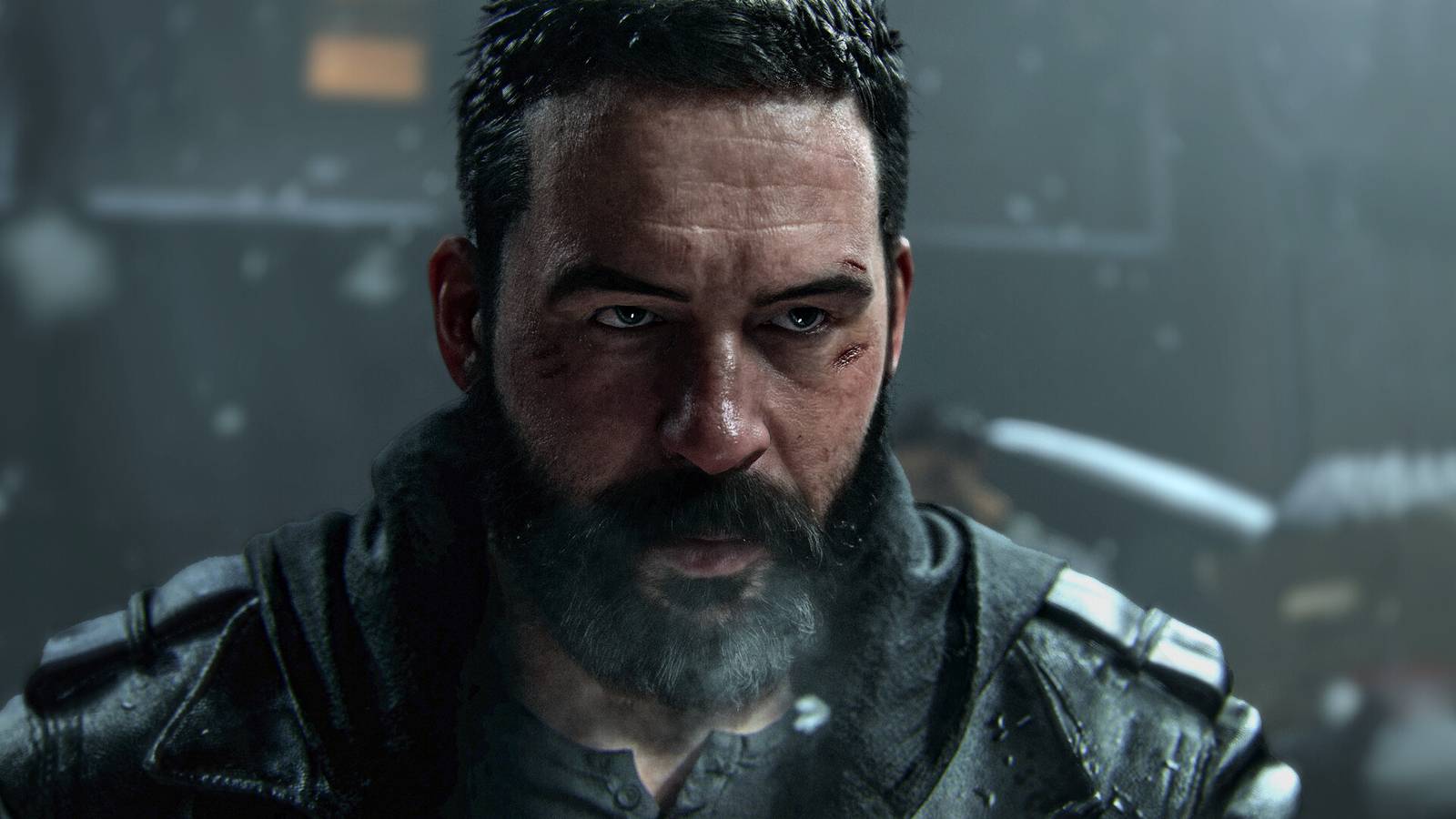


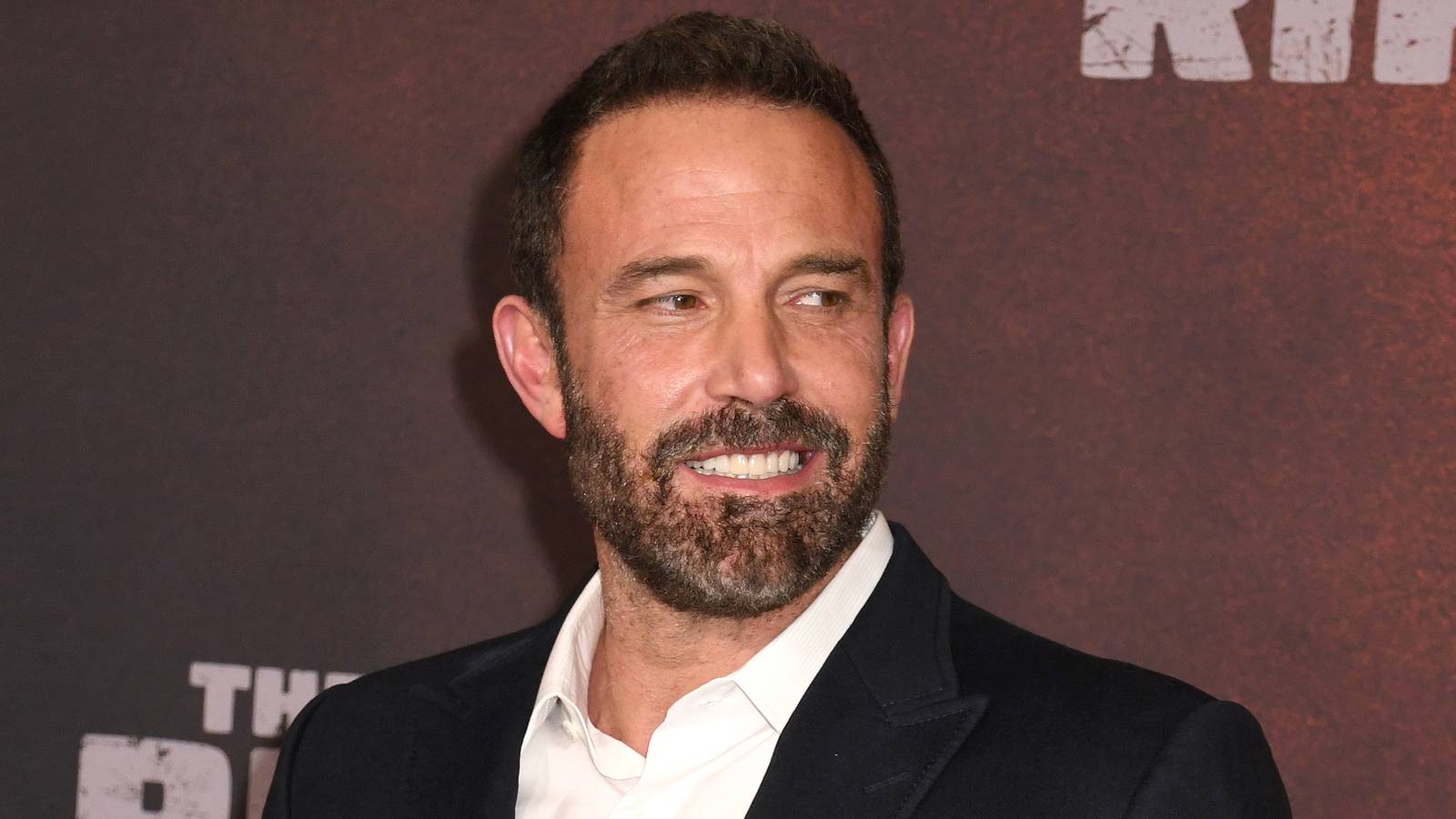





‘The Gentlemen’ Loses 2 Original Stars, Reunites ‘Lord of the Rings’ Icons in Big Season 3 Shake-Up
Guy Ritchie's signature blend of aristocratic elegance and gritty underworld chaos has officially solidified its place as a Netflix powerhouse. Originally launched as a television spin-off of his hit 2019 feature film, The Gentlemen captivated global audiences across its first…
Oct 24, 2026
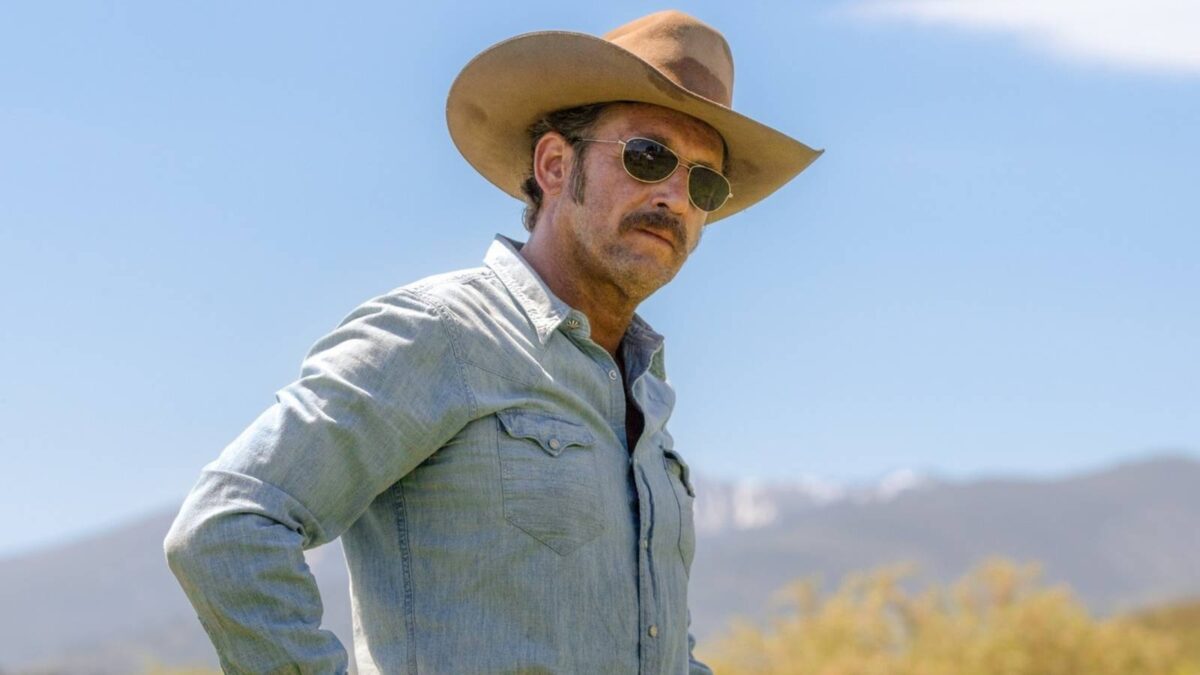
Taylor Sheridan’s ‘Yellowstone’ Sequel Hits Major Milestone Ahead of Streaming Return
The Yellowstone universe has grown so fast since the main series ended that it’s fair to wonder whether the franchise might be stretching itself a bit thin. That’s part of why Dutton Ranch came as something of a surprise. Beth…
Oct 23, 2026

Taylor Sheridan’s 5-Part Western Sensation Returns to Streaming as New Spin-Off Battles for #1 Spot
Taylor Sheridan's seminal five-season western is officially one of the biggest shows on streaming, once again, all while its latest spin-off fights for the #1 spot on the charts. Taylor Sheridan keeps going from success to success. After his hit…
Oct 22, 2026

5 Years Later, Spin-Off of Netflix’s Rescued Sci-Fi Hit Reaches a Major Milestone
Manifest is one of the few examples of a canceled television series finding new life on a streaming platform. After being canceled by NBC in 2021, Netflix added the supernatural drama to its extensive library, and it immediately shot to…
Oct 21, 2026