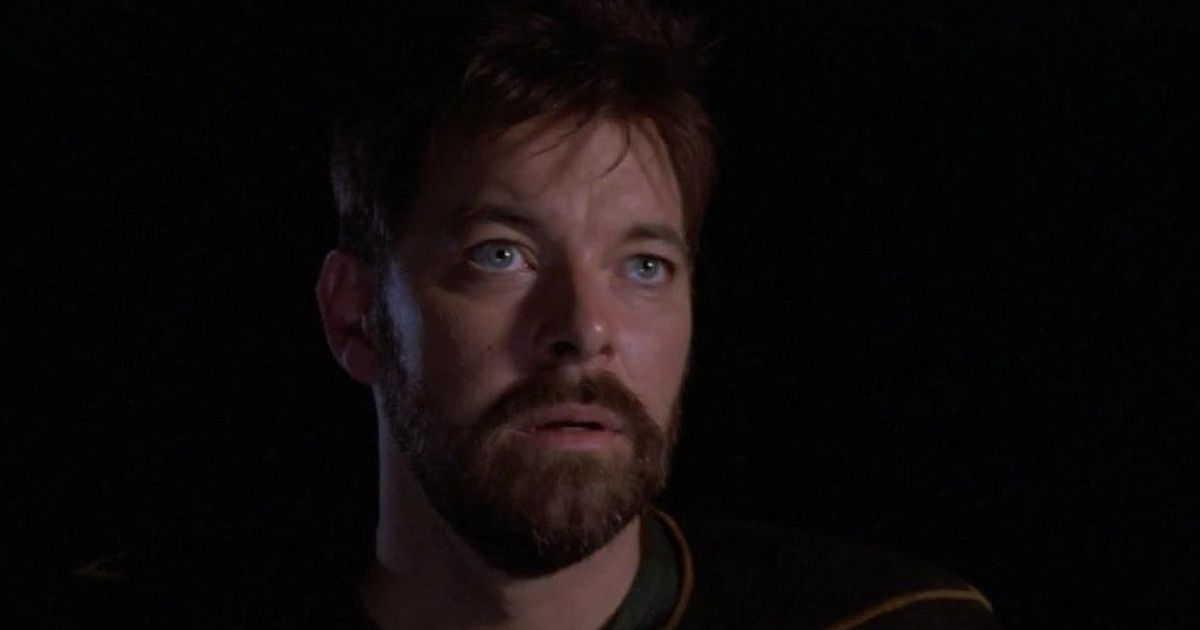
The Next Generation Before Watching the First Time
Jun 11, 2023
The original Star Trek series changed the course of science fiction storytelling forever when it debuted in 1966; not only did the series boldly usher in a cast of collectors like Captain James T. Kirk (played by William Shatner) and Commander Spock (Leonard Nimoy) that would become instantly iconic, but it established a format of storytelling within the sci-fi genre that would go on to influence generations of imitators, parodies, and analysis. Star Trek has one of the most developed fan bases of any fictional universe, and has inspired countless comics, books, video games, and role-playing adventures as part of a dense internal continuity that continues to this day.
MOVIEWEB VIDEO OF THE DAYSCROLL TO CONTINUE WITH CONTENT
While there are 13 Star Trek films, the franchise has always felt the most at home when it is on television. With all due respect to The Animated Series Deep Space Nine, Voyager, Enterprise, and the new era of Star Trek shows on Paramount+ including Discovery, Short Treks, Picard, Lower Decks, Prodigy, and Strange New Worlds, all Star Trek shows past the original were living under the shadow of The Next Generation. The adventures of Captain Jean-Luc Picard (Patrick Stewart) and his crew are essential viewing for all Star Trek fans; Empire Magazine ranked it as the 17th best television show ever, and Popular Mechanics ranked it as the third greatest sci-fi show of all-time. Before digging into the crown jewel of the Star Trek franchise, here are some important things to know.
It’s a More Ambitious Series
CBS
Star Trek: The Next Generation was much more deliberately political, socially conscious, and psychologically challenging series than its predecessor. The original series certainly made many strong steps forward in terms or representation, giving more fleshed-out roles to women, people of color, and those with different social views; it even featured television’s first ever interracial kiss.
While this was an admirable step forward given the constraints of the time, The Next Generation understood that it was just the beginning in terms of what the franchise could do with its representation. The series explored themes such as body image, gender fluidity, personal identity, consciousness, religious obligations, and the role of social customs; the show went deeper than simply asking “why can’t we all get along?” In particular, the Klingons’ aggressive culture and treatment of women causes conflict with some of the protocols that are essential to the Federation.
Related: Star Trek’s Jonathan Frakes Names His Favorite Acting Partner
There are a few mistakes, as the early episode “Code of Honor” featured characters who unfortunately were based on outdated stereotypes that were borderline racist; however, the series was able to move past those early errors in the later seasons, particularly as Guinan (played by Whoopi Goldberg) is able to explore some of the misconceptions about early American history. Guinan reveals that not all the nation’s heroes are as deserving of admiration as they are widely seen to be. The notion of whether the android Data (Brett Spiner) deserves to be treated equally addressed in the terrific episode “Measure of a Man,” where Riker defends the honor of his friend.
The Quality Is Uneven
CBS
While there are many quality episodes of Star Trek: The Next Generation, the series didn’t immediately become an overnight sensation. Many television shows struggle to take a grasp of their identity early on, and it would be unfair to judge shows like Buffy the Vampire Slayer, The X-Files, Breaking Bad, or Doctor Who on their lackluster first seasons. The first season of The Next Generation is nearly unwatchable; the characters lack the nuance they would gain later on and often feel incredibly cartoonish.
While Season 2 made some significant improvements and developed a more interesting relationship between Picard and Riker as the Captain’s “#1” begins to express interest in leading a crew of his own, the second season ended with the all-time disaster “Shades of Grey.” Ending the second season of a highly anticipated program with a literal clip special showed how drastically the show was failing to satisfy fans’ demands, and thankfully the version of The Next Generation that fans would grow to love began to develop in its game-changing third season. Season 3 featured more interesting storylines and even apologized for some of its past errors by including the episode “Yesterday’s Enterprise” as a more proper sendoff for the character of Tasha Yar. Denise Crosby was finally able to give a performance that reflected her talents as a performer.
Related: Wil Wheaton Explains Picard Season 3’s Wesley Crusher Mystery
With the “Best of Both Worlds” storyline in Seasons 3 and 4, Star Trek: The Next Generation began landing classic after classic in what became the show’s golden period. The Borg proved to be the most terrifying antagonists in the history of the entire Star Trek franchise, and they pushed Picard to both his physical and psychological limitations as he dealt with being their prisoner. Episodes like “The Inner Light” and “Darmok” showed why Stewart is one of the greatest actors of all-time, and several cast members from the original series such as Nimoy, DeForest Kelly, Mark Lenard, and James Doohan returned for satisfying continuations of their character arcs. While season 7 was a slight decline in quality compared to the excellence of seasons 3, 4, 5, and 6, the finale “All Good Things….” did a perfect job at sending each member of the crew out on the right note.
The Movies Don’t Live Up
Paramount Pictures
Star Trek fans like to debate how the films rank against each other, but most would agree that The Next Generation crew never got the film adaptations that they deserved. In fact, they had the opposite problem that the original series cast members had; since the original series was canceled after its third season, the films had room to explore all the adventures that the characters were denied from having during the series’ initial run. Comparatively, The Next Generation had already delivered so many classic episodes that it was hard for the films to feel like anything but redundancies.
Star Trek: Generations was an embarrassing, deceptive film that promised the union of the two Star Trek captains, but killed off Kirk in a lackluster way and completely changed Picard from the version of the character that fans had fallen in love with in the first place. While First Contact is actually a pretty excellent Star Trek film, Insurrection and Nemesis are nothing but mindless action movies.
Publisher: Source link





Paramount’s Action-Adventure Hit Blazes to Its Biggest Audience Ever With Over 10 Million Viewers
Fire Country premiered in October 2022, and four years later, the action drama remains a hit for CBS and Paramount+. The series’ fifth and latest season debuted on October 9, and within three days, it ranked as the seventh most…
Oct 26, 2026
Rebecca Ferguson’s Near-Perfect Sci-Fi Thriller Is Officially a 600-Day Streaming Smash Hit
While it was the Mission: Impossible franchise that put Rebecca Ferguson on everyone's radar, it was her appearance as Rose the Hat in Doctor Sleep that cemented her as a superstar. It led to movies like Dune, Netflix's A House…
Oct 25, 2026
‘The Gentlemen’ Loses 2 Original Stars, Reunites ‘Lord of the Rings’ Icons in Big Season 3 Shake-Up
Guy Ritchie's signature blend of aristocratic elegance and gritty underworld chaos has officially solidified its place as a Netflix powerhouse. Originally launched as a television spin-off of his hit 2019 feature film, The Gentlemen captivated global audiences across its first…
Oct 24, 2026
Taylor Sheridan’s ‘Yellowstone’ Sequel Hits Major Milestone Ahead of Streaming Return
The Yellowstone universe has grown so fast since the main series ended that it’s fair to wonder whether the franchise might be stretching itself a bit thin. That’s part of why Dutton Ranch came as something of a surprise. Beth…
Oct 23, 2026