Leaving The Factory Featured, Reviews Film Threat
Mar 22, 2024
The Industrial Revolution, a period of rapid change in the United States, was a time of innovation and unionization. In the midst of this, writer-director Alessia Crucitelli’s drama, Leaving The Factory, offers a unique interpretation of the Triangle Shirtwaist factory fire of 1911, presenting it through a contemporary lens.
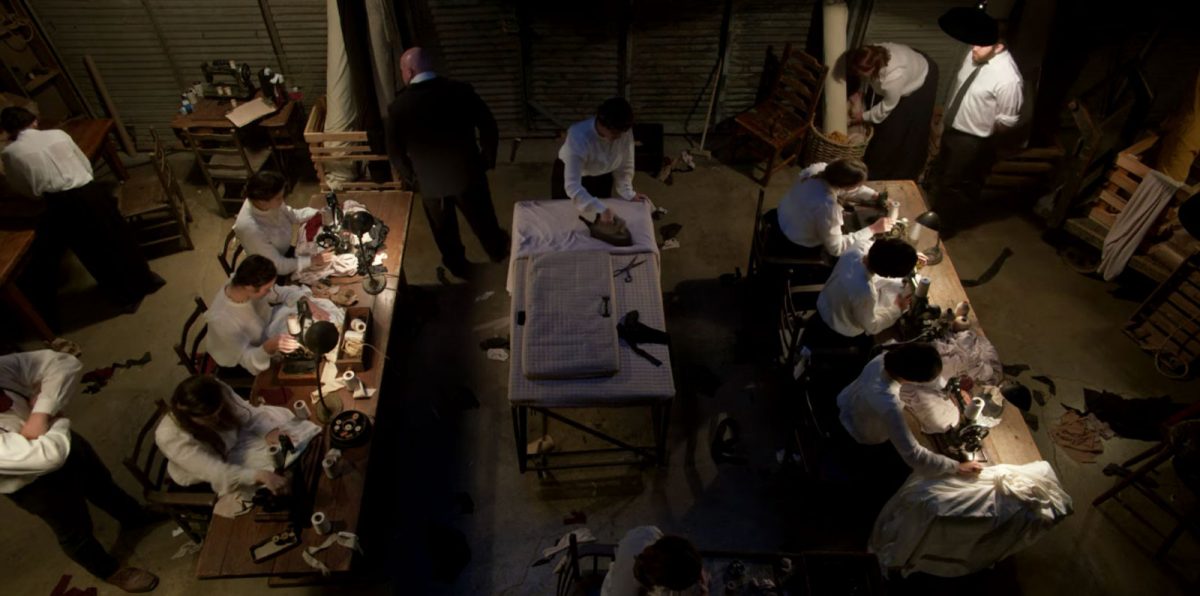
The film delves into the lives of Italian and Jewish immigrant women who toil for long hours in a shirtwaist factory. These women face numerous hardships, including verbal and physical abuse from their male superiors. Marina (Roberta Sparta), initially a silent observer, is thrust into action one night when she has to replace her exhausted co-worker. Beyond the factory, Marina’s personal life is a constant struggle as she cares for her injured husband and raises three sons.
Tension at the factory escalates the following day as Freida (Anne Bedian) starts a strike against her superiors. This leads the other women to respond with demands for better pay and work conditions. Marina is stuck in a tough spot. Should she fight for much-needed change at the factory or keep her head down in order to take care of her family? The relentless protesting eventually inspires Marina to negotiate with the boss. Will the owner of the shirtwaist factory honor these demands? Can these women make a powerful change?
“…[the women] demand better pay and work conditions.”
The best moments in Leaving the Factory are the scenes between Marina and her family. These moments feel the most honest, as major issues like assimilation are visualized in a compelling way. The other strongest point is the beautiful cinematography by Isabella Longi. The lighting style of the director of photography recalls Renaissance artwork.
Unfortunately, Crucitelli struggles to get strong performances from the actors. For example, when the women stand on their sewing tables and protest, it comes across as whiny rather than as a genuine concern for desperate, needed change. It would have been better if the filmmaker had focused on the personal lives of Marina and the other women to balance the heavy emphasis on the protest narrative.
While the subject matter is tragic and a key moment in American history, Leaving the Factory should have been more character-driven to make the audience relate to each woman on a personal level. But the lighting and cinematography make for a painterly-looking film. Plus, the few sequences at home have a lived-in quality that brings out the period setting excellently.
Publisher: Source link







‘It’s Always Sunny in Philadelphia’ Finally Returns in First Season 18 Trailer
For over two decades, FX has enjoyed massive success and delivered countless laughs behind the team that makes It's Always Sunny in Philadelphia, one of the highest-rated sitcoms of the modern era. After releasing 14 hit seasons in consecutive years…
Jul 30, 2026

Nathan Fillion Confirms Current Status of Long-Awaited ‘Firefly’ Reboot
We can only imagine what could have been for TV shows that were cancelled too soon, many after just one season. Shows get canned for multiple reasons, but primarily because of declining ratings, high production costs, and network programming shifts.…
Jul 29, 2026
Netflix’s Best 10-Part Gothic Thriller Officially Getting New Remake
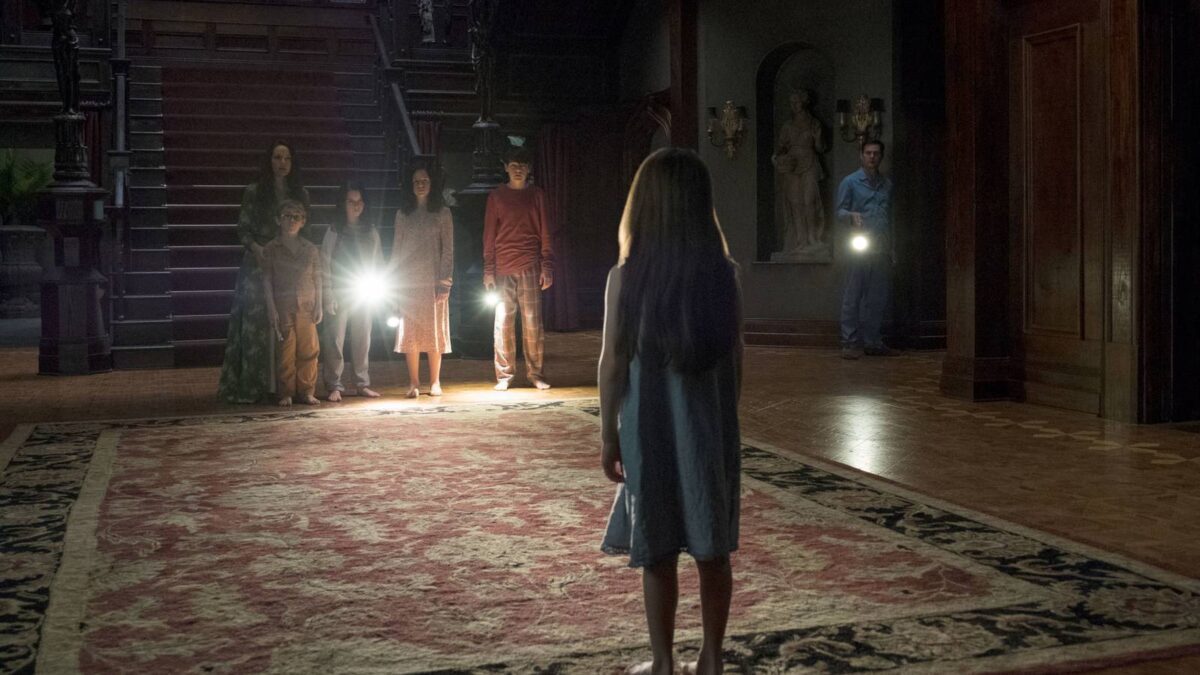
Netflix has been in the horror game virtually ever since the DVD rental service went all-in on streaming. Titles like House of Cards and Orange Is the New Black might have been the shows they used to highlight the platform's…
Jul 28, 2026

Netflix’s New 2-Part ‘Yellowstone’ Replacement Is One of the Biggest Shows on Streaming
Taylor Sheridan's Yellowstone helped to bring the western genre into the 21st century. Starring Kevin Costner as John Dutton, the series followed the Dutton clan as they ran a gigantic ranch and committed many, many crimes to protect it. The…
Jul 27, 2026