Arnaud Desplechin Pays Tribute To The Miracle Of Cinema On Enchantingly Personal Docufiction [Cannes]
May 23, 2024
Trite as it certainly sounds, the saccharine label of a “lover letter to cinema” applies all too precisely to French director Arnaud Desplechin’s enchanting docufiction effort “Filmlovers!” (“Spectateurs!”). But even with that obnoxiously overused denomination hanging over it, this multifaceted personal essay succeeds at rekindling or reaffirming one’s own relationship with the miracle of this young art form that we so often take for granted.
READ MORE: Cannes Film Festival 2022: The 22 Films Everyone Will Be Buzzing About
Mathieu Amalric narrates the collection of vignettes as Paul Dédalus, the fictional alter ego of the director whose life he’s lovingly examined over the decades in 1996’s “My Sex Life… or How I Got into an Argument” and then 2015’s “My Golden Years.” Here, Dédalus’ musings about why moving images projected on a screen for collective appreciation pierce our psyches so potently come in the form of both scripted sections (with other actors embodying Dédalus physically), as well as nonfiction interviews and pointed film clips. There’s no consistent pattern as to what will follow each part, making “Filmlovers!” unfold as if we are zapping through Dédalus’ mind as he makes connections between varied topics.
SIGN UP: Get the latest Reviews, Movie and TV News, and Interviews with The Playlist Daily Newsletter
Invoking the Lumière Brothers’ contributions and the famed incident when they first screened “The Arrival of a Train,” Dédalus makes the “humble” claim that Americans invented movies, but the French gave birth to cinema. In a later chapter, Desplechin stages an encounter between young students and a woman reading Stanley Cavell’s “The World Viewed.” The group considers how watching cinema feels like the act of remembering life itself. And as the woman brings in the ideas of film critic André Bazin, the conversation lands on the audiovisual medium’s mind-altering and life-enhancing attributes.
It’s then up to Dédalus (in Amalric’s voice) to succinctly verbalize that cinema’s power rests in how it gives our reality meaning. Through their depiction on screen, our emotions and experiences crystalize into significance. As academic as these mediations on film might seem, there’s something revelatory in hearing such a crisp explanation about what so strongly rouses the human heart. But Desplechin doesn’t dwell only in the abstract. He also pays homage to the physical spaces where such epiphanies take place: the movie theater. In a montage of talking-head chats, moviegoers of all ages and backgrounds share what their preferred seat is, the movies that made them cry, and the effect films have had on them.
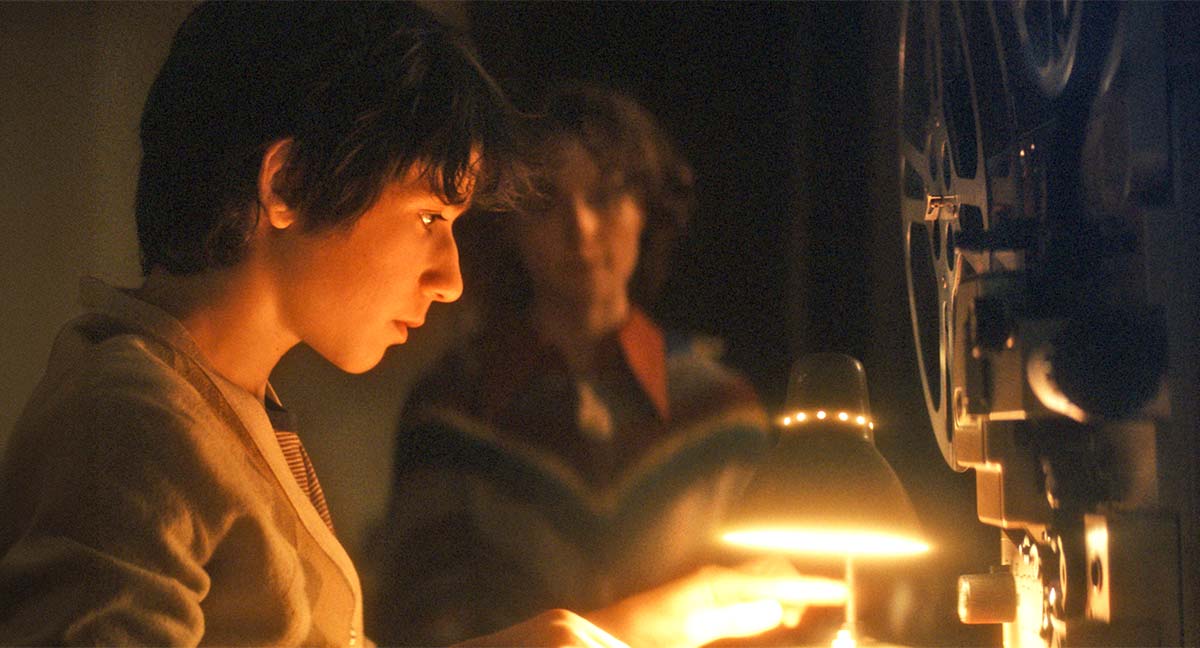
The fictionalized segments on Dédalus, which vary in their level of insightfulness, include the great Françoise Lebrun, who returns to this universe as his grandmother: the person who first took him to the movie theater and an accomplice to his curiosity to watch material considered too scary for his age group. That precocious inclination to see what he’s not supposed to leads Dédalus to lie about his age in order to buy a ticket to Ingmar Bergman’s “Cries and Whispers,” in a scene where Milo Machado-Graner, the breakout star from “Anatomy of a Fall,” plays the burgeoning cinephile during his adolescent years.
A few years later, watching Francis Ford Coppola’s “Peggy Sue Got Married” for the third time—once to discover it, a second one to admire it, and the third one to learn from it— Dédalus becomes entangled in a love triangle with two girls he’s interested in. The sequence calls to mind Desplechin’s other tales about the character but feels out of place here because the section on romance lacks impact. Still, those segments of Dédalus at the movie theater exhibit great attention to detail in their production design: posters on windows reflect other notable titles of the time. There to watch “Cries and Whispers,” an affiche for Sydney Lumet’s “Serpico” appears in the background, and after rewatching the Coppola, another poster advertising David Cronenberg’s “The Fly” can be discerned.
Desplechin’s unexpected digressions often result in welcomed thematic enclaves, which appear slightly detached from the overall scope but address necessary questions. A notable one engages with the depiction of Native Americans in Hollywood and doubles as a eulogy for the late actress Misty Upham, whose role in 2008’s “Frozen River” monetarily put her in the spotlight. Equally as fascinating is a chapter on “Shoah,” Claude Lanzmann’s monumental achievement about the Holocaust, that features a meeting in New York with film critic and filmmaker Kent Jones to discuss the notion of a film bearing witness to history, and in this case not only preserving it but substituting the images that were never documented or that vanished.
The scattered-brained selection of topics manifests the idiosyncratic shades of one person’s adoration for cinema rather than a didactic retelling of its history. Not one to shy away from sincerity, Desplechinbrings his beloved Paul Dédalus full circle in a satisfying project about the grandeur of the force that unifies the fictional character with the real man. [B+]
Find complete coverage of the 2024 Cannes Film Festival, including previews, reviews, interviews, and more on The Playlist.
Publisher: Source link







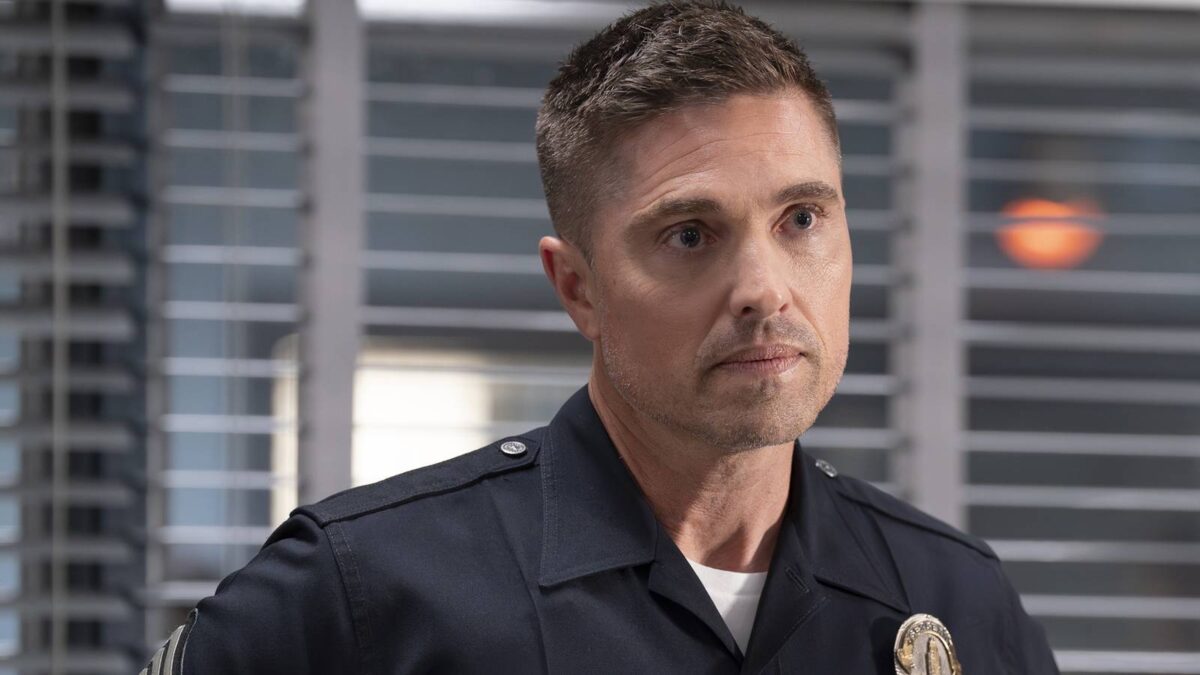
‘The Rookie’ Already Filmed a Series Finale To Prepare For Its Cancellation
The Rookie is one of the most popular procedurals ABC has aired over the past eight years. It was unsurprising that after ABC's highly popular series Castle ended in 2016, the network wanted to continue its working relationship with the…
Jul 31, 2026
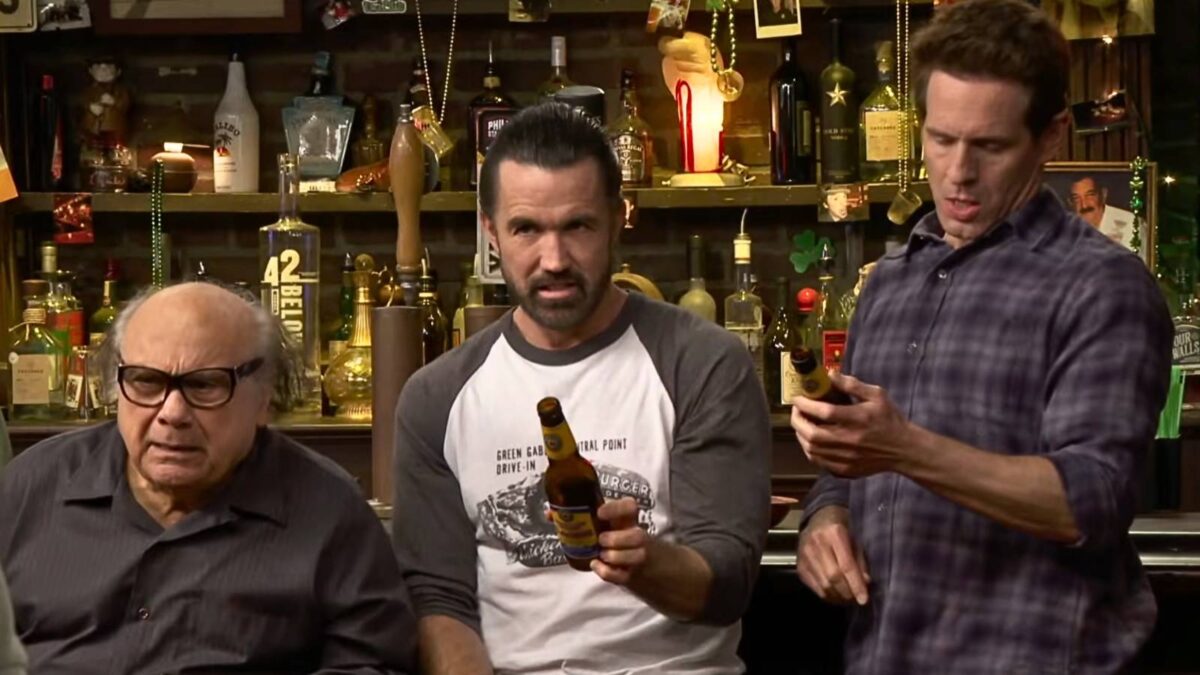
‘It’s Always Sunny in Philadelphia’ Finally Returns in First Season 18 Trailer
For over two decades, FX has enjoyed massive success and delivered countless laughs behind the team that makes It's Always Sunny in Philadelphia, one of the highest-rated sitcoms of the modern era. After releasing 14 hit seasons in consecutive years…
Jul 30, 2026
Nathan Fillion Confirms Current Status of Long-Awaited ‘Firefly’ Reboot
We can only imagine what could have been for TV shows that were cancelled too soon, many after just one season. Shows get canned for multiple reasons, but primarily because of declining ratings, high production costs, and network programming shifts.…
Jul 29, 2026
Netflix’s Best 10-Part Gothic Thriller Officially Getting New Remake
Netflix has been in the horror game virtually ever since the DVD rental service went all-in on streaming. Titles like House of Cards and Orange Is the New Black might have been the shows they used to highlight the platform's…
Jul 28, 2026