War and Justice Featured, Reviews Film Threat
May 27, 2024
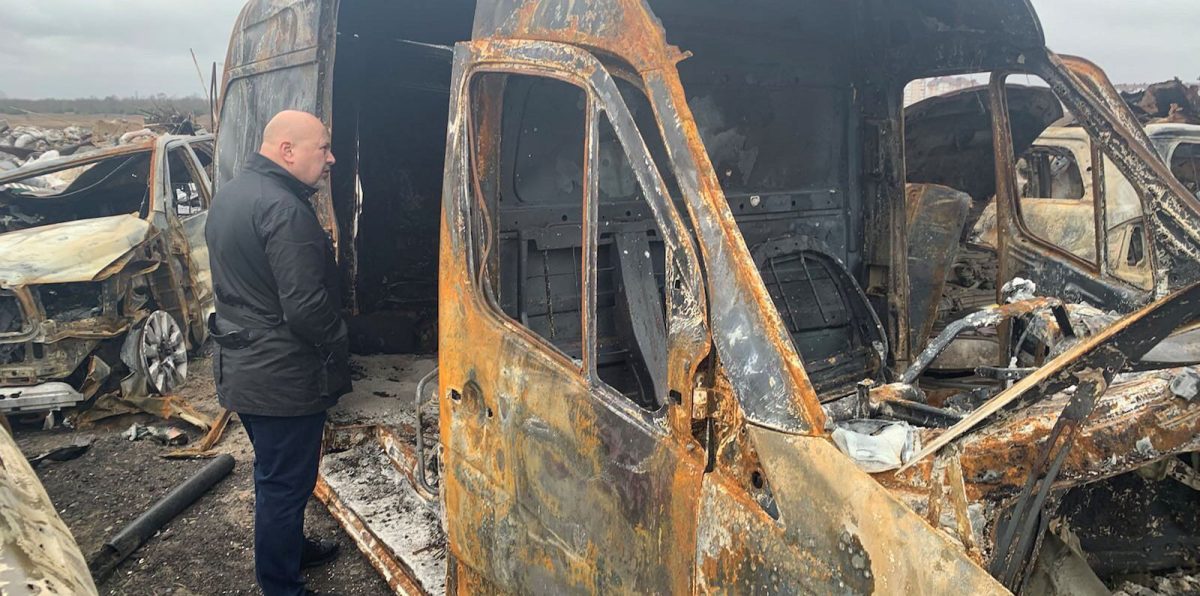
As of the writing of this review, there is an arrest warrant for Russian President Vladimir Putin for the invasion of the country of Ukraine by the International Criminal Court (ICC). There is also an active investigation of war crimes committed by Israeli Prime Minister Benjamin Netanyahu for the alleged genocide of Palestinians in Gaza. This all begs the question: who is the ICC, and what kind of authority do they have to prosecute world leaders? In his documentary War and Justice, filmmakers Marcus Vetter and Michele Gentile follows the work of the ICC in its mission to end the world’s conflicts through justice and not war.
War and Justice follows two important figures in the ICC. The first is Ben Ferencz, the youngest chief prosecutor at the Nuremberg Trials, who spent his life molding and shaping the work of the ICC into what the organization and system are today. The ICC is essentially the criminal justice end of the United Nations.
There are essentially two types of crimes that the ICC prosecutes. The first is one country showing aggression against another, e.g., Russia and Ukraine. The other is conflict within a country, usually one political party warring with another. The ICC’s jurisdiction only extends to countries that have signed the ICC treaty. To this point, the United States, Russia, and China have not signed the treaty. Until recently, the ICC could only prosecute crimes only if both countries involved were members of the ICC. The rules have now changed where. Only one country needs to be a member, like Ukraine, or a U.N.-recognized state, like Palestine.
Documentarian follows cinéma vérité-style, current ICC prosecutor Argentine lawyer Luis Moreno-Ocampo, the ICC’s first chief prosecutor and his team. As shown in the documentary, his work includes the prosecution of Thomas Lubanga Dyilo from the Democratic Republic of Congo, who conscripted children as soldiers for his cause. With the one victory under their belt, the ICC was able to prosecute other members of Dyilo’s faction.
“…who is the ICC, and what kind of authority do they have to prosecute world leaders?”
In all honesty, I have some personal reservations regarding the ICC, particularly the idea of prosecuting world leaders while they are in office. I generally agree that war is terrible, and in principle, yes, the conflict between and within nations should be resolved peacefully. But that’s not reality.
After watching War and Justice, I have a better and more precise understanding of the work of the ICC. Agree or disagree, the educational value alone is what makes War and Justice worth watching. Mostly because it answers questions that I have and poses new questions.
One huge question it answers surrounds the ICC’s jurisdiction and its effectiveness in prosecuting crimes. Most of the film revolves around how Ocampo is handcuffed because he can’t begin an investigation against countries not part of the ICC. During a meeting with the Palestinians, Ocampo could do nothing because Israel was not part of the ICC, and Palestine is not a recognized state by the U.N….until now.
The other question that speaks directly to the legitimacy of the ICC is why smaller countries should subject themselves to the authority of the ICC when the big countries, the U.S., Russia, and China, do not. The example given is former President George W. Bush and his invasion of Iraq, where millions perished.
Because War and Justice follows the key players around, asking them off-the-cuff questions along the way, Ocampo and his team’s responses sound authentic versus a prepared talking-head interview you’d normally expect in a film like this. The film’s authenticity is what reigns because we’re getting the truth…whether you agree with it or not.
My life has always been about questioning everything and trying to see beyond politics. War and Justice is one of those documentaries where, whether you agree or disagree with an issue, you now have a more informed opinion about the subject, even if it’s about global politics.
Publisher: Source link




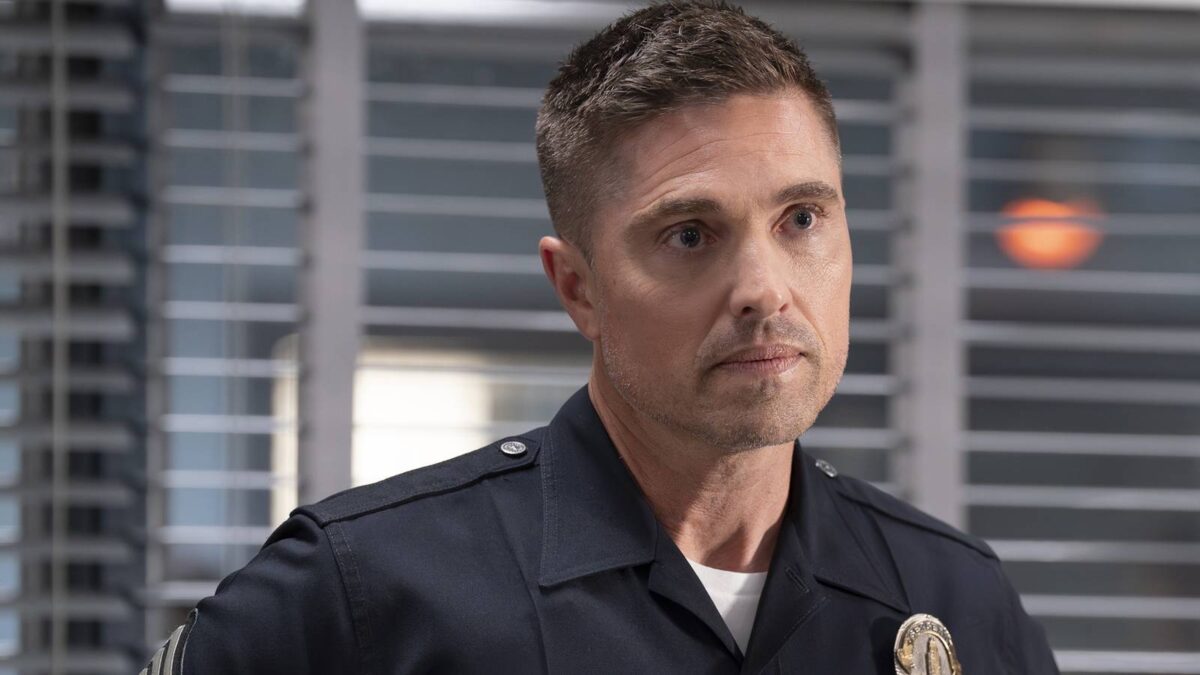
‘The Rookie’ Already Filmed a Series Finale To Prepare For Its Cancellation
The Rookie is one of the most popular procedurals ABC has aired over the past eight years. It was unsurprising that after ABC's highly popular series Castle ended in 2016, the network wanted to continue its working relationship with the…
Jul 31, 2026
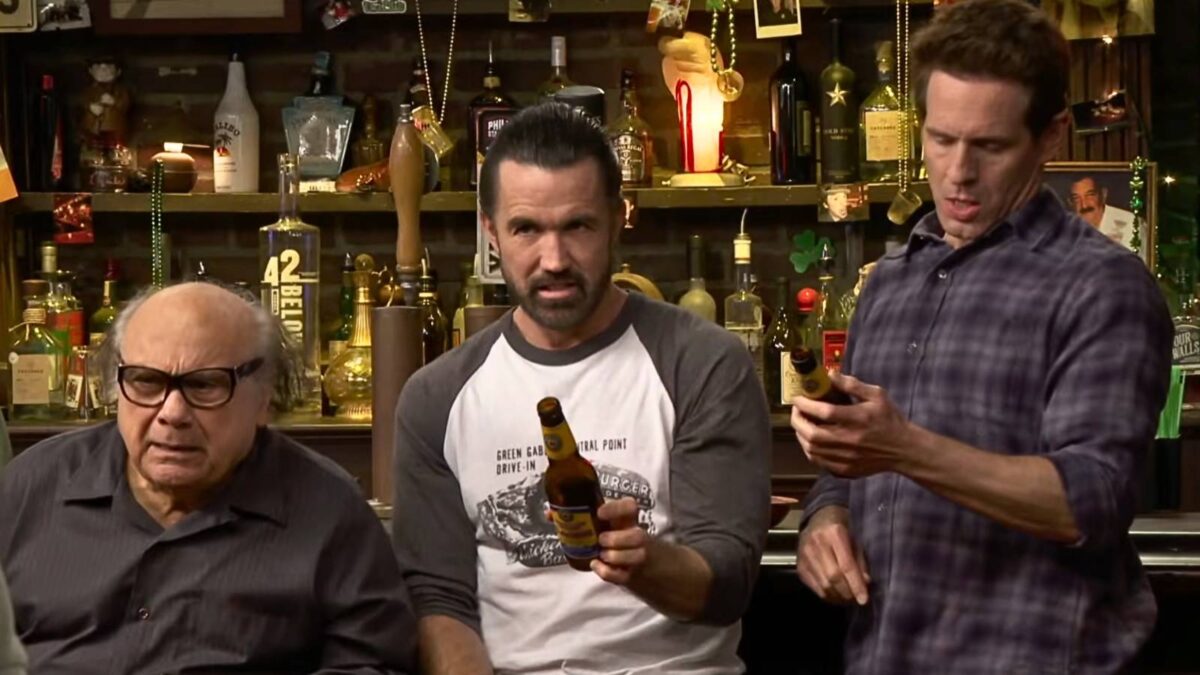
‘It’s Always Sunny in Philadelphia’ Finally Returns in First Season 18 Trailer
For over two decades, FX has enjoyed massive success and delivered countless laughs behind the team that makes It's Always Sunny in Philadelphia, one of the highest-rated sitcoms of the modern era. After releasing 14 hit seasons in consecutive years…
Jul 30, 2026
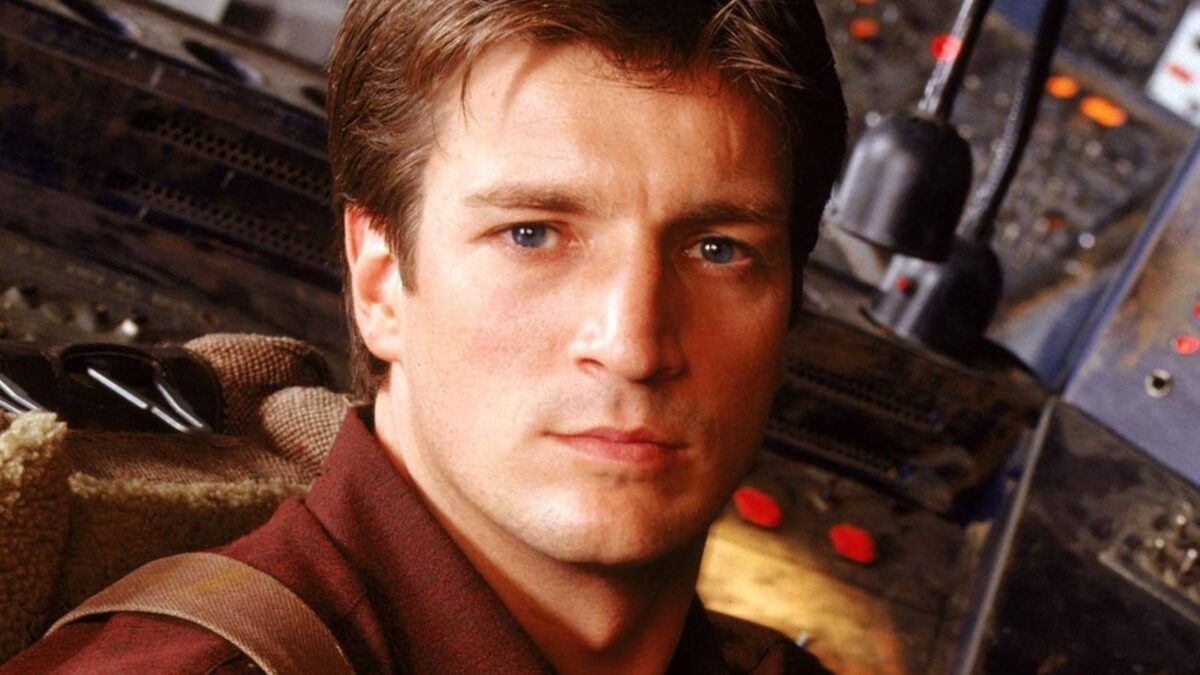
Nathan Fillion Confirms Current Status of Long-Awaited ‘Firefly’ Reboot
We can only imagine what could have been for TV shows that were cancelled too soon, many after just one season. Shows get canned for multiple reasons, but primarily because of declining ratings, high production costs, and network programming shifts.…
Jul 29, 2026
Netflix’s Best 10-Part Gothic Thriller Officially Getting New Remake
Netflix has been in the horror game virtually ever since the DVD rental service went all-in on streaming. Titles like House of Cards and Orange Is the New Black might have been the shows they used to highlight the platform's…
Jul 28, 2026