
This Is What Rendezvous Capital Does for Indie Filmmaking and Why You Should Care
Feb 1, 2025
Summary
Collider’s Steve Weintraub sits down with Rendezvous Media Capital’s Michael Perrone and Slater Wayne at the Sundance Film Festival 2025.
Rendezvous Capital focuses on supporting independent films that lack funding, emphasizing storytelling over big names or budgets.
In this conversation, Perrone and Wayne discuss how Rendezvous Media is working on horror films, biopics, documentaries, and thrillers, seeking artists to create enduring and meaningful movies, as well as how they’re embrace a 360 model, shifting focus to TV while maintaining a strong interest in film.
As the 2025 film festival season kicks off at Sundance, Collider has a home base right in the middle of the action. With the need for a comfortable clubhouse to welcome the world’s largest stars promoting their hotly anticipated pictures, Collider’s media studio sits center to the screenings and celebrations at the Rendezvous Cinema Center. Collider is able to enjoy a beautiful facility thanks to our friends at Rendezvous Capital and their heads of media, Michael Perrone and Slater Wayne.
Deeply in love with cinema and the filmmaking process, Perrone and Wayne are ushering in a new-age production with Rendezvous Capital. With horror films, biopics, documentaries, and thrillers on their slate, the two are looking for the brightest new artists to bust through the walls of the art form, creating meaningful and memorable movies that will both make their investors money and—most importantly—endure the tests of time.
At the festival this year, Collider’s Steve Weintraub had the pleasure of sitting down with Perrone and Wayne in order to pick their minds about all things related to Rendezvous Capital, including their 360 plan to launch unknown filmmakers into the stratosphere of the independent cinema world, what they look for in potential film projects, and why they chose to sponsor our Collider Studio here at this year’s legendary Sundance Film Festival out of Park City, Utah.
Who Is Rendezvous Capital?
“Our whole idea came from being filmmakers.”
Image by Photagonist
COLLIDER: I’m here at our Sundance studio, which is sponsored by Rendezvous Capital. A huge thank you to you guys for allowing us to champion indie cinema and everything to do with Sundance. People watching will have no idea who Rendezvous Capital is. What do you want to tell people about the company?
MICHAEL PERRONE: We’re an alternative investment vehicle that actually is here to support the indie films that really don’t have a shot. We are mostly focused on story. We aren’t looking for name talent. We aren’t looking for high budgets. We aren’t looking for anything but the opportunity for filmmakers to actually see their projects through. Our whole idea came from being filmmakers. At some point, we had so much trouble finding money, and I think everybody does. It’s funny when we do get projects how some of these projects with big-name talent, big directors, big producers are still looking for money.
It’s a tough industry when your odds of making your money back aren’t that great. What we’re trying to do is trying to improve that. We’re trying to do creative financing. We utilize something that filmmakers need to be utilizing, which is called “tax code 181.” If you don’t know about it, please do your research on it. Your investors will be very happy.
SLATER WAYNE: And to be clear, too, if you are a big-name talent and looking for money, you can reach out to us.
PERRONE: Absolutely. [Laughs] Our cap space per project is anywhere from $3-5 million. We wanted to build out a hedge fund style that allows the best probability for us to be successful. If one film is successful, it could pay for the whole slate. So that’s kind of our model. It started in finishing funds, but now we’re really more interested in everything—development, pre-production. If you’re on set, give us a call, send us your dailies, and we might be interested.
“If you want to make an impression, let’s come to Sundance.”
How did you end up coming to sponsor us?
PERRONE: This is the perfect time to shoutout the best publicist in the entire world, David Manning.
WAYNE: Thank you, David.
Did you debate it?
WAYNE: You’re right. Being the new kids on the block, we met David, and we had this discussion of, “Should we get a track record first?” And David’s like, “Listen, if you want a presence out there…” And just like Michael said, everybody is looking for money, no matter what your project really is, in some way, shape or form. He’s like, “If you want to make an impression, let’s come to Sundance, and let’s show people that you’re actually really trying to support indie film.” That’s why we did this.
How does it work with interest rates now being so high? Does that play a factor or not at all?
PERRONE: Not really. It’s not necessarily a factor. What’s a big factor is the tax incentives all over the world, and they’re constantly changing. I was informed earlier about the Canary Islands, which is an amazing opportunity with a 50% tax incentive. We’ve been discussing over the past 48 hours about building a whole hub out there, building a whole studio infrastructure.
That obviously sounds great when the tax incentive is 50%, but unfortunately—and I’ve seen firsthand—sometimes people rebel, and they’re like, “We don’t see the benefit. We’re going to go down to 20% or 10%.”
PERRONE: It’s usually involving the politics of that place. But that’s why you can shoot your movie anywhere. It’s movie magic, right? At some point, you can just continue to move around and find where the best tax incentive is. Also, you’re waging whether it’s smart to fly all these people out to this island. Is it going to cost more money? Is it worth it? It’s a game of numbers at the end of the day.
What are you guys currently working on that you want to tease people, or is everything under an NDA?
WAYNE: I don’t think we can be very project-specific, but in our first film fund, we have two horror films, a thriller, we have a sports biopic in there, and a couple of docs, as well.
Are you at the point where you’re getting a ton of scripts, and you’re now really debating what’s the best thing, and how much do people have to have a package when they’re coming to you? Like, “We have this star, or these stars,” and does that help you get to the top of the pile?
PERRONE: Listen, we are inundated with scripts. There’s no shortage of it. Frankly, I think that people should be focusing on scriptwriting more than ever right now. It’s really hard to make a good movie with a bad script. If you have a great script, it’s almost on the adverse; it’s hard to make that into a bad movie if you know what you’re doing. At some point, what we ask for is a final draft of that script, we ask for a top-of-the-line budget, and we also want to see some pitch materials, a deck, something that’s going to give us an idea of the theme of the movie, but also the style of the emotion we’re going to feel from this film. We want to make memorable pieces work. We want to make movies that are also rewatchable where you’re in the mood to see that movie again. A lot of films are digested one time and then never seen again—that’s how films aren’t going to make any money, by the way.
WAYNE: We’ve also learned this from our own experience, going out there into the world and asking people for money for our own films, and knew exactly what was needed here, what was needed here—the script and pitch materials, what’s your path forward, what’s your ideal for distribution? Whatever you can put in front of us to actually be taken seriously. We’ve learned that lesson and that’s kind of what we’re trying to do now.
“Come to the film industry.”
Image by Photagonist
Kiss of the Spider Woman was in yesterday. Bill Condon directed, and he made the film with Artists Equity with Matt Damon and Ben Affleck. They have a different model where everyone’s working for scale, and there’s a return on investment if it’s successful. How much have you guys looked at that? How much is that something that you do?
PERRONE: That would be the filmmaker’s decision. In a way, we are the middlemen between our network of investors. Again, we’re not a public offering. We’re an SEC-regulated company that deals with accredited investors, our network of family and friends that we have brought to the table to finance these films. The film itself will give us their financing plan, and that’s part of our decision, as well. If someone came to me with that financing plan, I think that would be fantastic. I think that sounds like a great project to invest in.
It’s interesting. Correct me if I’m completely wrong, but a lot of times I’ve spoken to people, and a lot of times, people have told me how wealthy people like to invest in movies because if it doesn’t do well, it’s a tax write-off and if it does do well, they’re making money.
PERRONE: Of course.
Is this information wrong?
WAYNE: You’re right on.
PERRONE: I don’t think there is a better industry for a wealthy person to invest in if they’re making too much money. If their taxes are ridiculous, I would say, “Come to the film industry,” for sure. It’s the best way to use your dead money.
People don’t realize this. I’ve heard this crazy story, and I’m not going to say what film and what person…
WAYNE: No, tell us, please. [Laughs]
I will not, but someone was explaining to me that a movie was made because someone was like, “This movie cannot make money under any circumstances, but we’re making this movie.” And I’m like, “What are you talking about? This makes no sense.” They explained to me the tax thing, and they’re like, “This has to lose money,” and I was like, what?
PERRONE: [Laughs] Actually, most importantly, we are a finance company, but we believe in film. We’re a cinema company. We have other divisions. Rendezvous Capital Holdings has about nine different divisions that make money all over nine different industries. So, we can afford losses in the film industry if it means supporting a really incredible film. Certain films out there that you might love haven’t made their money back, but we still revere them as some of the greatest films of all time. Gaspar Noé is a guy who is one of my favorite directors of all time, and most people haven’t seen all of his films. But when you see them, they will never leave your mind. That’s the type of stuff we’re looking for.
Related
From ‘I Stand Alone’ to ‘Vortex’: Every Gaspar Noé Movie Ranked, According to IMDb
“This is going to make you freak.”
Rendezvous Capital Is Here To Make Big Swings
“We’re just going to go for the gusto.”
Image by Photagonist
I know some people at agencies that sell movies after festival acquisitions. Recently, it has been hard with big stars at Toronto or Sundance, and the movies didn’t sell. People heard about them. They exist. Not sold. How much does that factor in, and how much does that make you nervous that there are films with movie stars that are not getting out there?
WAYNE: We’re not unaware of how dicey the film business can be in general. You may be hot one day and not the next day, and these trends are literally created in thin air, and they change week to week. We’re very aware of all that stuff. That’s why we stick to story.
PERRONE: I don’t think we got into this industry to be conservative. If you’re going to be an artist, you better take big swings. I don’t think it goes hand in hand to be an artist and to be conservative. So we’re here for whatever happens. It’s life. We’re just going to go for the gusto.
It’s funny you say that you’re making some horror movies because right now, it does seem like the genre is incredibly popular, and it’s the easiest way to return on investment.
PERRONE: It’s been 10 years of it. We’ve been watching it and tracking it. Personally, horror films scare the shit out of me.
WAYNE: He doesn’t like them very much. I make him watch them
PERRONE: I don’t. I hide in my room while he watches them. But I think horror films are great, too. They give you two different types of thrill rides. You’re watching a storyline and also, “When am I going to be scared?” That emotional roller coaster is great, and that genre is doing very well.
WAYNE: Also, the thing with horror movies, too, is they are putting the truth of the human sensibility out there onto the front of whatever the monster is. It’s owning up to who we really are as people. I’ve been saying the thing about horror films for years and years now. So, we are definitely in the horror game.
PERRONE: Absolutely.
One of the things that premiered here is the Helen Harper TV show. They filmed all eight episodes and the show is for sale here, and it has big stars in it. It’s a completely crazy thing because someone can just pick up a whole TV show. How much are you guys looking at TV? Is that part of the model?
PERRONE: A lot. We have a 360 model that’s currently in place, but it’s in place in terms of the thought. We haven’t executed it just yet. We are in the business of talking to a couple of distribution companies to acquire. We also are in the position to acquire a marketing company. We want to basically have our hands in every facet of the industry. That’s the safest way to ensure you’re getting your investments back. Movies are making money; they just have so many people to pay. When you have a big pie, and everybody gets this little piece, it doesn’t feel like the movie did very well. So, if we have more than one piece of the pie, we’ll make more money. That’s why we have this 360 model in place.
WAYNE: It started, always, with film. We’re definitely interested in TV, but I think with how films are working, the way we are structuring the rollout of things, we get involved in productions that haven’t started pre-pro yet, something that’s in production, somebody needs finishing funds, and with a TV show, you’re looking at sometimes 8–10 hours of footage. Then it’s like, is there a second season? Does the second season fall off? Primarily, right now, though, we are mostly interested in film.
“We’ll take everything under consideration.”
Image by Photagonist
If someone out there watching this has a project that they feel very strongly about, especially someone living in the middle of nowhere who has no Hollywood connections, how do they actually contact you?
PERRONE: Call us directly. [Phone number redacted] I will answer. I will answer any call, any day. We are humble people. We are not saying no to anybody. We’ll take everything under consideration.
WAYNE: So, yes, phone numbers, we have an Instagram.
PERRONE: How did you know that wasn’t my ex-girlfriend’s number?
WAYNE: It wasn’t. I know your phone number. Also, our website is currently under construction right now, which will be out very, very soon.
I was going to say the website’s probably important.
PERRONE: Absolutely. Luckily, we are filmmakers. I made my first feature when I was 19 years old. It was called Evol. It was starring Ethan Slater, Andi Matichak, and Katrina Lenk. All of those stars were just actors coming into auditions at that point. At some point, I think that being a filmmaker and then coming to the other side, more as a stockbroker/finance guy, is a very interesting place. But I really do want to say that we’re really here for our investors just as much as our filmmakers. We don’t want to take away from the art.
Listen, I welcome anyone entering this industry who is going to champion art and help more movies get made because it’s my favorite thing in the world. I’m grateful, sincerely, that you guys partnered up with us here at Sundance. I really, really wish you guys nothing but the best, and again, thank you.
PERRONE: We’re not going anywhere, so we’ll see you next year.
WAYNE: Absolutely. Thank you.
Special thanks to our 2025 partners at Sundance including presenting partner Rendezvous Capital and supporting partners Sommsation, The Wine Company, Hendrick’s Gin, neaū water, and Roxstar Entertainment.
Publisher: Source link






One of CBS’ Longest-Running & Highest Rated TV Shows Is Coming To End After 30 Years
Along with countless scripted dramas, comedies, and action shows, CBS is well known for its impressive run of unscripted programs over the last 50 years. More recent years have included major competition shows like Survivor and The Amazing Race, along…
Sep 17, 2026
Prime Video Officially Launches New Deal That Changes the Streaming Game Forever
It seems like streamers raise their prices every day. At the end of August, Apple TV raised the subscription service price by $2, bringing it to $14.99 a month. Netflix, Disney+, HBO Max, Paramount+, and Peacock have all raised prices…
Sep 16, 2026
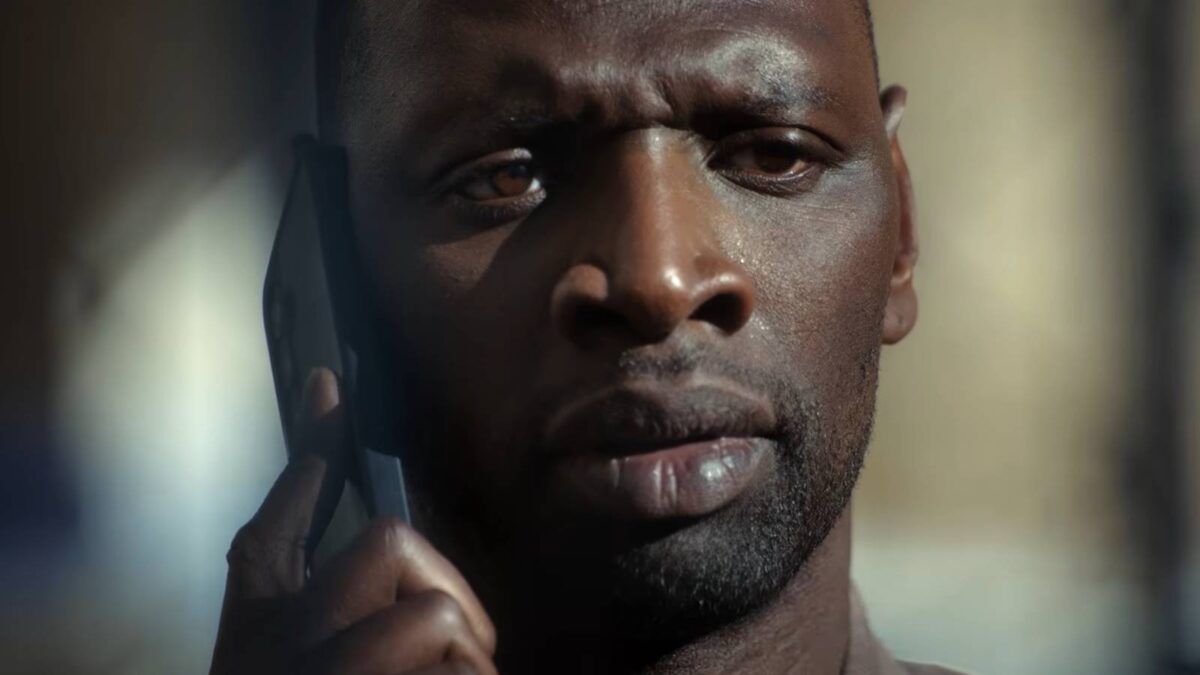
Netflix’s 10/10 Thriller Series Returns After 3 Year Absence With Explosive New Trailer
Over the last five years, Netflix has expanded heavily into non-English content, with international series taking an even bigger focus for the streaming giant. One of the biggest driving forces in that effort is the French thriller series Lupin, led…
Sep 15, 2026
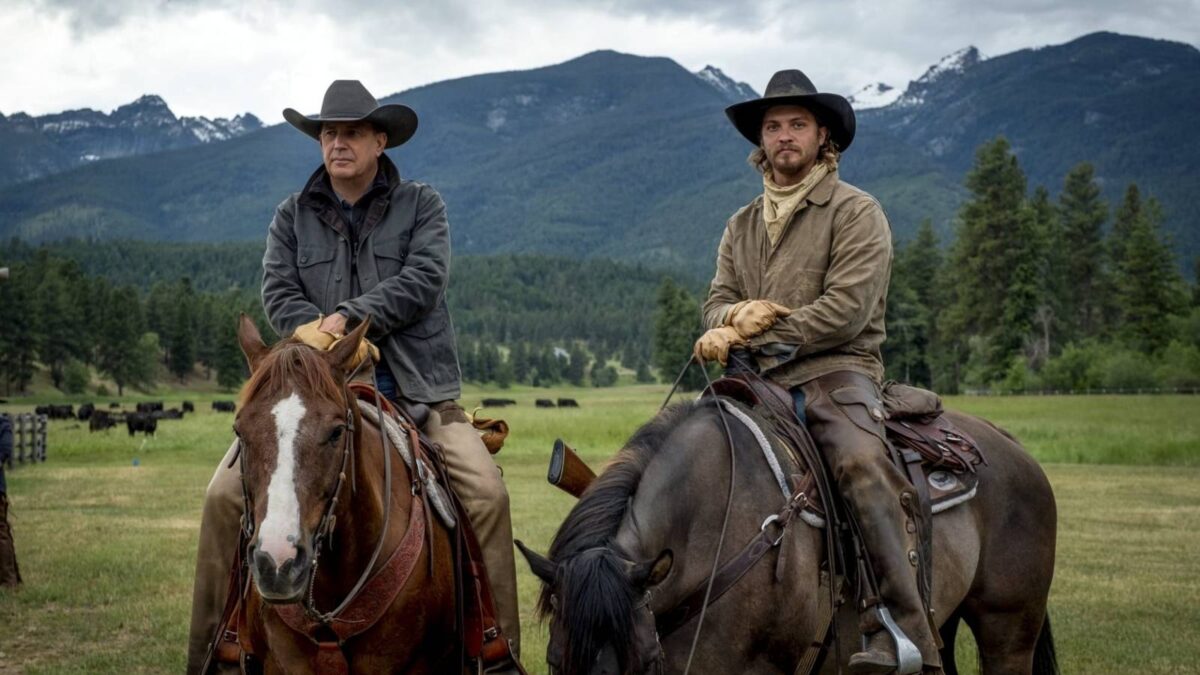
Original ‘Yellowstone’ Dutton Favorite Officially Confirms ‘Marshals’ Return Interest
Yellowstone jump-started a generation-spanning story that has so far spawned four spin-offs that are all interconnected by the Dutton bloodline. While creator Taylor Sheridan has since branched outside that saga with Tulsa King, Landman, Mayor of Kingstown, The Madison, and…
Sep 14, 2026