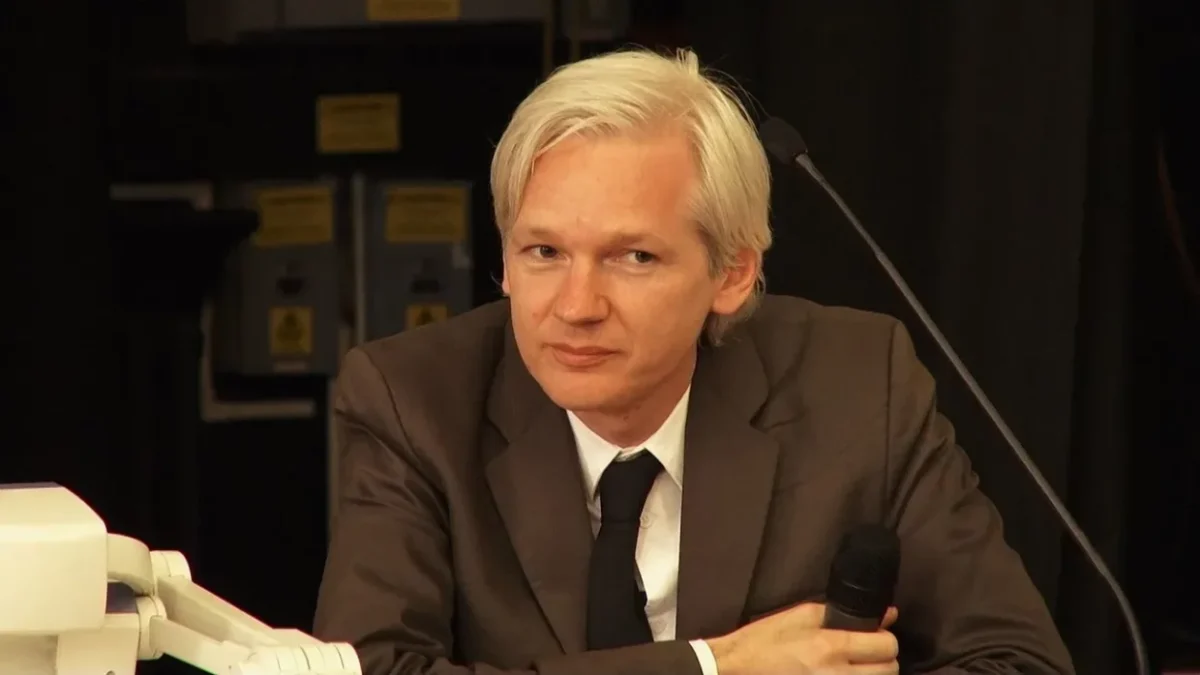
Eugene Jarecki on Assange Doc “The Six Billion Dollar Man.”Filmmaker Magazine
Dec 7, 2025
Eugene Jarecki’s The Six Billion Dollar Man, much like its main character Julian Assange, is a doc destined to spark controversy. Jam-packed with gripping never before seen footage (much of it captured by Ecuadorian embassy CCTV) and an eclectic roster of interviewees (from Edward Snowden to Pamela Anderson), the film offers a sort of vertigo-inducing alternative history of the WikiLeaks founder and his tabloid-sensationalized troubles; and in doing so asks us to reconsider the media narrative that’s long been built by unseen hands around him. For how much of what we know about the information freedom fighter is actually “true,” and how much a manipulation by covert forces willing to go to any, even illegal, lengths to protect unsavory secrets? In other words, The Six Billion Dollar Man uses the story of an eccentric public enemy number one to expose an even more consequential and seemingly unaccountable protagonist — our own US government.
A few days before the December 5th theatrical release of the Cannes-premiering film (which won both the L’Œil d’or Jury Prize and the Golden Globe Prize for Documentary), Filmmaker caught up with the acclaimed veteran director (Why We Fight, The House I Live In, The Trials of Henry Kissinger) to learn all about attempting to craft “the definitive telling of this saga.”
Filmmaker: So how did this film originate and how long were you working on it? I know you interviewed Assange over a decade ago while he was still in the Ecuadorian Embassy.
Jarecki: We started making the film five years ago. That’s when we came into possession of absolutely shattering evidence of crimes committed by US officials against Mr. Assange in its efforts to stop the WikiLeaks founder and his organization from continuing to publish embarrassing revelations about America, including evidence of US war crimes.
Filmmaker: The film includes a wide variety of characters and interviewees, from Snowden, to the seemingly sociopathic “Siggi the hacker,” to Pamela Anderson and the woman from the organization Women Against Rape. But were there other folks you reached out to that declined to participate or ended up on the cutting room floor? I actually would have preferred to hear directly from the two women behind the complicated saga that led to Assange being accused of rape in Sweden.
Jarecki: We wanted to make the definitive telling of this saga, featuring everyone who played a firsthand role in it. The events took place over 15 years in over 20 countries, so this is what makes it the kind of multi-character international spy thriller I think it turned out to be.
As you know, the two women in Sweden do appear in the film, though we obscure their faces out of respect for their privacy. We felt it was very important that they be able to tell their own side of the story.
There were people we wished to interview who declined to testify. I got the sense that they were comfortable to have damaged Mr. Assange and WikiLeaks behind the scenes, but less comfortable speaking on camera about what they had done.
Filmmaker: What were some of the biggest hurdles you faced while making the film, and how did you overcome them? Were they logistical? Did you fear government surveillance or backlash?
Jarecki: Security. My team had to relocate to Berlin because it was too dangerous to make the film in America. We were in possession of evidence and material that could have been seized by US or UK authorities had we been working in those countries.
We also had to airgap our entire editing room and all of our material so that we avoided the risk of any digital infiltration. Efforts were made, which we recorded, but thankfully no breach was ultimately damaging. Though the law offices of members of Julian’s international legal team were burglarized, on camera, which is now part of an illegal espionage trial in the Spanish courts.
Filmmaker: I actually interviewed your brother Andrew and his co-director Charlotte Kaufman about The Alabama Solution back in October. It struck me that both of your films ask fundamental questions about the law, justice and incarceration — perhaps unsurprisingly given your longstanding shared interests. Do the two of you compare notes throughout your respective productions?
Jarecki: My brother and I share a passion for justice, and yes, we do help each other in various ways on our projects.
I admire his work greatly. I think we both see the promise of America too often obscured by the darker machinations of the system, and when we see this darkness we want to shed light on it. As Martin Luther King said: “Darkness cannot drive out darkness. Only light can do that.”
Filmmaker: The film wasn’t able to premiere at Sundance due to “unexpected developments,” which makes me curious to hear how the cut changed and ultimately became this final version.
Jarecki: Julian’s release from prison and return to his native Australia was a game-changer. We were working as fast as we could to incorporate this development and all its implications into the film.
But some of these matters involve ongoing litigation and real safety and security concerns for living people. We started to see that we would not be able to meet our own standards for ethical filmmaking in the rush to make it to Sundance. So I quite sadly had to pull out of the festival that has historically been a real haven for me. By the time Cannes happened four months later, we’d had the time to ensure that all security and legal measures had been taken.
Publisher: Source link


Prime Video Officially Launches New Deal That Changes the Streaming Game Forever
It seems like streamers raise their prices every day. At the end of August, Apple TV raised the subscription service price by $2, bringing it to $14.99 a month. Netflix, Disney+, HBO Max, Paramount+, and Peacock have all raised prices…
Sep 16, 2026
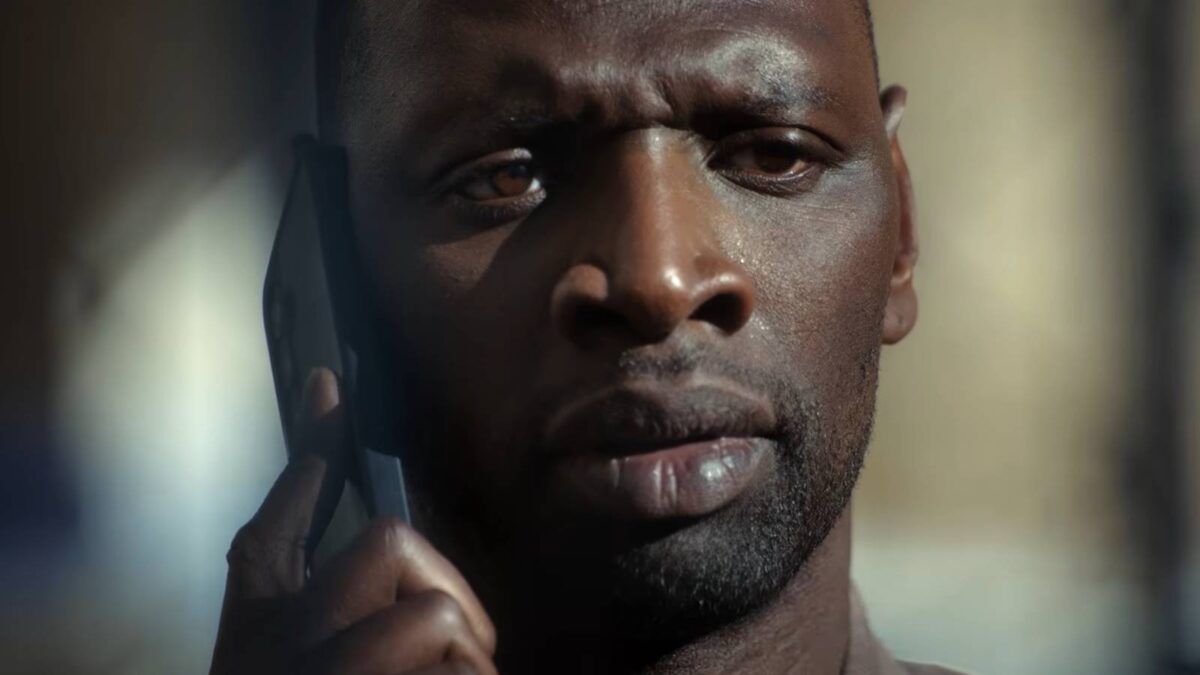
Netflix’s 10/10 Thriller Series Returns After 3 Year Absence With Explosive New Trailer
Over the last five years, Netflix has expanded heavily into non-English content, with international series taking an even bigger focus for the streaming giant. One of the biggest driving forces in that effort is the French thriller series Lupin, led…
Sep 15, 2026
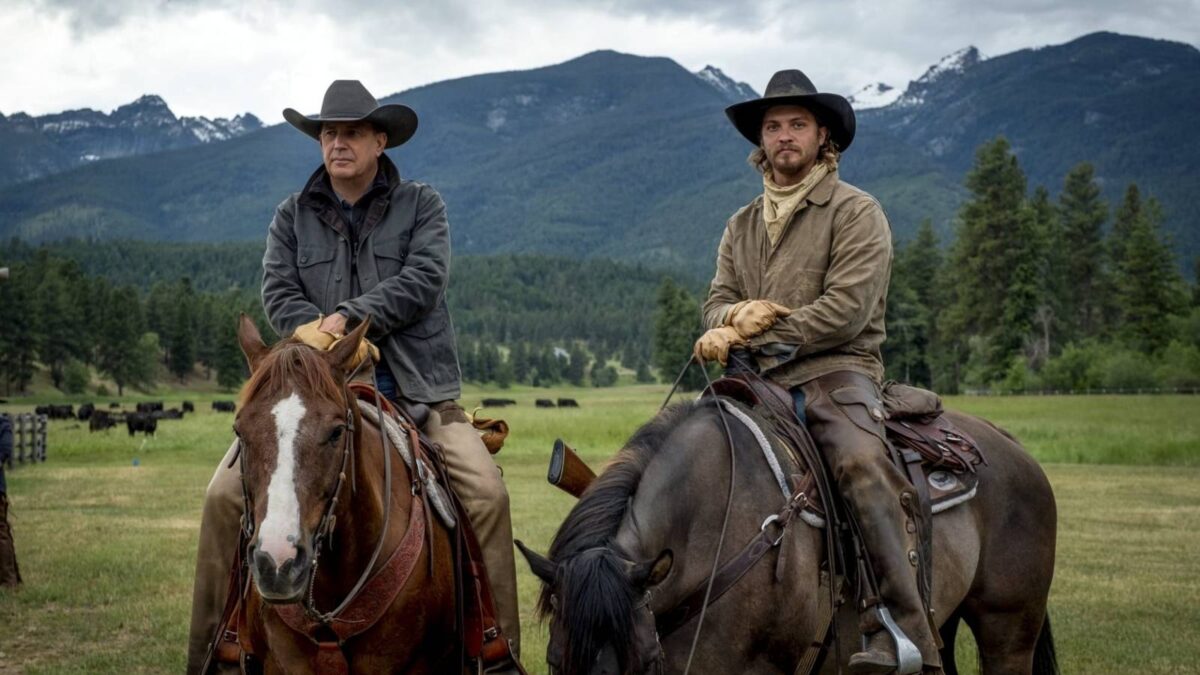
Original ‘Yellowstone’ Dutton Favorite Officially Confirms ‘Marshals’ Return Interest
Yellowstone jump-started a generation-spanning story that has so far spawned four spin-offs that are all interconnected by the Dutton bloodline. While creator Taylor Sheridan has since branched outside that saga with Tulsa King, Landman, Mayor of Kingstown, The Madison, and…
Sep 14, 2026
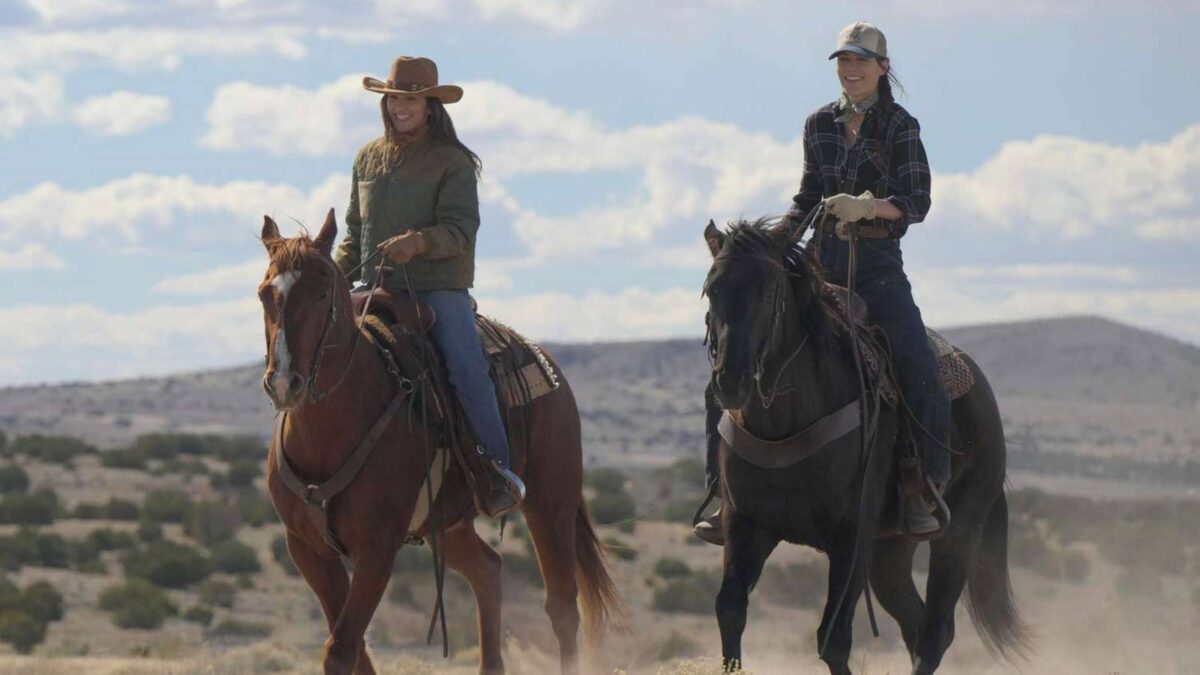
Netflix Officially Cancels Its 2-Part Taylor Sheridan Replacement Western
Netflix Published Sep 12, 2026, 10:30 AM EDT Omar is an experienced editor and writer who sees life and storytelling as one and the same — there’s always a story to tell. He’s helped shape features, headlines, and coverage across movies,…
Sep 13, 2026