“A Collaboration of Kindred Expression”: Editor Mark Bukdahl on Twice Colonized
Feb 3, 2023
Twice Colonized, courtesy of Sundance Institute
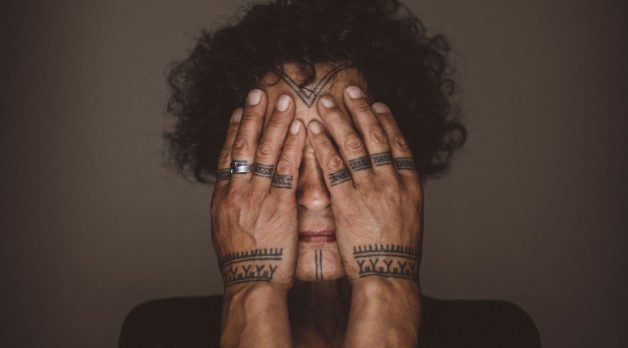
Greenlandic Inuit activist and lawyer Aaju Peter is the subject of Twice Colonized, a documentary by filmmaker Lin Alluna. Through her work, she forces colonizing forces Denmark and Canada to pay for their crimes, while also inspiring Westerners to grapple with the ways that they are also complicit in imperialist injustices. As she’s preparing for an Indigenous forum at the EU, however, her youngest son suddenly dies, bringing forth an extended period of intense grief and an eventual path toward healing.
Editor Mark Bukdahl talks about cutting the film, including his non-cinematic inspirations and how “editing is an exercise in empathy.”
See all responses to our annual Sundance editor interviews here.
Filmmaker: How and why did you wind up being the editor of your film? What were the factors and attributes that led to your being hired for this job?
Bukdahl: Director Lin Alluna and I know each other from our time at the National Film School of Denmark, working together on several productions and forming a collaboration of kindred expression.
Filmmaker: In terms of advancing your film from its earliest assembly to your final cut, what were goals as an editor? What elements of the film did you want to enhance, or preserve, or tease out or totally reshape?
Bukdahl: There are great documentaries that deal with similar themes as Twice Colonized—activism, inequality and colonization, and it’s important that these stories are told widely. But as a film editor my focus was mainly on the emotional story arc of Aaju, one that is both deeply rooted in the effects of colonization and in the universal catalog of human struggle.
Filmmaker: How did you achieve these goals? What types of editing techniques, or processes, or feedback screenings allowed this work to occur?
Bukdahl: While Aaju’s tremendous emotional generosity allowed me to emphasize her inner journey, the film has, due to the nature of the story and the practicalities of her work, many scenes with people talking about politics in offices around the globe. Instead of ignoring them or deeming them too complex, I wanted to present these encounters and the many important voices as the very essence of what Aaju does: the hard work of promoting the rights of Indigenous People while dealing with the trauma of her own past and present, moving freely and bravely, never stopping.
Filmmaker: As an editor, how did you come up in the business, and what influences have affected your work?
Bukdahl: I mainly draw inspiration from people I met working outside the film industry: Kirsten from the assembly line, Rune from the telemarketing office and Mike from the nightclub.
Filmmaker: What editing system did you use, and why?
Bukdahl: Film editing is an exercise in empathy, gut-feeling and structure and any software can help you with that.
Filmmaker: What was the most difficult scene to cut and why? And how did you do it?
Bukdahl: In Twice Colonized, part of the film centers on the tragic passing of Aaju’s youngest son.
My work consists mainly of diving deep into people’s psyche, balancing opposite poles—upholding ethics and molding subjective truth—and hopefully land somewhere in-between complete honesty and humble respect for the character. By allowing us to portray this extremely private time in her life, Aaju shines a light on the critical loss of young people in especially Inuit communities. As she says in the film, this is a crisis and it cannot continue to be neglected.
Filmmaker: Finally, now that the process is over, what new meanings has the film taken on for you? What did you discover in the footage that you might not have seen initially, and how does your final understanding of the film differ from the understanding that you began with?
Bukdahl: From seeing and internalizing the very first to last footage, when making big structural shifts, when adding and deleting storylines, there’s a natural and ever changing perception of the film—but its heart remains the same.
Publisher: Source link





![Born Again’ Stars Explain Why Bullseye Is So Dangerous in Season 2 [Exclusive]](https://www.filmibee.com/wp-content/uploads/2026/03/Born-Again-Stars-Explain-Why-Bullseye-Is-So-Dangerous-in-1200x675.jpg)
Born Again’ Stars Explain Why Bullseye Is So Dangerous in Season 2 [Exclusive]
Along with Charlie Cox's Matt Murdock and Vincent D'Ofnorio's Wilson Fisk, Daredevil: Born Again Season 1 brought back one of The Man Without Fear's most notorious villains: Wilson Bethel's Benjamin Poindexter, better known as Bullseye. Not only was he back…
Mar 19, 2026
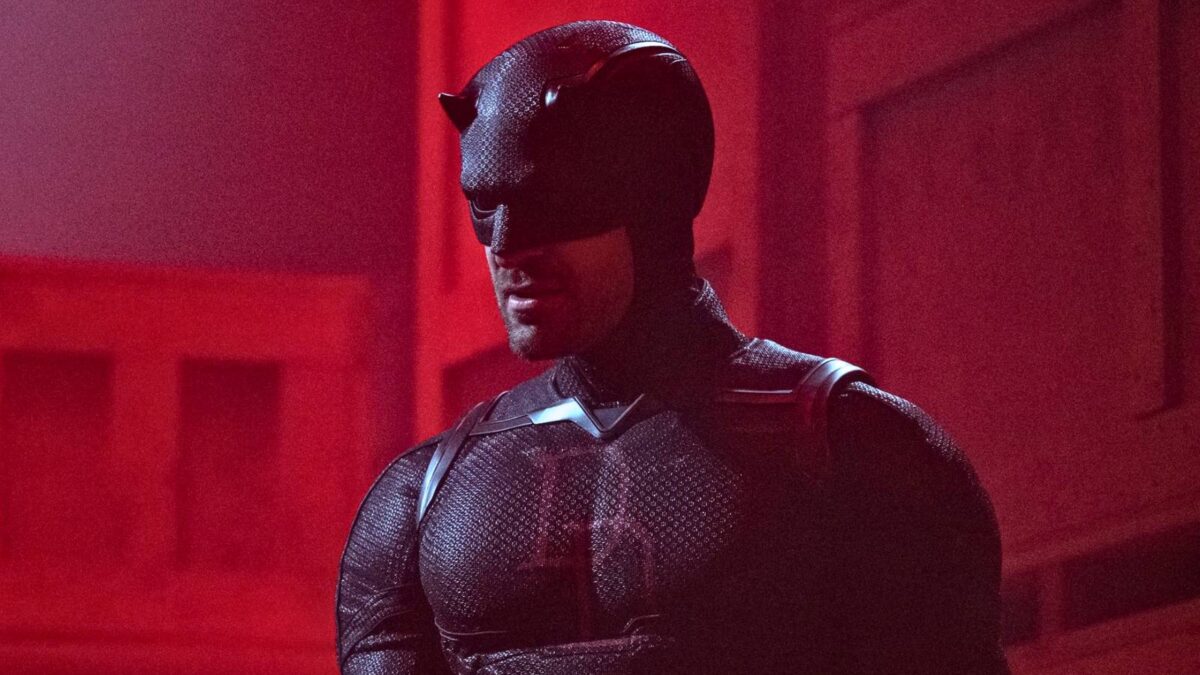
Born Again’ Showrunner Confirms ‘Avengers’ Character Is Key to Street Level MCU [Exclusive]
Ahead of the Avengers' return to the big screen later this year, Marvel Studios will return to street-level storytelling with the second season of Daredevil: Born Again on Disney+. Along with making the show canon to everything that happened in…
Mar 18, 2026

Taylor Sheridan’s Underrated Action Thriller Series Roars to Streaming Success
It’s now been two years since we last saw anything from the underrated action thriller series created by Yellowstone’s Taylor Sheridan, but having finally had some promising word about the new season, the show has now shot up the streaming…
Mar 17, 2026
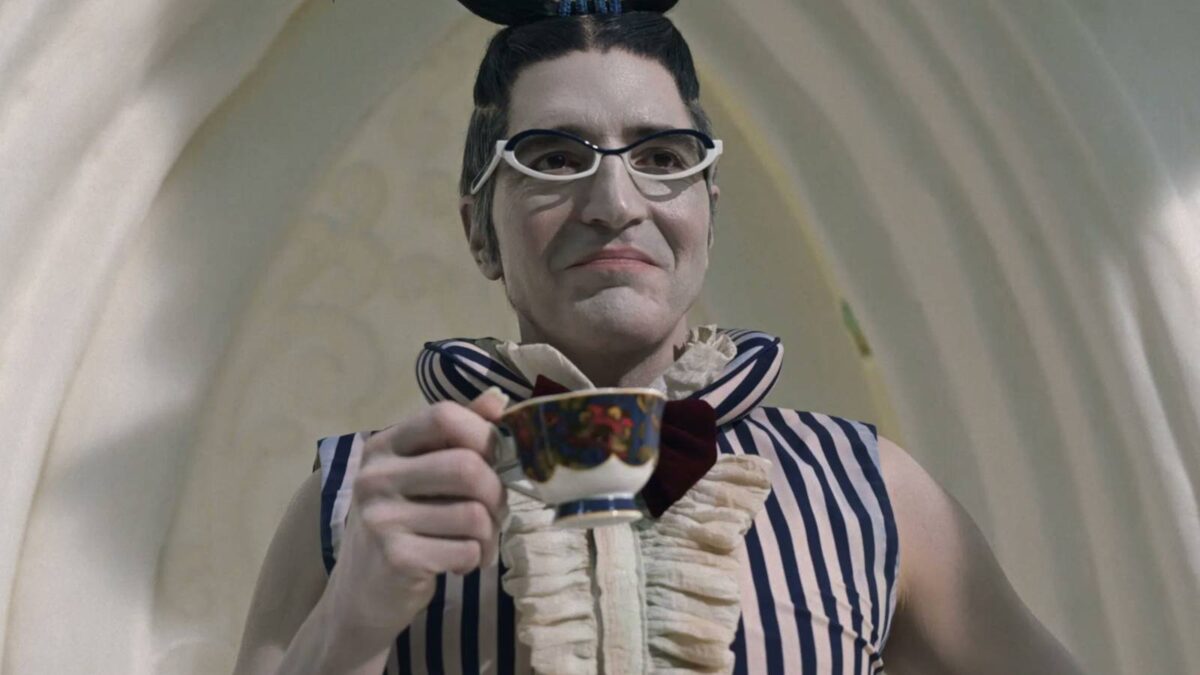
Netflix’s ‘One Piece’ Fails To Replicate Success of Season 1 on Streaming
It's been a little over two months since Stranger Things came to an epic conclusion on Netflix that left a massive hole in our hearts in more ways than one. However, the show's biggest replacement in terms of sheer production…
Mar 16, 2026