A Haunting Portrait of Queer Repression
May 8, 2025
Lilies Not For Me is a quietly devastating period drama that examines the cruel intersection of queer identity and institutional control. Set in a 1920s English medical facility where homosexuality is pathologized as a disease to be “cured,” the film offers a searing yet empathetic depiction of one young man’s internal and external struggle to hold onto his sense of self in a world designed to erase it. With measured direction, nuanced performances, and a deeply literary structure, Lilies Not For Me is as much a character study as it is a condemnation of historical—and disturbingly contemporary—attempts to silence queerness.
The Heart of the Story:
The film follows Owen James (Fionn O’Shea), a soft-spoken aspiring novelist whose expressive face communicates volumes even in silence. O’Shea delivers a career-defining performance, delicately balancing Owen’s internalized shame with flickers of resolve. The film opens with Owen’s arrival at the facility, a stately yet cold institution shrouded in a grim politeness that masks its more insidious purpose: to reprogram young men into what society deems “normal.” Owen has been admitted under pressure from his family, a quiet act of violence that lingers over every scene like a specter.
As part of his treatment, Owen is assigned to Nurse Dorothy, portrayed exceptionally by Erin Kellyman. Their prescribed daily teatime sessions initially seem absurd—a genteel ritual designed to simulate heterosexual courtship—but gradually evolve into the film’s emotional core. Kellyman imbues Dorothy with compassion and quiet rebellion; she becomes both caretaker and confidante, slowly peeling back Owen’s layers without ever demanding he expose himself. Their conversations, often staged with the formality of a theatrical scene, are filled with subtle shifts in power and trust. It’s through these moments that the film’s thematic richness is most apparent: the dangers of compulsory conformity, the resilience of queer intimacy, and the redemptive power of being seen.
Flashbacks and Ghosts:
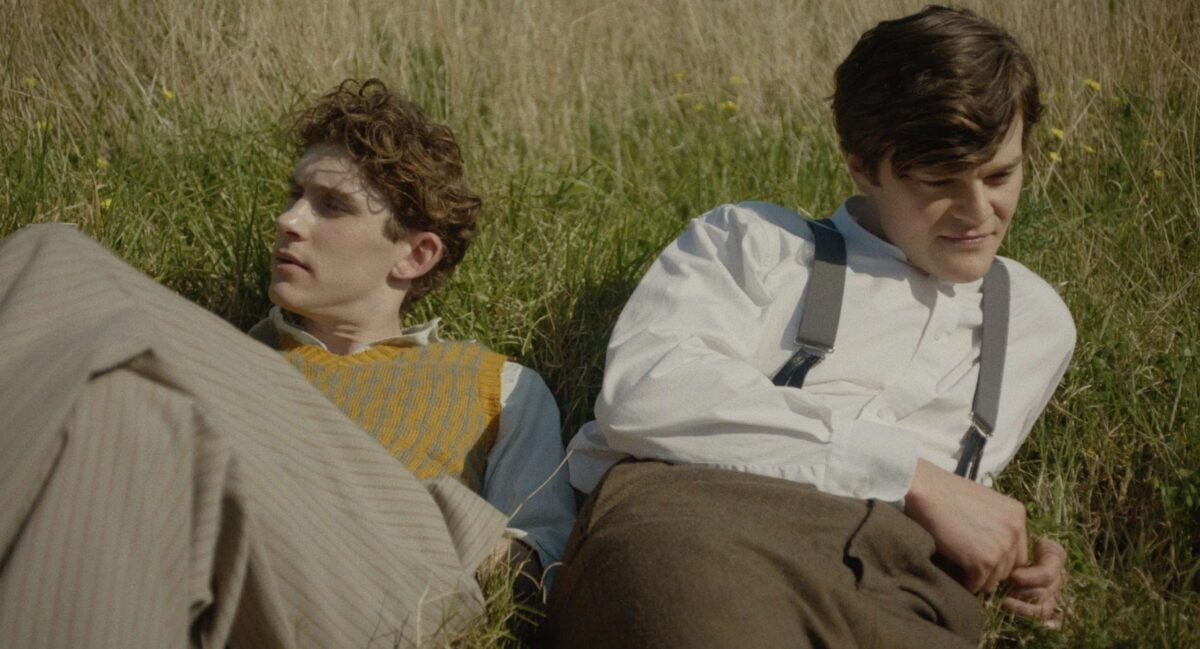
Structurally, director Will Seefried employs a nonlinear narrative, using flashbacks to gradually unfold Owen’s past. These sequences are evocative and lyrical, drenched in golden light and the heady intoxication of first love. It is here we meet characters portrayed by Robert Aramayo and Louis Hofmann, who add critical emotional weight to the story. Aramayo’s performance as a fellow patient turned confidant is restrained but deeply felt, offering a look at how queer men often became one another’s only support system within oppressive environments. Hofmann, in turn, plays a pivotal figure in Owen’s past—a lover whose presence haunts the present-day narrative like a ghost of forbidden possibility. Their chemistry is palpable but never sensationalized; the love scenes are shot with an emphasis on intimacy and vulnerability, never prurience.
A Literary Voice in Cinematic Form:
Seefried’s writing is deeply literary without tipping into pretension. He allows the film’s emotional power to build slowly, using Owen’s own voice—both spoken and written—to frame the story. Excerpts from Owen’s writing, whether read aloud or scribbled into notebooks, offer poetic insights into his psyche and serve as an elegant counterpoint to the institutional language of the facility’s staff. Dialogue is often clipped and polite, but charged with undercurrents of repression, resistance, and coded desire. The restraint of the script mirrors the restraint forced upon its characters, making the moments of emotional rupture all the more powerful.
A Carefully Constructed Visual World:
The film excellently utilizes stark lighting that underscores the clinical, almost antiseptic quality of the environment. In contrast, the flashbacks—especially those set in nature or intimate interiors—burst with color and texture, subtly reinforcing the vibrancy of queer life outside institutional walls. The costumes here are also incredible, and if you’re a huge cottagecore fan like me, you’ll love them.
The Emotional Undercurrent:
Music, too, plays a subtle but effective role. The score, composed by Theodosia Roussos, is minimalist yet emotionally resonant, relying on delicate piano and string arrangements to evoke longing, melancholy, and moments of hope. The use of silence is just as potent. Long, unbroken takes often allow the characters—and the audience—to sit with discomfort, creating a sense of suffocating stillness that mimics Owen’s own psychological confinement.
One of the film’s most commendable achievements is its refusal to offer easy resolutions. Though there are moments of tenderness, even levity, Lilies Not For Me does not flinch from portraying the emotional and physical toll of conversion therapy. The medical facility’s methods are chilling in implication. Seefried’s direction is tactful, but unrelenting in its moral clarity: this is psychological warfare waged under the banner of “health.”
Overall:
Ultimately, Lilies Not For Me is a moving and meticulously crafted film that offers a timely reminder of the historical injustices faced by LGBTQ+ individuals, while also celebrating the quiet acts of resistance that have always been part of queer survival. With haunting performances, lush cinematography, and a script that honors the complexity of its subject matter, Will Seefried’s debut feature marks him as a filmmaker of tremendous promise and conscience.
Lilies Not for Me Review: A Haunting Portrait of Queer Repression
Acting – 8/10
Cinematography/Visual Effects – 8/10
Plot/Screenplay – 7/10
Setting/Theme – 7.5/10
Watchability – 7/10
Rewatchability – 5/10
User Review
0
(0 votes)
Summary
Ultimately, Lilies Not For Me is a moving and meticulously crafted film that offers a timely reminder of the historical injustices faced by LGBTQ+ individuals, while also celebrating the quiet acts of resistance that have always been part of queer survival. With haunting performances, lush cinematography, and a script that honors the complexity of its subject matter, Will Seefried’s debut feature marks him as a filmmaker of tremendous promise and conscience.
Pros
Will Seefried’s solid direction
Absolutely gorgeous cinematography mixed with fantastic costume design
A haunting and moving story
Cons
Pacing issues
Difficult to watch in some moments, even if it is the point
.review-total-box {
display: block;
}
.wp-review-1002433.review-wrapper .user-review-area .review-percentage,
.wp-review-1002433.review-wrapper .user-review-area .review-point {
width: 20%;
float: right;
margin-top: 5px;
}
.wp-review-1002433.review-wrapper.wp-review-circle-type .review-total-wrapper .review-circle.review-total {
margin: auto 0;
padding-top: 15px;
width: auto;
height: 100%;
clear: both;
}
.wp-review-1002433.review-wrapper.wp-review-circle-type .review-total-wrapper > .review-total-box {
display: block;
}
.wp-review-1002433.review-wrapper.wp-review-circle-type .review-total-wrapper > .review-total-box > div { display: none; }
.wp-review-1002433.review-wrapper .review-total-wrapper .review-total-box h5 {
color: inherit;
}
.wp-review-1002433 .review-embed-code { padding: 7px 30px 15px; }
.wp-review-1002433 .review-embed-code #wp_review_embed_code { background: rgba(255, 255, 255, 0.5) }
.wp-review-1002433 .wpr-rating-accept-btn {
background: #e57e34;
background: linear-gradient(to top, #e57e34, #f08436);
color: #000000;
margin: 10px 30px 12px;
width: -moz-calc(100% – 60px);
width: -webkit-calc(100% – 60px);
width: -o-calc(100% – 60px);
width: calc(100% – 60px);
border-radius: 50px;
}
@media screen and (max-width:600px) {
.wp-review-1002433.wp-review-point-type .review-list li .review-point,
.wp-review-1002433.wp-review-percentage-type .review-list li .review-percentage {
width: 40%;
}
.wp-review-1002433.wp-review-point-type .review-list li .wp-review-user-rating .review-point,
.wp-review-1002433.wp-review-percentage-type .review-list li .wp-review-user-rating .review-percentage {
width: 100%;
}
.wp-review-1002433.wp-review-point-type .wpr-user-features-rating .review-list li span,
.wp-review-1002433.wp-review-percentage-type .wpr-user-features-rating .review-list li span {
float: left;
line-height: 1.4;
font-size: 14px;
}
.wp-review-1002433.review-wrapper .review-pros-cons .review-pros {
padding: 15px 30px;
}
.wp-review-1002433.review-wrapper .review-pros-cons .review-cons {
padding: 15px 30px;
padding-top: 0;
}
.wp-review-1002433.review-wrapper .user-total-wrapper {
max-width: 100%;
float: left;
}
.wp-review-1002433.review-wrapper.wp-review-circle-type .user-total-wrapper { max-width: 70%; }
.wp-review-1002433.review-wrapper .user-total-wrapper h5,
.wp-review-1002433.review-wrapper .user-total-wrapper .user-review-title { font-size: 14px; }
.wp-review-1002433.review-wrapper .user-review-area .review-percentage,
.wp-review-1002433.review-wrapper .user-review-area .review-point {
width: 50.5%;
}
.wp-review-1002433.review-wrapper .review-links { padding: 15px 30px 5px; }
}
@media screen and (max-width: 480px) {
.wp-review-1002433.review-wrapper .reviewed-item,
.wp-review-1002433.review-wrapper .review-desc { padding: 15px; }
.wp-review-1002433 .review-list li,
.wp-review-1002433.wp-review-point-type .review-list li,
.wp-review-1002433.wp-review-percentage-type .review-list li,
.wp-review-1002433.review-wrapper .wpr-user-features-rating .user-review-title,
.wp-review-1002433.review-wrapper .user-review-area,
.wp-review-1002433.review-wrapper .review-pros-cons .review-pros,
.wp-review-1002433.review-wrapper .review-pros-cons .review-cons,
.wp-review-1002433.review-wrapper .review-links,
.wp-review-1002433.review-wrapper .review-embed-code { padding: 12px 15px; }
}
]]>
Acting
Cinematography/Visual Effects
Plot/Screenplay
Setting/Theme
Watchability
Rewatchability
Summary: Lilies Not For Me is a quietly devastating period drama that examines the cruel intersection of queer identity and institutional control. Set in a 1920s English medical facility where homosexuality is pathologized as a disease to be “cured,” the film offers a searing yet empathetic depiction of one young man’s internal and external struggle to hold onto his sense of self in a world designed to erase it. With measured direction, nuanced performances, and a deeply literary structure, Lilies Not For Me is as much a character study as it is a condemnation of historical—and disturbingly contemporary—attempts to silence queerness.
3.7
Hauntingly Moving
Publisher: Source link






‘Off Campus’ Teaser and Release Date Revealed by Prime Video
No one expected a love story between rival hockey players to become one of the most talked-about TV shows of 2025, but there's a lot more where Heated Rivalry came from, as a new teaser for Prime Video's foray into…
Mar 21, 2026

Sarah Michelle Gellar Urges ‘Buffy’ Fans to Avoid Reading Leaked Reboot Scripts
Buffy the Vampire Slayer fans have had a rough few days after Hulu officially pulled the plug on a revival of the series, which would have brought star Sarah Michelle Gellar back as the titular heroine. Described as a continuation…
Mar 20, 2026
![Born Again’ Stars Explain Why Bullseye Is So Dangerous in Season 2 [Exclusive]](https://www.filmibee.com/wp-content/uploads/2026/03/Born-Again-Stars-Explain-Why-Bullseye-Is-So-Dangerous-in-1200x675.jpg)
Born Again’ Stars Explain Why Bullseye Is So Dangerous in Season 2 [Exclusive]
Along with Charlie Cox's Matt Murdock and Vincent D'Ofnorio's Wilson Fisk, Daredevil: Born Again Season 1 brought back one of The Man Without Fear's most notorious villains: Wilson Bethel's Benjamin Poindexter, better known as Bullseye. Not only was he back…
Mar 19, 2026

Born Again’ Showrunner Confirms ‘Avengers’ Character Is Key to Street Level MCU [Exclusive]
Ahead of the Avengers' return to the big screen later this year, Marvel Studios will return to street-level storytelling with the second season of Daredevil: Born Again on Disney+. Along with making the show canon to everything that happened in…
Mar 18, 2026