

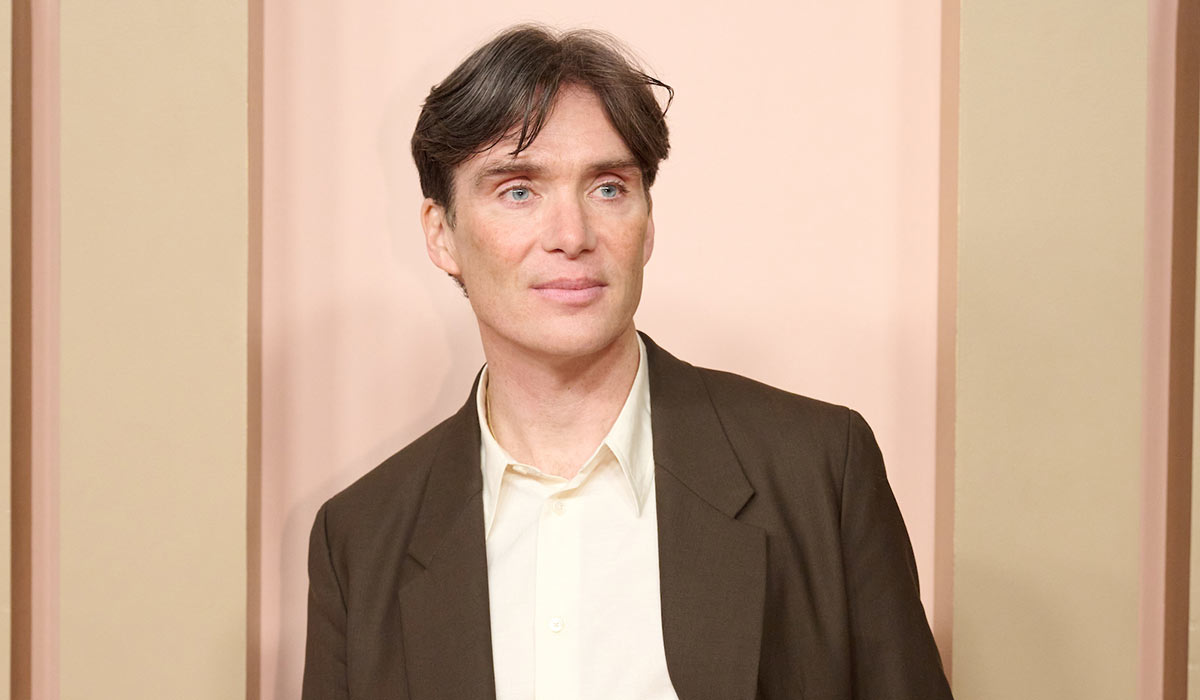
There have been numerous times over the course of Cillian Murphy’s career when he could have easily earned his first Academy Award nomination. There was his transformative performance in “Breakfast on Pluto.” His harrowing turn in “28 Days Later.” Or even his acclaimed performance in “The Wind That Shakes the Barley.” But after 20 years into his feature film career, that moment finally arrived with longtime collaborator Christopher Nolan and “Oppenheimer.” And now, Murphy has caped that achievement by winning Best Actor at the 96th Academy Awards.
READ MORE: Pierce Brosnan’s choice for The Next James Bond? Fellow Irishman Cillian Murphy
As the title character and the real-life “Father of the Atomic Bomb” J. Robert Oppenheimer, Murpy was in almost every scene in Nolan’s Oscar-dominating picture. Despite impressive competition from Bradley Cooper (“Maestro”), Colman Domingo (“Rustin”), Jeffrey Wright (“American Fiction”), and Paul Giamatti (“The Holdovers”), his captivating presence won not only members of The Academy but also the Screen Actor’s Guild and BAFTA, among others.
Murphy’s other credits include “Intermission,” “Cold Mountain,” “Red Eye,” “Sunshine,” “Tron: Legacy,” and “A Quiet Place Part II.” He also played the leading role in the popular and award-winning British television drama “Peaky Blinders.” Outside of “Oppenheimer,” Murphy has collaborated with Nolan on “Batman Begins,” “The Dark Knight,” “The Dark Knight Rises,” “Inception,” and “Dunkirk.”
“Oppenheimer” is now available on Peacock and for digital download.
Best ActorCillian MurphyOppenheimerOscars 2024About The Author
Publisher: Source link