Great White Summer Featured, Reviews Film Threat
Sep 8, 2024
Documentary director Nick Budabin pulls the curtain back on an unsettling standoff between nature conservation and human settlement in his brilliant film Great White Summer.
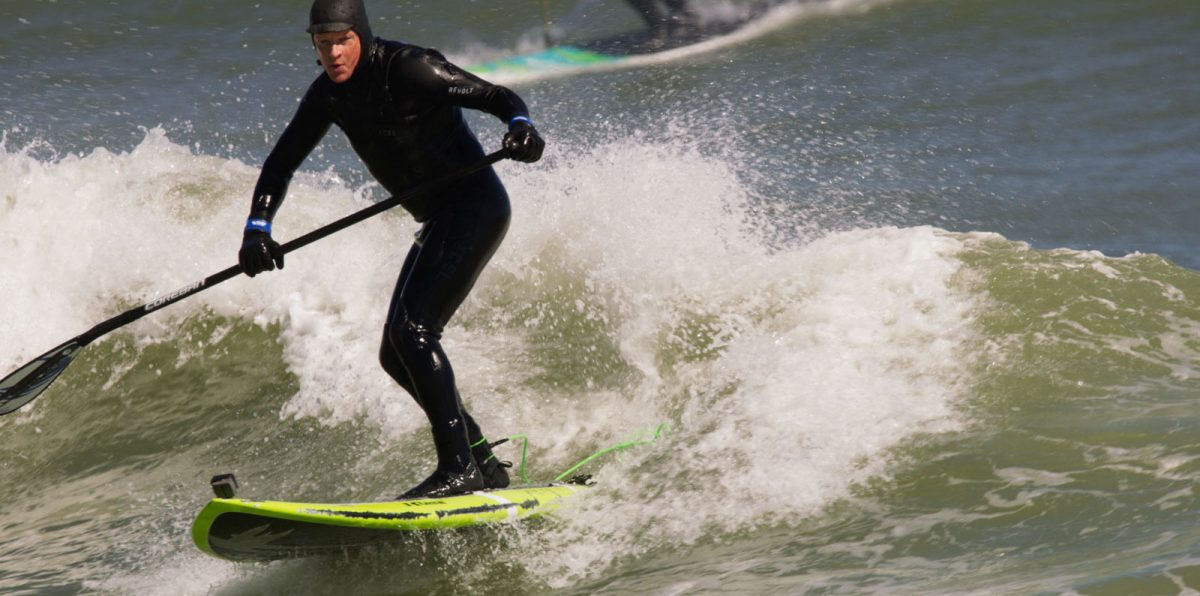
Out on Cape Cod, seal populations had been hunted nearly to extinction until the 1972 passage of the Marine Mammal Protection Act. That act made it illegal to “‘take’ marine mammals without a permit. This means people may not harass, feed, hunt, capture or kill any marine mammal.” The protection act had a profound effect on repairing the ecosystem. As the seal population near the Cape rebounded impressively, so did the presence of sharks, which feed on them. Seals are particularly attractive to Great White sharks, and there are many more sightings of Great Whites near Cape Cod now, all the way up to the Gulf of Maine. Despite the rise in sightings, there have been almost no attacks on humans.
That said, the fear of an attack has driven some of the local population into an irrational frenzy. There has been one fatal shark attack in the area since 1936. This happened in 2018. By contrast, the Massachusetts government data website indicates that in the year 2022 alone, there were 57 drowning deaths in the area. Sharks are not a great danger in the waters of Massachusetts.
“Organizations have been formed to push for action regarding sharks…”
Budabin shows how fear has led to conflicts between locals, scientists, and authorities as they navigate the rise in predator population, prioritize public safety, and weigh solutions impacting nature, livelihood, and survival. Organizations have been formed to push for action against the seals and the sharks, asking to have their numbers reduced again through a cull or for public funding for elaborate (and expensive) warning systems that a shark is nearby.
The film sets up two primary groups as representing disparate perspectives on the issue. On the local side is a Cape Cod community group headed up by resident Heather Doyle. This group sees itself as being in opposition to the Massachusetts Division of Marine Fisheries. The scientific voice of reason from fisheries is marine biologist Dr. Greg Skomal.
Dr. Skomal is primarily concerned with research, though he does say the research data can and should be used to formulate responses for public safety. Doyle’s group insists that the government do something to protect humans in the area who would like to swim or surf.
Publisher: Source link








Paramount+ Renews ‘Criminal Minds: Evolution’ for Season 19
The start of its new season is still weeks away, but fans of Criminal Minds: Evolution won't have to wait that long to learn the fate of the long-running hit crime procedural. Execs at Paramount+ have already decided what the…
Mar 27, 2026

‘A Tale of Two Cities’ First Look Reveals Kit Harington in MGM+ Series
The BBC and MGM+ are teaming up with a new four-part limited series adaptation of Charles Dickens' classic 1859 novel A Tale of Two Cities. Game of Thrones veteran Kit Harington will play Sydney Carton, a cynical English lawyer who…
Mar 26, 2026

HBO ‘Harry Potter’ Series Image Reveals Dominic McLaughlin in Title Role
The first official look at HBO's upcoming reboot of Harry Potter has finally arrived, and it is already teasing a magical trailer release. As we inch closer to the show's expected 2027 release, the network has begun to reveal more…
Mar 25, 2026

‘Dutton Ranch’ Trailer Reveals ‘Yellowstone’ Sequel Release Date
Rip Wheeler and Beth Dutton gamble everything on a new life in South Texas in the first trailer for the Yellowstone spin-off, Dutton Ranch. The footage reveals all manner of gun fights, fist fights, explosions, galloping horses, and even mysterious…
Mar 24, 2026