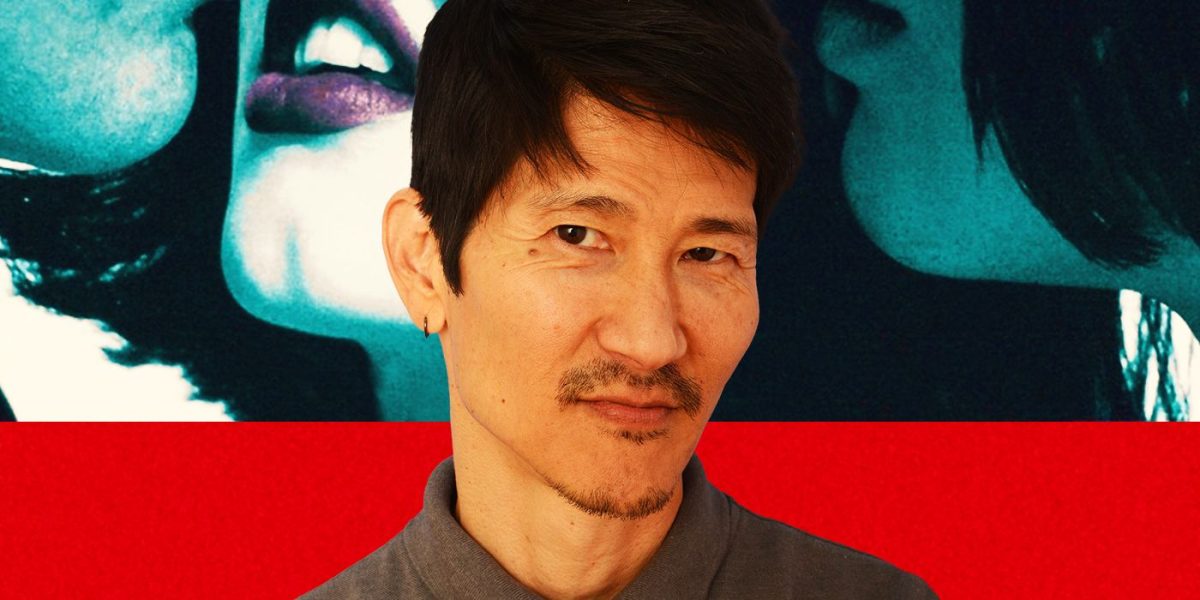
Gregg Araki on Revisiting His Teen Apocalypse Trilogy Three Decades Later
Oct 1, 2024
A pioneer of the new queer movement and the first-ever winner of the Cannes Film Festival’s Queer Palm Award, Gregg Araki’s reputation and influence in indie filmmaking has endured for decades. The LA-born filmmaker broke through with 1992’s micro-budgeted The Living End, a taut, dark crime dramedy about HIV-positive gay lovers. Reception to that film was highly polarized, which would generally prove to represent decades of critical reception towards the self-identified punk-rock filmmaker.
Three full decades since the debut of West Hollywood-based drama Totally F***ed Up (which was followed by the violent road movie The Doom Generation in 1995, and Nowhere in 1997) Araki is looking back on his landmark “Teen Apocalypse Trilogy,” a narratively unrelated but spiritually connected trio of angst, disillusionment and sex, most notably via a Criterion Collection box set. The three pictures (all starring James Duval, with appearances from many notable stars including Rose McGowan, Ryan Phillipe, Christina Applegate and Heather Graham), look better than ever with sparkling new 4K transfers and new special features. It’s a pumped-up, meticulously restored fan edition that’s representative of the director’s purest vision.
During this conversation with Collider, Araki discusses revisiting his head-turning early works, the upcoming 20th anniversary of critical darling Mysterious Skin, and the up-and-coming indie filmmaker that’s earned his respect.
The Teen Apocalypse Trilogy Has Been Restored For a New Generation
COLLIDER: For many film fans and filmmakers, Criterion is rather sacred and aspirational. What is it like working with them?
GREGG ARAKI: They’re amazing. They’re like a cinephile’s dream. It’s so amazing to be a part of that, along the shelf, to have your own little section. It’s been my dream to have the trilogy in a Criterion box set.
What was it like going back and restoring these three movies?
ARAKI: That was the thing about this whole process—with my friend Marcus Hu from Strand Releasing—when the rights to Doom Generation and Nowhere came up because the licenses expired from the previous distributors, I think I actually took it to him and said I want to remaster, and they raised enough money to do it. The thing with both Doom and Nowhere is that they have very fervent kind of followings, but the following of those movies is on the basis of the absolute worst, sh*ttiest copies imaginable. Doom wasn’t even Letterboxed; it was like a pan and scan… and Nowhere was never even released on DVD in the U.S., just VHS and LaserDisc. So these kids who’ve been watching these movies for 28–30 years have been watching like a bootleg of a bootleg. It kills me; those were my first two movies in 35mm, and we put so much effort into the visual style, the color and the look of it. But somehow, the movies lived on, and people loved them anyway. We just went back and remastered everything from the camera IP and remastered the sound from all the original stems. The technical level of the movies is much more advanced than it was in 1994 because I’m much more advanced than I was in 1994. [Laughs]
So we produced these incredible masters… then we had a screening of the trilogy at the Academy Museum, and Doom and Nowhere got theatrically re-released in 2023. The Criterion box set was the cherry on top of the sundae; they agreed to do it as a box set—we designed the whole package, shot a bunch of extra stuff. And for the fans, it’s kind of a thank you to them that there’s now this pristine, director-approved, really great copy of all three movies as they’re intended. With 4K… it’s amazing that they release it. You could screen a 4K in a giant theater and it’s pretty amazing.
I am always touting 4K physical media to people I know. With the elements of many films, it’s hard to fathom movies looking any better than they do on most screens, definitely at home.
ARAKI: It’s incredible. Doom and Nowhere are just really, really beautiful movies—with the colors, design, the casts at the peak of their beauty—it really just needs to be seen on the biggest screen possible in the best quality possible.
Gregg Araki’s Movies Have Always Been Indie Cinema’s Punk Rock
Your movies, perhaps especially the Teen Apocalypse Trilogy, epitomize cult classics. They’re aggressively unusual. Your fan base is loyal, and critical reception has been all over the map for years. How much attention do you pay to reviews?
ARAKI: I’m used to it. The Living End was my first movie that got wide distribution all over the world. It was so polarizing.
It’s amazing. That movie is aging so damn well.
ARAKI: It was very aggressive with the guys and the gun in the mouth… It was very much expressing my anger, frustration, and angst about the age of AIDS. It was really coming from the same place of Act Up and the political movement of the late ‘80s, early ‘90s. We got great reviews, like a rave in the New York Times, which is why October picked it up and distributed it. But then some people were so outraged by it. Some people hated it. I was born in ’59, so ’78 to ’82 were my undergraduate years. Punk rock music was exploding around that time, and that’s the most profound influence on my sensibilities. I’m like an old punk rocker or an old new wave kid. I’m not like, “Oh, the mainstream. Oh, I wanna win an Oscar. Oh, I wanna be top 40 and sell out stadiums.” I wanna do my own thing, which is what all those old new wave bands did. There’s gonna be people that really get it and people that really don’t get it. I’m not trying to please other people so much; I’m just trying to express myself, and I’m grateful when it resonates with people.
As Its 20th Anniversary Approaches, Mysterious Skin Remains Universally Adored by Critics
Image via Desperate Pictures
There was a movie that was unanimously well-received by critics and, frankly, should have found an even bigger audience, and that’s the coming-of-age drama Mysterious Skin, which I have to say is one of the best movies that I’ve ever seen. It turns 20 very soon. Any plans for a retrospective?
ARAKI: We’re gonna try… I’m really busy right now. I know Brady [Corbet]’s super busy because his new movie’s coming out. I hope we can do something… It might be a little bit late. It’s on the list.
You’re a very big name in indie filmmaking and pushing boundaries. Is there anyone who’s up-and-coming in the indie scene now that makes you think, “Game recognizes game?”
ARAKI: It’s funny, I just interviewed Jane Schoenbrun for Filmmaker Magazine. When we did the Doom Generation revival screening a year ago, she did the Q&A, so that’s how I first met her. She had just done her first feature, and then I Saw the TV Glow came out this year… thought that movie was super cool: very punk rock, very indie, very David Lynch… I was happy there are movies being made like that. I remember talking to IndieWire, and they picked it as the f. There weren’t movies like Doom Generation and Nowhere in the ‘90s. In the 2020s, they’re still unique. I Saw the TV Glow is, of course, very different, but in a similar spirit. I thought it was really cool that someone is still making really arty, surreal, experimental movies… for A24 no less. So, good for her.
The Teen Apocalypse Trilogy is now available on Blu-ray and 4K UHD from Criterion.
Purchase on Criterion
Publisher: Source link




Eggs – Film Threat
In writer-director-star James Clair’s short drama Eggs, a man struggling to rebuild his life finds his quiet mornings turning into strange conversations with the very eggs he is meant to cook. I mean, they want him to eat them. So…
Mar 11, 2026
Ethan Hawke Elevates A Rugged, Predictable Gold-Run Survivalist Western[Sundance]
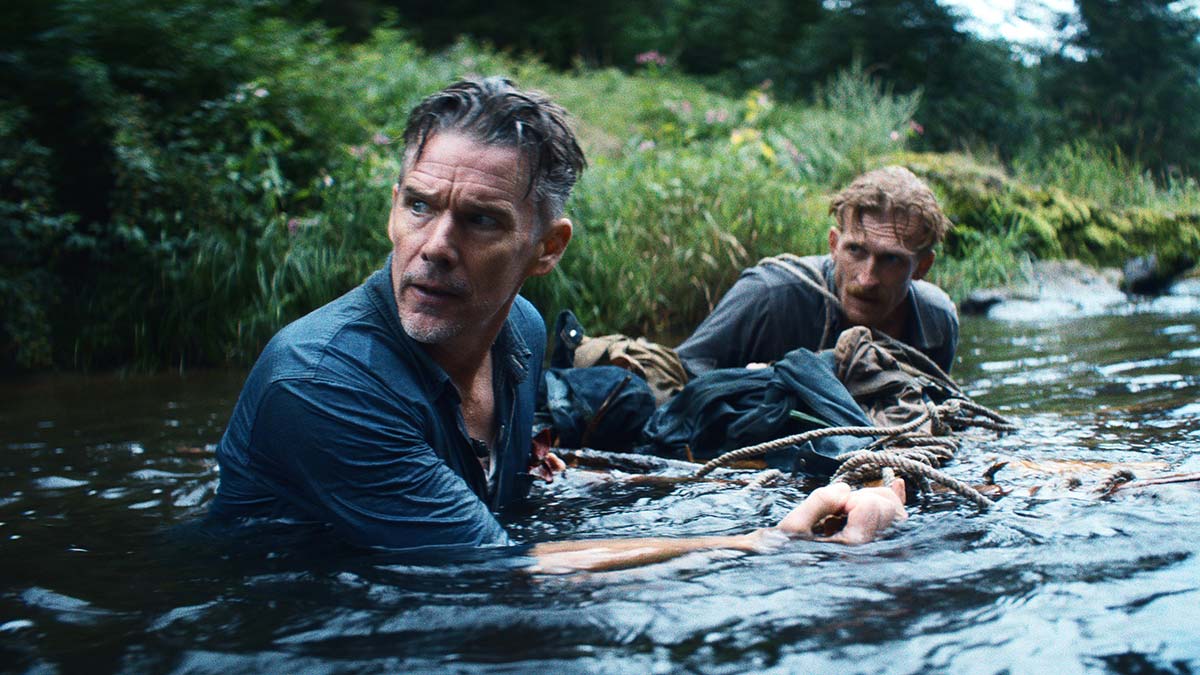
As far as one can tell, Murphy (Ethan Hawke), a father, WWI veteran, and avid car mechanic, has never encountered an insurmountable challenge. Living in Eugene, Oregon, in 1933, four years into the Great Depression, Murphy and his young daughter,…
Mar 11, 2026
The Moment Review | Flickreel
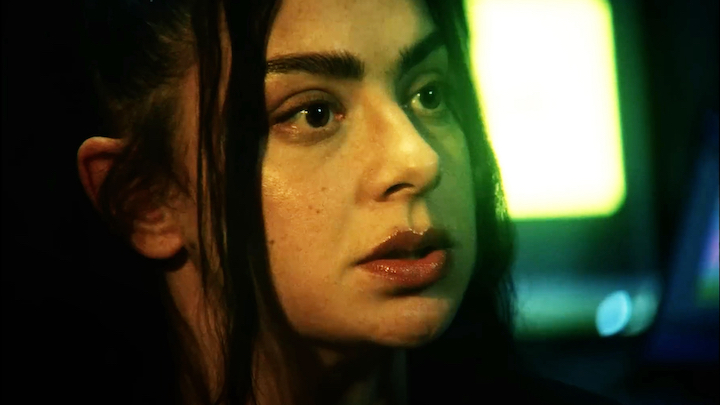
Brat Summer was a cultural phenomenon that I didn’t understand at all. I knew that it was connected to an album that Charli XCX had released. Whenever I asked what Brat is, though, nobody could seem to give a straight…
Mar 9, 2026
Cillian Murphy’s Netflix Crime Hit Delivers a Brutal, Bleak Finale
It’s been four years since we last saw Cillian Murphy play Tommy Shelby, but seven have passed in the world of Peaky Blinders, with The Immortal Man taking place in 1940, in the middle of World War II. Tommy’s gone…
Mar 9, 2026