Jack Thorne Says Netflix’s ‘Lord of the Flies’ Found Its “Animal” in That Brutal Death
May 4, 2026
Editor’s Note: The following contains spoilers for Lord of the Flies.
Fresh off the success of Adolescence, writer Jack Thorne is digging even deeper for his latest complex portrait of boyhood with the first TV adaptation of Lord of the Flies, a story that’s stuck with him since his own childhood. Streaming on Netflix, William Golding’s dystopian classic story of schoolboys stranded on a tropical island after a deadly plane crash with no adults to keep things from descending into primal madness focuses on Piggy (David McKenna), Jack (Lox Pratt), Simon (Ike Talbut) and Ralph (Winston Sawyers). Clashes turn into leadership struggles as civilization quickly frays, and the young boys who once thought they were friends start to hunt each other.
Thorne is the type of writer who likes to shake things up while he embraces the chaos of never knowing what’s next until it presents itself. That approach to his career has done him well throughout the last 25 years, and has led to a wide variety of projects, genres, and mediums — with everything from the award-winning Adolescence and Netflix’s Lord of the Flies to three Enola Holmes movies, the stage play Stranger Things: The First Shadow, and The Beatles’ upcoming cinematic universe (featuring one biopic each for John Lennon, Paul McCartney, George Harrison and Ringo Starr) for director Sam Mendes. Thorne sat down with me for an in-depth conversation digging deep into his process of adapting Lord of the Flies and the choices and changes he made. He also discussed why the conversations surrounding Adolescence felt special, how there were never plans to continue that story beyond what they have already released to the world, how impressed he was with Owen Cooper’s stand-out performance in Adolescence as well as the young ensemble in Lord of the Flies, putting his trust in Mendes for The Beatles films, and why Ang Lee is one of his heroes.
‘Lord of the Flies’ Is a Story With Deep Personal Significance for Writer Thorne
“That has been the book, all my life. It’s one that’s lived with me in lots of different ways.”
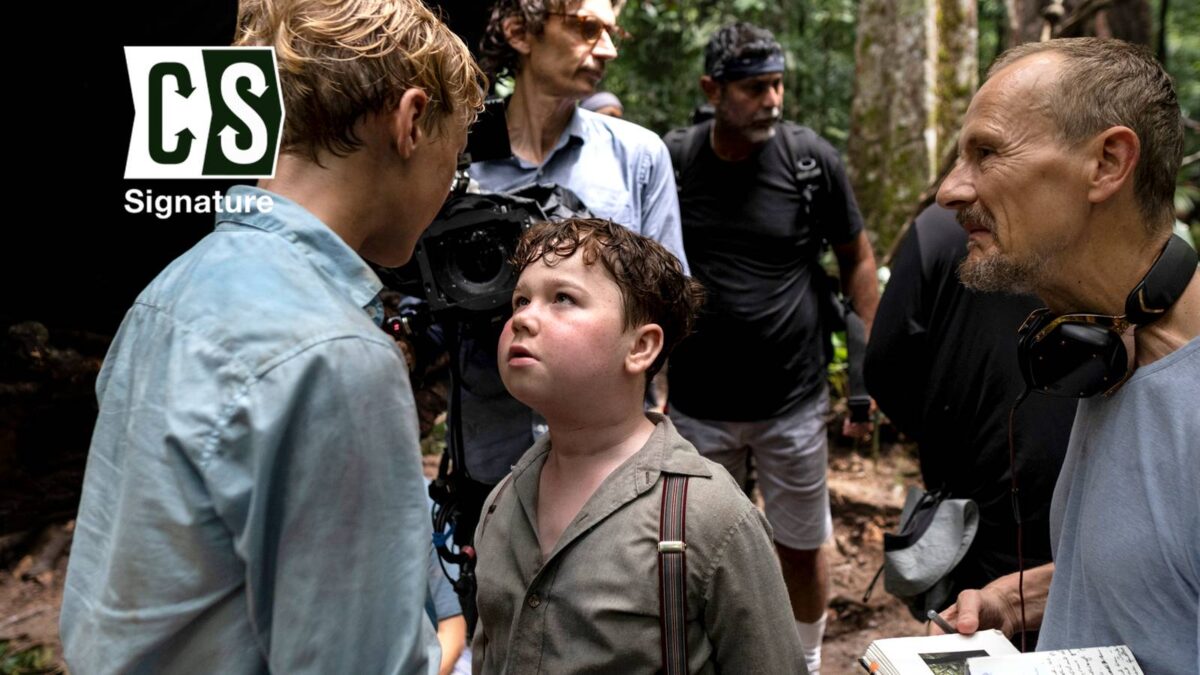
David McKenna as Piggy, Winston Sawyers as Ralph and Ike Talbut as Simon in the jungle in Lord of the FliesImage via Netflix
COLLIDER: Lord of the Flies feels like one of those stories that we all know the story of, whether we’ve actually read it or watched the previous movies. When did you first become aware of the story, and what did it mean to you before doing this? JACK THORNE: I read this as an 11-year-old. I didn’t study it in school, but my mom was a supply English teacher at Portway English Department. My copy of Lord of the Flies had Portway English Department stamped on the inside cover because my mom stole it, which I think is apt for Lord of the Flies. It was really my mom’s stolen copy. When I read it, I remember the sensation of feeling like the writer had gotten into me somehow. I felt like Simon. I felt profoundly like Simon. I was an autistic kid. I wasn’t particularly adept at dealing with other people and being in social situations at all. I did look for the other in quite a lot of my life. I did reach for the other. And so, I remember this feeling of feeling like I was Simon, and then Simon gets killed. I didn’t understand what had happened, but there’s the line about his silvery body drifting out to sea and I remember going, “Oh, shit.” I’ve never forgotten that feeling. I tried to make Lord of the Flies before. I tried to make it about 15 years ago for Channel 4, but we couldn’t get the rights. Joel [Wilson], who’s a very close friend of mine as well as an executive producer for this project, it was his company that made it. We were having Sunday lunch at his house, and he said to me, “What’s the one book?” And I said, “Lord of the Flies.” That has been the book, all my life. It’s one that’s lived with me in lots of different ways, with lots of different ways of telling it. Were there aspects of the Lord of the Flies story that couldn’t make it into the films because of time that you knew you wanted to include in this, because you did have more time? THORNE: Yeah, lots. The films are both very interesting, but there’s so much in every page of [William] Golding’s book that I wanted to spend time with. That was particularly true of Jack. It’s not just the difference between time in film versus TV. It’s the difference in terms of the vocabulary of television and what that chapter format can do, which I’m always obsessed with when I’m starting a project. I like to work out the story and know what I’m going to tell, but then figure out what the chapters are. That thing of spending the second chapter with Jack, which was the big revelation for me at the start of the journey, when we were working out how to pitch to them, and understanding Jack came from the book. Golding was talking about Jack’s emotion after the argument at the fire and Jack walking away from the fire and the fire having gone out. The way Golding described Jack’s face and emotion, at that point, I was like, “I don’t think I understood it properly. I need to revisit the book from the beginning again.” Just that thing of being able to spend time with and give insight to those characters felt like the treat of doing it on television.
Thorne Wanted To Explore the Tenderness in ‘Lord of the Flies’
“That was the discovery I made reading it as an adult.”
Lox Pratt as Jack crouched down in the jungle and covered in dirt in Lord of the FliesImage via Netflix
You’ve previously said that this story is a remarkably tender portrait of young boys, and I don’t know that I’ve ever heard anybody describe Lord of the Flies in that way. If you went into writing this with that perspective, did it feel like that shaped the way you told the whole story? THORNE: That was the discovery I made reading it as an adult. As a child, I was like, “I’m Simon. The world hates me. This book makes sense to me.” As an adult, when I read it, I could see bits of Jack that I refused to look at as a kid. And I could see bits of Ralph that are less kind than I expected. I honed in on that and saw the tenderness. I think there’s one character [Golding] doesn’t like, which is Roger. I think he actually quite liked Jack in some ways. I think he certainly likes Ralph, and I think he loves Piggy, and he loves Simon. I just wanted to understand that perspective and get inside what I saw as his tenderness as a writer. As you decided to do these chapters and focus each one on a different one of the boys, did you immediately know the order you wanted to do that in? THORNE: No. Where Ralph sat was the trickiest decision of all. Simon was the obvious one. Simon had to be chapter three, and the death of Simon had to be chapter three. With Jack, it felt like chapter two would be interesting. There was something about the hunt and the going out of the fire that felt very Jack. And then, with Piggy and Ralph, they could belong on either side. Ralph is the lead character of the show and not giving them an episode until the last episode felt like a brutal decision that I wouldn’t have made if I was coming at this as an original writer. But then, it was about following the book because the book was telling me, and Ralph is the end of it. Golding does something really interesting with Ralph, towards the end of the book, in that he tells us about his home life, just briefly, just a little bit. It’s the moment when Golding is pointing a spotlight at him in lots of ways, as he’s trying to survive and trying to work out the cost of survival. So, Piggy starts it and Ralph ends it.
Related
Netflix Sets 2026 Debut for the First-Ever ‘Lord of the Flies’ TV Series in 72 Years
Netflix picked up the rights to the series last month.
You’ve talked about how this is a story about the moments when these young boys lose themselves and become stuck in a situation they can’t control. It also feels like you’re watching a story specifically about how they deal with that situation at the age they’re at because they likely would have dealt with it differently if they were older and had more or different life experiences. Do you feel like that influenced the casting of these characters? What did you think of this cast? What was it like to see what you saw in your head brought to life by them? THORNE: Really inspiring and really difficult. There were moments when I wanted to leave the room because it was not what I wanted it to be. Luckily, I was surrounded by colleagues who are made of stronger stuff than I am and had faith in the process. The interesting thing was that there were certain actors where you just went, “Oh, there’s Simon.” When we saw Ike [Talbut] for the first time, we went, “Oh, there’s Simon.” There was this chemical reaction to him. Similarly, with David [McKenna], who plays Piggy, we just went, “Oh, that’s Piggy.” And then, we spent time with him and realized how wonderful he is. That kid stole everyone’s heart. With the other two, the fascinating thing about the process is that Winston [Sawyers} and Lox [Pratt] auditioned for both parts quite a number of times. We were swapping them around because we were like, “These are two sensational actors. How the hell do we decide who they should play?” The beautiful thing about the process was that, at the end of it, we weren’t taking four kids or eight kids. We were taking 40 kids. With so many of the other parts, they were so close to playing a Jack or a Maurice or a Roger. (Director) Marc [Munden] used them in such sensational ways, really spending time on their faces. How did the experience compare to watching Owen Cooper tackle Adolescence? THORNE: We started filming on Adolescence with Episode 3. That was literally, “Let’s boil the poor boy in acid and see how he does.” Luckily, Owen was and is sensational. It was so interesting watching Phil [Barantini] direct Owen because what Phil did was give all his notes to Owen and no notes at all to Erin [Doherty]. So, in that crucial scene, Erin just literally had to riff off of what Owen was giving her. Because she’s so wonderful, she could take whatever he gave. With Lord of the Flies, we had young actors who were younger than Owen, quite considerably younger than Owen, pre-pubescent boys in the literal sense, playing opposite boys. Owen was a young man, but these were boys. That is so hard. It was boys playing opposite boys with 30 extras around them, all of whom were young people too, and none of whom wanted to keep still. The fact that they were able to do this, I can’t get over how good these actors are, in terms of the detail they found in their performances. That’s down to them and that’s down to the brilliance of Marc Mudnen.
Thorne Didn’t Set Out To Become the Voice of Boyhood Masculinity and Violence
“I’m fascinated by that age because I know its importance.”
Lox Pratt as Jack standing over to intimidate David McKenna as Piggy in the jungle in Lord of the FliesImage via Netflix
You’ve become known for penning complex portraits of masculinity and violence, but you’ve done so with young characters who are still in boyhood, who have not yet fully entered manhood. What is it that most compels you to tell stories like this about characters at this age or close to this age? Do you think you’ll make it a trilogy and do another project, or do you want to do a comedy? THORNE: I think I’ve hung up my boots for now. It was an accident. It wasn’t like I set out to do it. I was doing Lord of the Flies before I was doing Adolescence. As soon as Stephen [Graham] talked to me about doing Adolescence, I was in. Some people plan their careers. Other people have a chaotic relationship with their careers. I have a chaotic relationship with my career. I’m fascinated by that age because I know it’s importance. Because I didn’t really talk much at that age, I sat in the back and watched, so I feel like I saw many different colors of what that age was, just through sitting in the back of class and not being able to do it. I was desperate to have friends, and I was desperately bad at making friends. I was really bad at being 10. I was really bad at being 11. I was really bad at being 12, 13, 14 and 15. Those ages are concrete in my head because there was so much traumatic observation. Returning to that time and trying to find windows into it for my own sanity, but also because I think it’s really important, is something that hopefully I’ll continue to do, but with breaks to do other things.
Related
New Twisted Adaptation Is the Perfect ‘Adolescence’ Replacement in First Trailer
“Maybe there is a beast… maybe it’s only us.”
The scene in Episode 3 that builds to the group of boys chanting, “Kill the beast, cut its throat, spill its blood,” is intense and animalistic. That murder is such a significant moment. What was it like to figure out how you wanted to handle that moment and how you wanted that to be seen? THORNE: I can take very little credit for that. That’s down to the authorship of Marc Munden. I think film writers get too little credit, and I think TV directors get too little credit. I am in awe of the choices he made. It was the fourth thing we’ve done together, and I said to him, right at the beginning, “Make this yours.” That is an example of a moment when Marc just flew. I love what he did. I didn’t understand it when I first saw it. And then, slowly I found that clarity, and I was like, “This is incredible.” He went deep into the animal and found the animal. We also had an amazing choreographer, Polly [Bennett], who really led the boys and found a way of unleashing those kids. But that’s all down to the might of Marc Munden. The end of Episode 4 is so interesting because they hit this wall of a reality check. Ralph is trying to hide from Jack, and then they find these adult men on the beach. It’s the moment when they realize the fun and games are over, and you see the fear and pain in Ralph’s eyes, and the other boys behind him don’t have the same emotion on their faces that he does. What was that ending moment like to see? What was it like to see how that played out? THORNE: Winston is amazing in that moment. It’s largely the text from the book. We found a few more details in it, but largely we used Golding’s words at that moment. By that point, the kids were so deep in that Marc just trusted them to make their choices as they moved towards the boat. I loved how Thomas [Connor], who plays Roger, the worst of them all, just immediately disrobed and was like, “Okay, I’ll go do that now.” And then, the two that can’t move are Jack and Ralph, for totally different reasons. Lox is beautiful in that moment, as he’s standing there completely lost. His shoulders change from being ones of a warrior to being ones of a child again. And Winston is just looking up with total responsibility for something that he’s not responsible for. He’s grown and changed. I love that moment. I can take small credit for it because it’s about those incredible actors, and it’s about Marc.
The Conversations Surrounding ‘Adolescence’ Felt Very Special to Thorne
“Everyone that saw it wanted to talk to me about it. I got emails from friends from school that I hadn’t spoken to for years.”
Owen Cooper as Jamie Miller standing over Erin Doherty as Briony Ariston as she sits in AdolescenceImage via Netflix
What was it like for you to see the reaction to Adolescence, from the viewers, from the critics, and from all the awards show love? Have you been surprised by all the talk about people wanting another season of that? Was that something that had ever even occurred to you when you wrote it? THORNE: No, we wrote it to finish with Episode 4. We were pretty sure it should end in Episode 4, and nothing has changed our mind about that. But it was amazing. It’s like nothing I’ve ever encountered before. When you make a TV show, you don’t actually hear from that many people. When you make theater, you’ve got a relationship with the audience that just builds and builds. There was a moment when social media was nice, and you had a relationship with the audience on social media. Now, you get emails from a few people – friends, colleagues, people who get it. Sometimes you get surprising emails. I’ve gotten a few surprising emails about Lord of the Flies, but you don’t get that many. You just sit there in your own silence and go, “Okay, well that was a thing.” With Adolescence, everyone who saw it wanted to talk to me about it. I got emails from friends from school that I hadn’t spoken to for years – the few friends I did have – saying, “I just had a conversation with my 13-year-old that I’ve needed to have for a very long time,” or “I’ve just spoken to my 16-year-old, and they broke down in tears.” To be part of that conversation just felt so special. It was lovely. Stephen and I talked about wanting to make sofa shows because we both grew up on the sofa beside our mums watching tele. To have made a sofa show was hugely important to us and hugely gratifying too. How did you end up involved with the Stranger Things stage play? You do theater, but you didn’t work on that series, so how did that happen? THORNE: Because of Harry Potter, their idea was that I might be useful, in terms of working out how to translate stories to the stage. I think I was useful at the beginning when we were talking about it, and then Kate [Trefry] made it her own in a wonderful way. What was that experience like? Did you see the show? THORNE: Oh, yeah. The first preview was amazing. It was the same with Harry Potter. When you’re in a room that’s hearing the story for the first time, and you’re surrounded by people that are really passionate about the story, and the Stranger Things audience is massively different from the Harry Potter audience, but you’re seeing them feel their way through it and I love that. It’s like being at a rock concert for about five minutes. It’s very special. I loved it. What happens in the next few years, as AI becomes more powerful, is going to be very interesting, whether the live experience suddenly becomes much more important. That will be fascinating and seems likely. How we translate all our storytelling is going to be interesting.
Related
Barry Keoghan Officially Breaks Silence on Sam Mendes’ Colossal 4-Part Beatles Series [Exclusive]
“There’s just a nice energy around it…”
You’re also getting to create a Beatles cinematic universe, with John Lennon, Paul McCartney, George Harrison and Ringo Starr each getting their own biopics. Is that something you had ever imagined yourself doing?
THORNE: It’s amazing. The truth is, in (director) Sam Mendes we trust. He’s the heart and soul of it. I’m very lucky. Me and Sam worked on a play together, called The Motive and the Cue, that was very, very important to me and taught me a lot about the sort of writer I wanted to be. And then, he was kind enough to invite me in to be part of the Beatles. It’s been amazing. What is the writing process like when those are the characters that you have in your head? THORNE: I can’t talk about it more than I’ve talked about it, I don’t think. Just regarding the process, does it feel more challenging when you are thinking of actual people, especially when they’re such famous people? THORNE: It depends. Every project is different. The places you get stuck are different on every project, whether it’s fictional or non-fictional. Sometimes the story doesn’t break down in the way that you want it to when you’re in the non-fiction world, or in the based-on world, and sometimes it gives you treats that you’re not expecting. Each has its own rewards. I did a show last year, called Toxic Town, that was about a group of women fighting their council, and the interesting thing about it was, every time you needed something to be there, it was, but it didn’t behave itself. I try to take those lessons into my fictional telling as well. The stories shouldn’t behave themselves because people understand the rhythm of stories. If you’re telling stories that are rhythmically similar to everything they know, then they know when to pick up their phones and look at social media and get absorbed in other things. They go, “Well, I need to concentrate at minute 10 and minute 25, and then probably by minute 52, and the rest of the time, it’s meat on the bones. The bones are what I need to really concentrate on, and I know when those bones are going to hit.”
One of Thorne’s Heroes Is Filmmaker Ang Lee, and He Hopes To Continue Emulating His Approach to Storytelling
“The thing I love about Ang Lee is that he moves between different spaces and learns from those different spaces.”
Ike Talbut as Simon pulling wood through the jungle in Lord of the FliesImage via Netflix
It feels like you’re doing these different projects from such different approaches. With The Beatles, they’re real people who are also very famous. With Stranger Things, it’s for the stage. With Lord of the Flies, you’re working from source material. With the Enola Holmes films, your character is growing and developing while your actor is growing and developing. You aren’t stuck in just one type of thing. THORNE: No. One of my heroes is Ang Lee. The thing I love about Ang Lee is that he moves between different spaces and learns from those different spaces, which helps him when he’s telling us whatever kind of story he’s telling. He’s got an understanding of the rhythm, but he’s also learning the rhythm at the same time, rather than settling into it. That’s what I want to do. I want to keep fresh and keep that sense of the new in me because I want to keep doing it, and I love it. When I talked about chaos, I literally don’t know what I’m doing next. I’m always like, “Oh, right, this. This is the thing.” I’ll get a call from [someone], and suddenly I’m like, “Oh, right, this is what I’m doing now.” I really like that. That excitement is still in me. Twenty-five years into my writing career, I’m really lucky that that’s the case. Lord of the Flies is available to stream on Netflix.
Release Date
2026 – 2026-00-00
Network
BBC One
Directors
Marc Munden
Writers
Jack Thorne
Cast
David McKenna
Nicholas (Piggy)
Publisher: Source link


Netflix’s 10/10 Thriller Series Returns After 3 Year Absence With Explosive New Trailer
Over the last five years, Netflix has expanded heavily into non-English content, with international series taking an even bigger focus for the streaming giant. One of the biggest driving forces in that effort is the French thriller series Lupin, led…
Sep 15, 2026
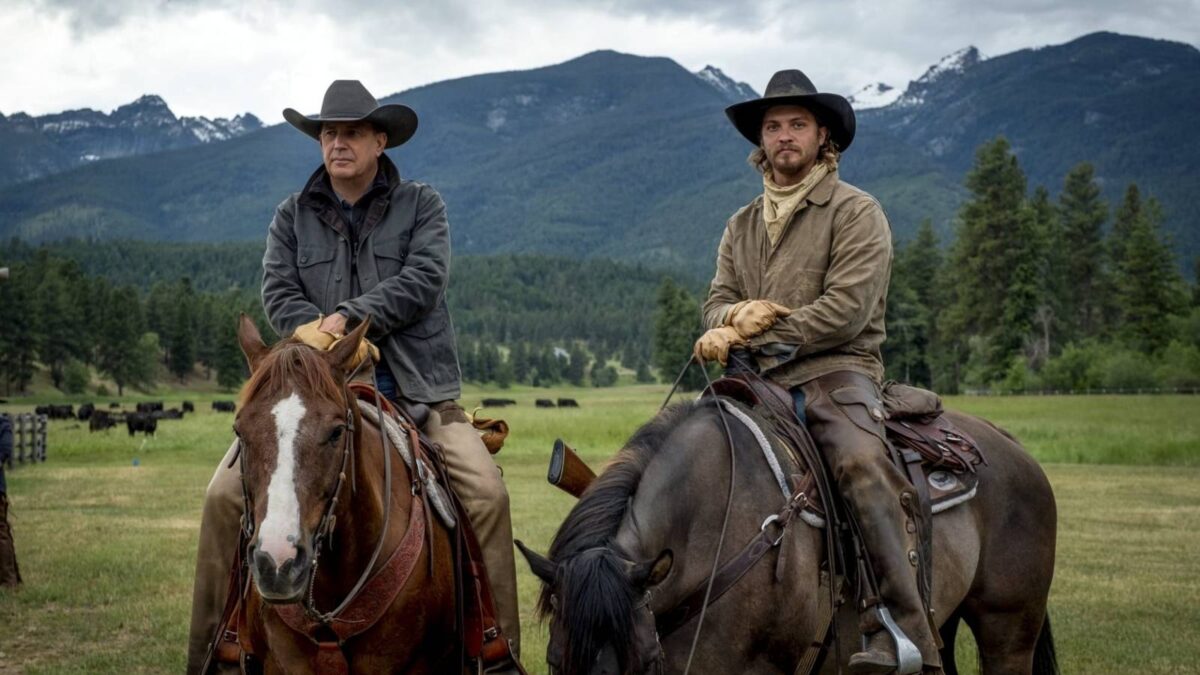
Original ‘Yellowstone’ Dutton Favorite Officially Confirms ‘Marshals’ Return Interest
Yellowstone jump-started a generation-spanning story that has so far spawned four spin-offs that are all interconnected by the Dutton bloodline. While creator Taylor Sheridan has since branched outside that saga with Tulsa King, Landman, Mayor of Kingstown, The Madison, and…
Sep 14, 2026
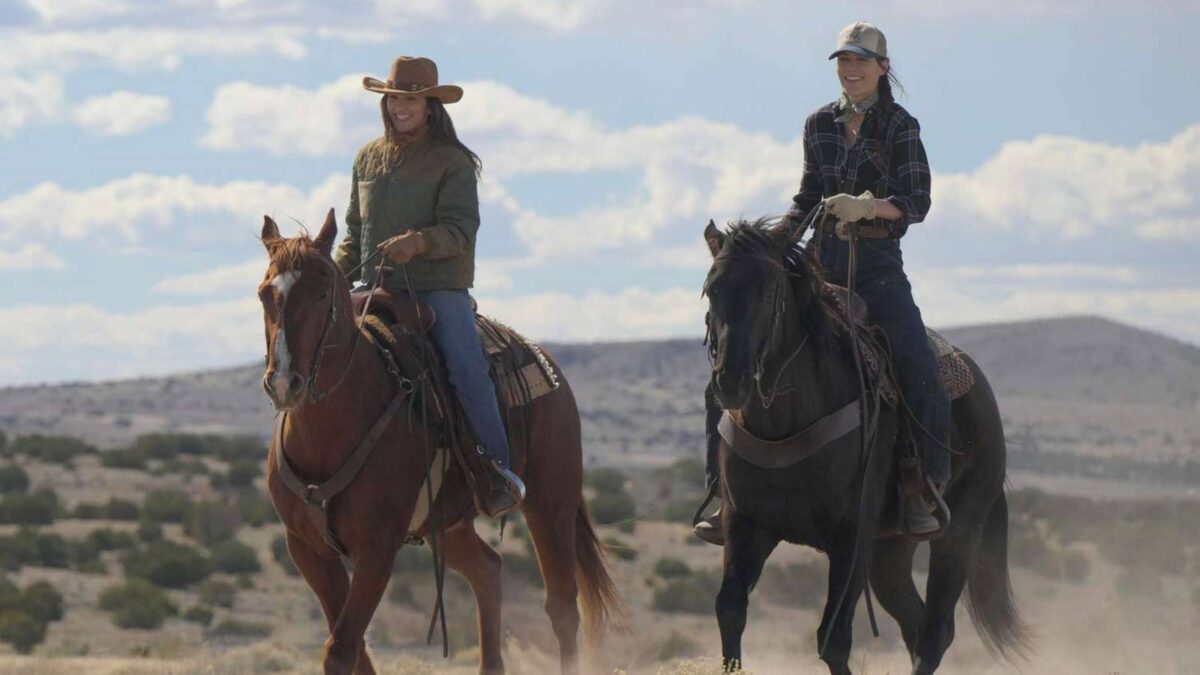
Netflix Officially Cancels Its 2-Part Taylor Sheridan Replacement Western
Netflix Published Sep 12, 2026, 10:30 AM EDT Omar is an experienced editor and writer who sees life and storytelling as one and the same — there’s always a story to tell. He’s helped shape features, headlines, and coverage across movies,…
Sep 13, 2026
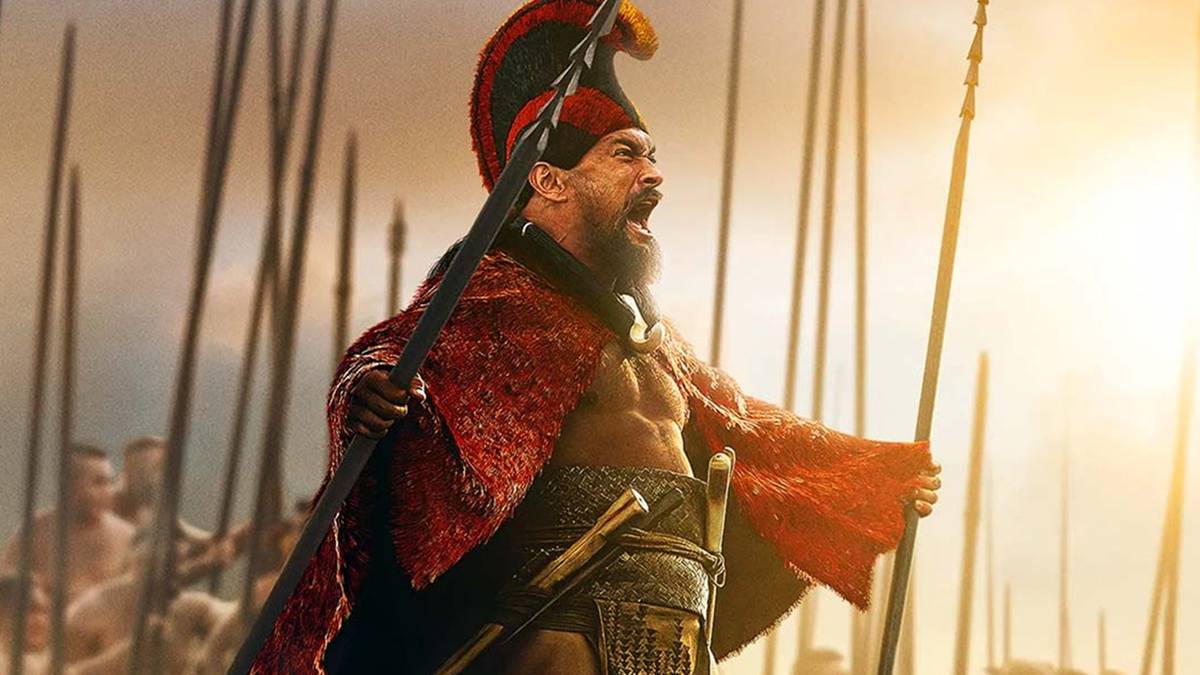
Jason Momoa’s Epic Historical Action Thriller Officially Getting New Release
Apple TV has established itself as a rising force in streaming entertainment. From Silo and Dark Matter to Pluribus and Ted Lasso, there is something for everyone, and not only that, but a ton of huge star power at the…
Sep 12, 2026