Oppenheimer Review | Flickreel
Jul 20, 2023
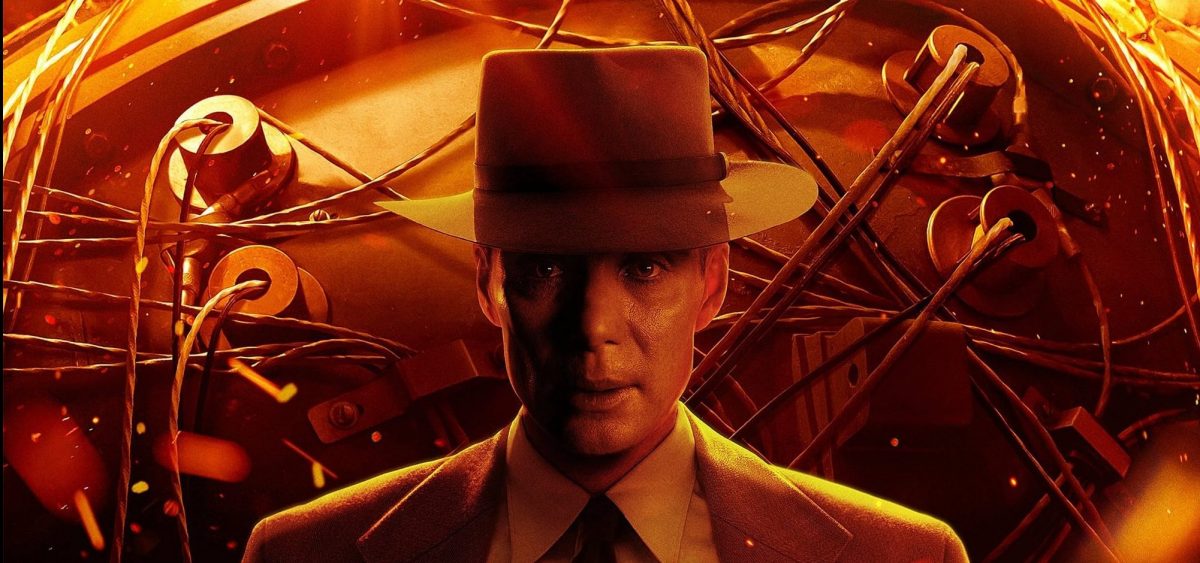
We go into every Christopher Nolan movie expecting a major set piece that defines “cinema.” The truck flip in The Dark Knight and the rotating hallway in Inception come to mind. In Oppenheimer, the defining set piece is an explosion. This sounds straightforward for Nolan, especially since we’ve seen so many explosions in movies that we’re desensitized to them. This is the first explosion in a long time, though, where we feel the gravitas. Part of that’s because Nolan executes it practically. The real reason, though, is that we sense another explosion brewing within our titular character. After the explosion comes the aftershock, which is where the real meat of this story lies.
Nolan regular Cillian Murphy has given one riveting performance after another, but he’s struggled to shake his underappreciated status. In that sense, he’s the perfect candidate to play J. Robert Oppenheimer. Although Oppenheimer is a brilliant theoretical physicist, few consider him qualified to oversee the lab on a program that’ll come to be known as the Manhattan Project. That’s largely why General Leslie Groves (Matt Damon) places his faith in Oppenheimer. While the ambitious Oppenheimer is determined to make a name for himself, his Jewish heritage gives him a personal stake in bringing down Hitler. Of course, the atomic bomb is ultimately dropped in Japan.
Even when the Führer is out of the picture, Oppenheimer feels the bomb must be completed. This is primarily to ensure America’s victory, but the project also might be feeding into Oppenheimer’s ego. He needs the world to see what he’s accomplished. It isn’t until the bomb is dropped, however, that he begins to grasp the full impact. If Oppenheimer could rewrite history, chances are he’d still probably make the bomb. Yet, there will always be a part of him that looks back with uncertainty. Whether or not he made the right choice, Oppenheimer would likely attest that the bomb shouldn’t be a last resort, not the new norm.
Oppenheimer is Nolan’s most dialogue-heavy film with the characters spouting scientific jargon a mile a minute. While this is interesting, the film would essentially be a college lecture if we didn’t feel the human conflict. Murphy gets this across not through Nolan’s tech talk, but through the emotional turmoil he keeps beneath the surface. A more conventional movie would end with Oppenheimer delivering the bomb, ending a war, and being hailed as an American hero. This film keeps going, though, as Oppenheimer comes to grips with his creation. Although we see one crucial explosion, Nolan wisely avoids showing what happened in Hiroshima and Nagasaki. Oppenheimer can still envision the horrific imagery, however. As World War II ends, Oppenheimer goes to war with himself. This character study is what sticks with us, almost making the explosion seem like an afterthought.
The film is just as much a courtroom drama with Oppenheimer’s communist ties coming back to haunt him during the Red Scare. Leading the vendetta against him is Lewis Strauss, played by Robert Downey Jr. in a Best Supporting Actor caliber performance. Oppenheimer is resolute about fighting the accusations against him, although he knows the system is rigged. In that sense, Oppenheimer might welcome the punishment as a form of karma. Nolan doesn’t glamorize Oppenheimer as an unsung hero, but he doesn’t glorify him as a martyr either. He’s just a man who expertly executed the job he was enlisted for and isn’t sure how to feel about it.
Along with Murphy and Downey Jr., Nolan enlists a revolving door of character actors, Oscar winners, and Oscar-winning character actors. Florence Pugh is a standout as Jean Tatlock, who awakens Oppenheimer politically and sexually. Emily Blunt is equally powerful as Kitty Oppenheimer, his faithful yet outspoken wife. On a technical level, Oppenheimer is draped in everything we’ve come to associate with Nolan: arresting cinematography, sound design that hits in all the right places, and a commanding musical score from Ludwig Göransson. Oppenheimer may very well be Nolan’s masterpiece. That’s not to say it’s his best film. After all, this guy also made The Dark Knight, Inception, and Memento. Thematically and technically, though, it’s as if Nolan is a bomb that’s igniting like never before, revealing the scope of his genius.
Publisher: Source link







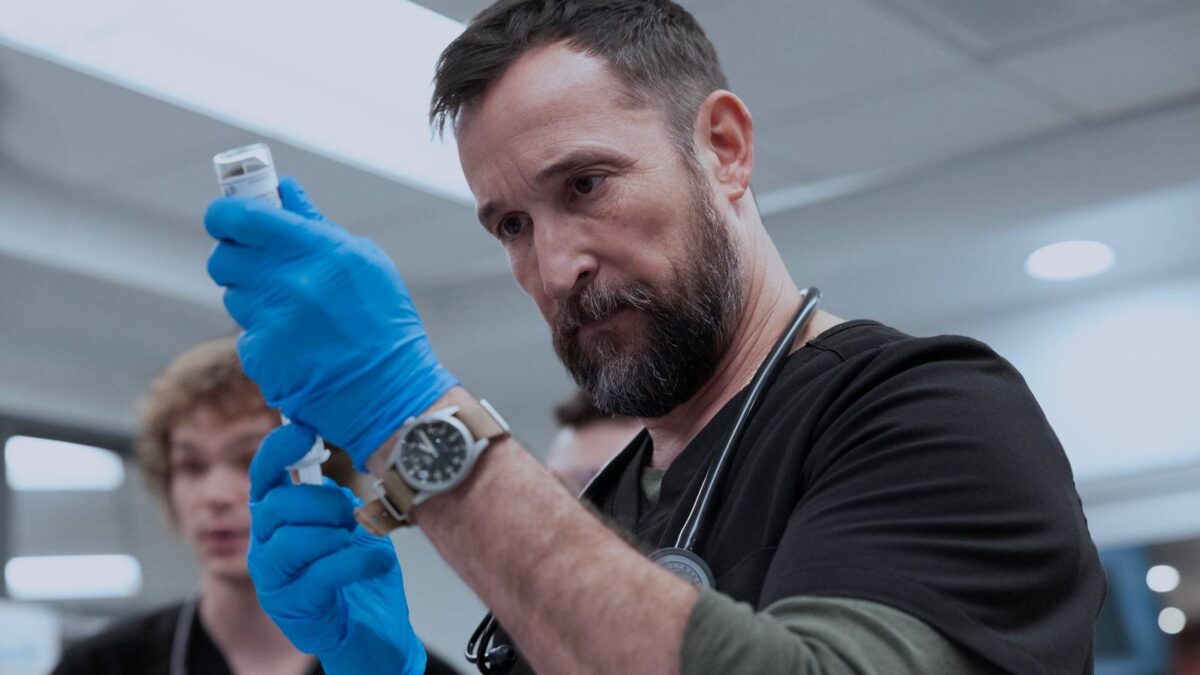
‘The Pitt’ Star Noah Wyle Teases Season 3 Time Jump & Winter Setting
As The Pitt heads toward an even final few episodes for Season 2, the stage is already being set for the upcoming third season. The star in front and behind the camera has revealed new details about what audiences should…
Apr 11, 2026
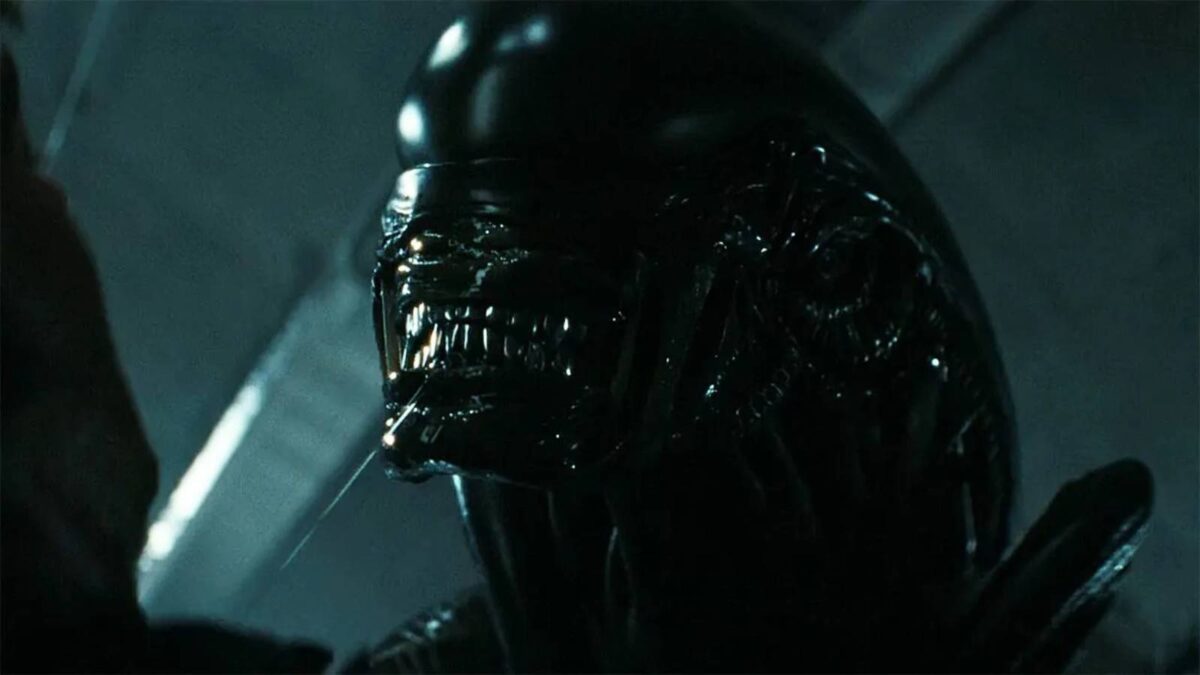
Earth’ Season 2 Casts Peter Dinklage as Series Regular
While screenwriter, television showrunner, and director Noah Hawley is already lining up his next feature film project, that seemingly hasn't stopped developments on the second season of Alien: Earth. The series, which premiered on FX last year, was a project…
Apr 10, 2026

‘Foundation’s Lee Pace Teases Even “Bigger” Story in Season 4
The return of Apple TV’s critically acclaimed, yet somehow still sorely underrated, three-part science fiction epic has just been given the perfect hype, with a returning star not only offering a production update but also calling the next outing “bigger”…
Apr 9, 2026

‘Star Wars: Maul – Shadow Lord’ Is the Perfect Jumping-on Point for Newcomers [Exclusive]
Lucasfilm and Disney are jumping back into the animated Star Wars universe with the release of Star Wars: Maul — Shadow Lord, centered on Sam Witwer's iconic animated Sith villain. Spinning off from Star Wars: The Clone Wars, Shadow Lord…
Apr 8, 2026