Pablo Larraín’s Saccharine Biopic Starring Angelina Jolie Does Maria Callas A Disservice [Venice]
Aug 29, 2024
Why must talented women die of a broken heart? The myth goes that it was heartbreak that killed Amy Winehouse, Judy Garland, Edith Piaf, and countless more women who once vibrated with rare genius but whose emotional ache led to lonely, tragic deaths. Pablo Larraín’s “Maria” does very little to dispel this myth.
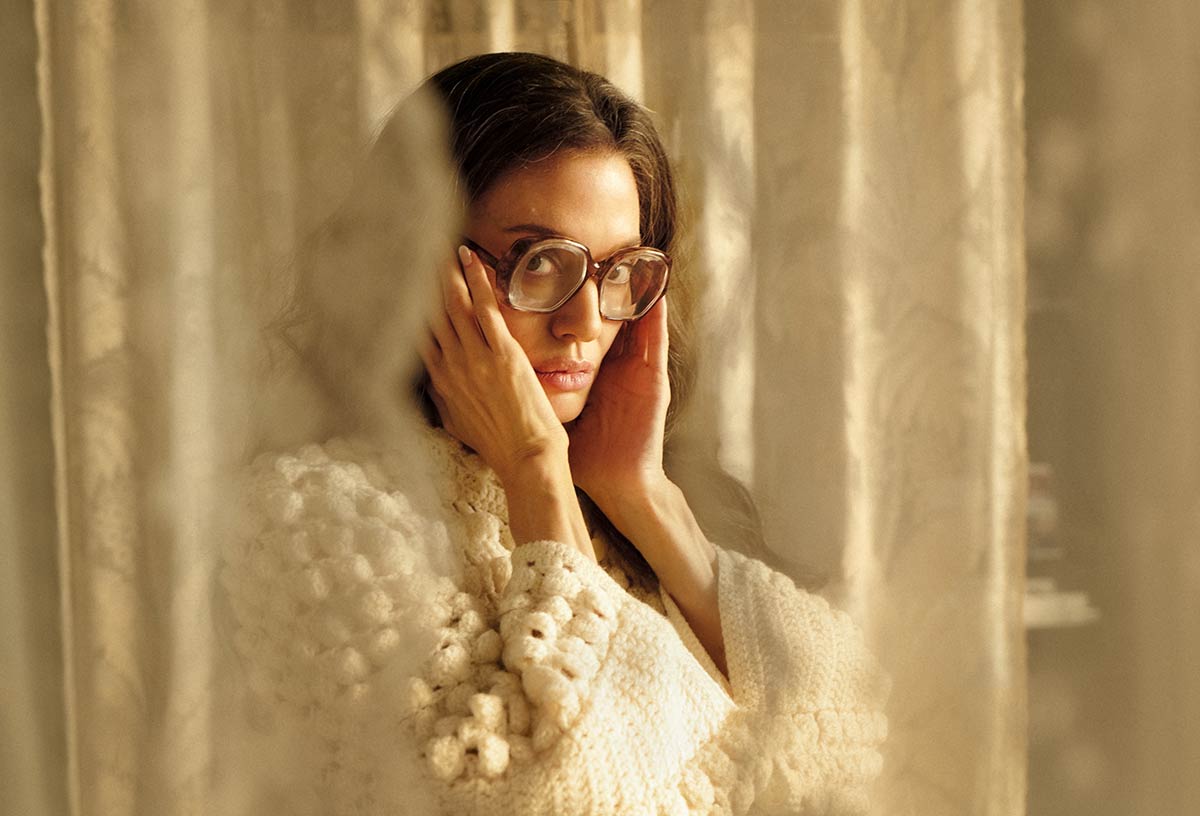
If “Jackie” and “Spencer” saw the Chilean director try his hand at vastly well-known stories about vastly well-known women, the final entry in his trilogy of biopics tackles a tale less familiar to general audiences. This is the story of Maria Callas (Angelina Jolie), one of the greatest opera singers of all time, who died of heart failure aged 53 in her Paris apartment. It is there that Larraín first finds her, emerging out of her bedroom in an intricate handmade white gown like a beautiful ghost hunting the large rooms of her French quarters.
READ MORE: Venice 2024 Film Festival Preview: 15 Must-See Movies To Watch
She shares such quarters with two paid companions, housemaid Bruna (Alba Rohrwacher) and butler Feruccio (Pierfrancersco Favino). Despite the transactional element of the relationship, it is the duo who steps in to fulfill a familial role in the singer’s life once the bright lights of theatres and soirées dim. Bruna gently flips omelets she knows her madam won’t eat, just as Feruccio moves a large piano from one window to another, knowing his madam won’t play. Still, the two dutifully play their parts, well too aware not to disturb the delicate rhythms of Callas’s flimsy routine as she spends her days in mourning for the precocious loss of her voice.
“Maria” marks Larraín’s first biopic about a woman who became famous in her own right instead of through a relationship with a man. Yet, out of the three films, it is the one most unwilling to detach its subject’s anguish from the demise of a romantic relationship. Fashioned after the classic opera structure, the film is told in three parts, with Aristoteles Onassis (Haluk Bilginer) introduced halfway through Act I. Their meeting marks the first time the singer finds a match in confidence, the old Greek-Argentinian magnate all too conscious of how he compensates for how little he can offer in looks with how much he can offer when it comes to indulgent pleasures. A decade later, in a heavily publicized scandal, Onassis left Maria to marry another of Larraín’s muses, Jackie Kennedy.
It is that first meeting with the tycoon and the few words exchanged in the corner of a buzzy ballroom that guide most of what comes next. Stephen Knight’s painfully expository script does away with any semblance of subtlety to repeatedly emphasize how Onassis defined Maria’s life and career from the moment the two decided to leave their spouses to legitimize a highly controversial affair. It is a counterproductive framing given that “Maria” is presented as an elegy to a woman misrepresented both in life and death and, most of all, a chance to change a narrative cemented for almost half a century.
Alas, Larraín does no such thing. The director’s reunion with the “Spencer” scriptwriter is filled with the same structural flares of their previous collaboration but altogether void of the precise seesawing between joy and sorrow that makes for good melodrama. By creating — and persisting — on this on-the-nose parallel between the tragedy of opera and the one of Callas’s life, the duo sees this woman solely through the tragic value of her woes, denying her talent and her craft from the light that is true human connection, built not only through shared griefs but the deep understanding of one another that only great art can promote.
Plus, while “Spencer” is shot by the great Claire Mathon with an exquisite understanding of claustrophobia and the desperation that comes from a sustained sense of entrapment, “Maria” is visually told through the vastness. “El Conde” cinematographer Ed Lachman captures the singer against the magnitude of great theatres and piazzas; this woman is made to look even smaller and more fragile when juxtaposed against the all-encompassing nature of such spaces. Like in “Jackie,” Larraín finds in journalism a way to structure the first-person telling of the story, with an uninspired Kodi Smith McPhee introduced as a ludicrous human embodiment of Mandrax, the highly addictive sedative drug ruining Maria’s body from within. The human Mandrax is, of course, a journalist whose primary preoccupation is to prod at his subject’s thorny romance with Onassis and open the can of worms that is the most contentious relationship in Maria’s life: the one with her abusive mother.
These surrealist sequences, mostly shot in frenzied handheld, at least disturb the placid fashion advert aesthetics that permeate most of “Maria.” Jolie’s leading performance is just as stoic, the famed actress far too recognizable as Angelina Jolie to fully melt into Maria Callas. It is a turn swathed in tangible self-consciousness, delivered by an actress far too aware of the camera. The Oscar-winner is at her best whenever playing against Favino, who imbues Callas’s loyal butler and friend with such heartfelt gentleness. It allows Jolie to respond in kind, and their relationship is playful and nurturing at once.
Get the latest news, reviews, interviews, and podcasts from The Playlist Team right in your Inbox. Sign up for The Playlist Newsletter today.
It is a shame that “Maria” decides to focus on those who caused Callas’ pain instead of those who helped her find a true sense of compassion. Larraín is far too enamored with a predictable saccharine climax to see the life of the singer in its true tragedy, that of a woman forced to conform to oppressive beauty standards that would come to ruin her most cherished treasure. If one is to draw metaphors about heartbreak to describe Callas’s demise, be it to reiterate that it was the loss of her voice, history-making in its magnificence, that truly broke her heart. [C+]
Follow along with all our coverage of the 2024 Venice Film Festival.
Publisher: Source link


Paramount+ Renews ‘Criminal Minds: Evolution’ for Season 19
The start of its new season is still weeks away, but fans of Criminal Minds: Evolution won't have to wait that long to learn the fate of the long-running hit crime procedural. Execs at Paramount+ have already decided what the…
Mar 27, 2026
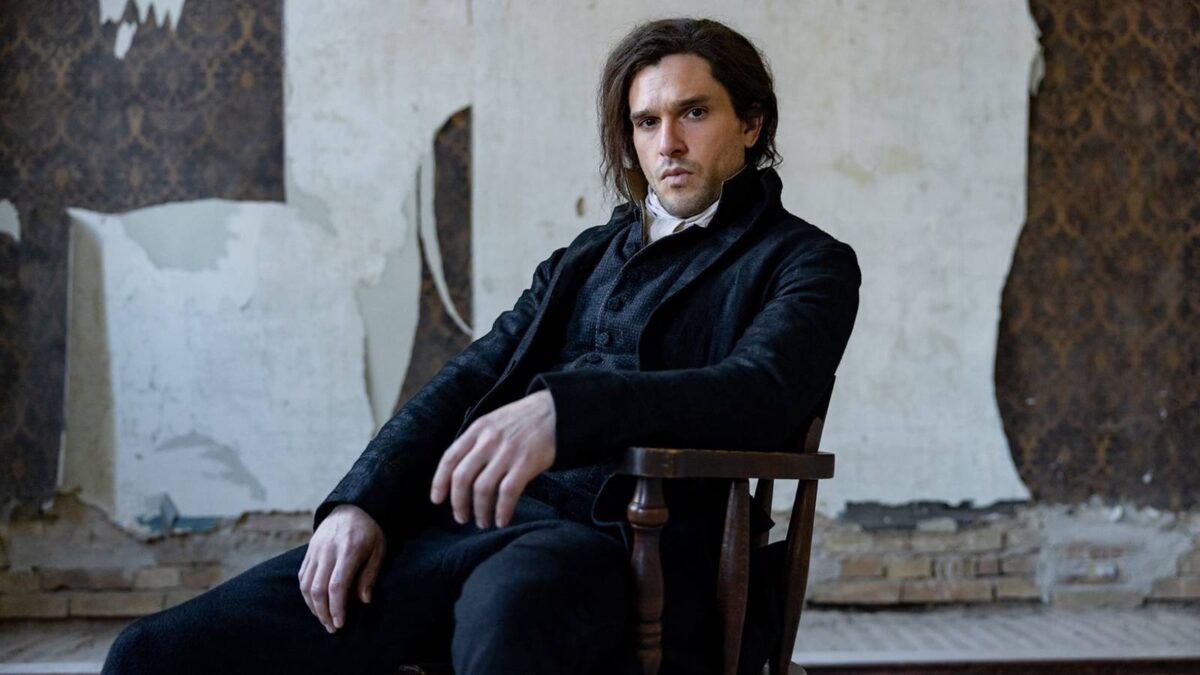
‘A Tale of Two Cities’ First Look Reveals Kit Harington in MGM+ Series
The BBC and MGM+ are teaming up with a new four-part limited series adaptation of Charles Dickens' classic 1859 novel A Tale of Two Cities. Game of Thrones veteran Kit Harington will play Sydney Carton, a cynical English lawyer who…
Mar 26, 2026
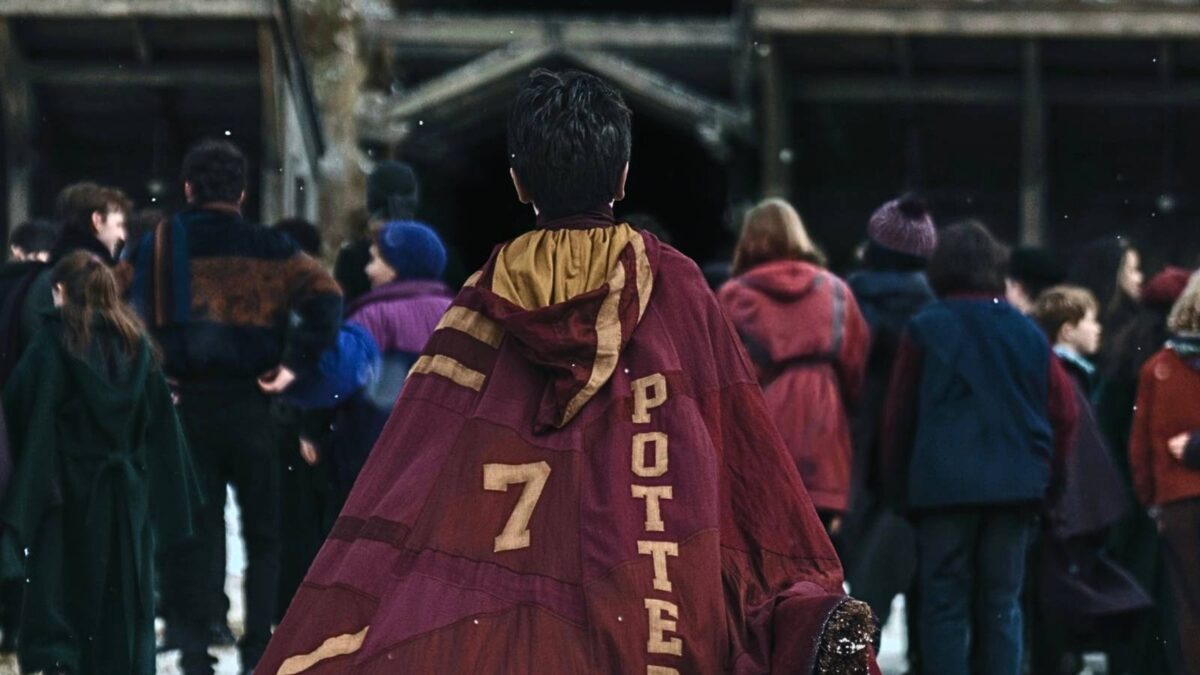
HBO ‘Harry Potter’ Series Image Reveals Dominic McLaughlin in Title Role
The first official look at HBO's upcoming reboot of Harry Potter has finally arrived, and it is already teasing a magical trailer release. As we inch closer to the show's expected 2027 release, the network has begun to reveal more…
Mar 25, 2026
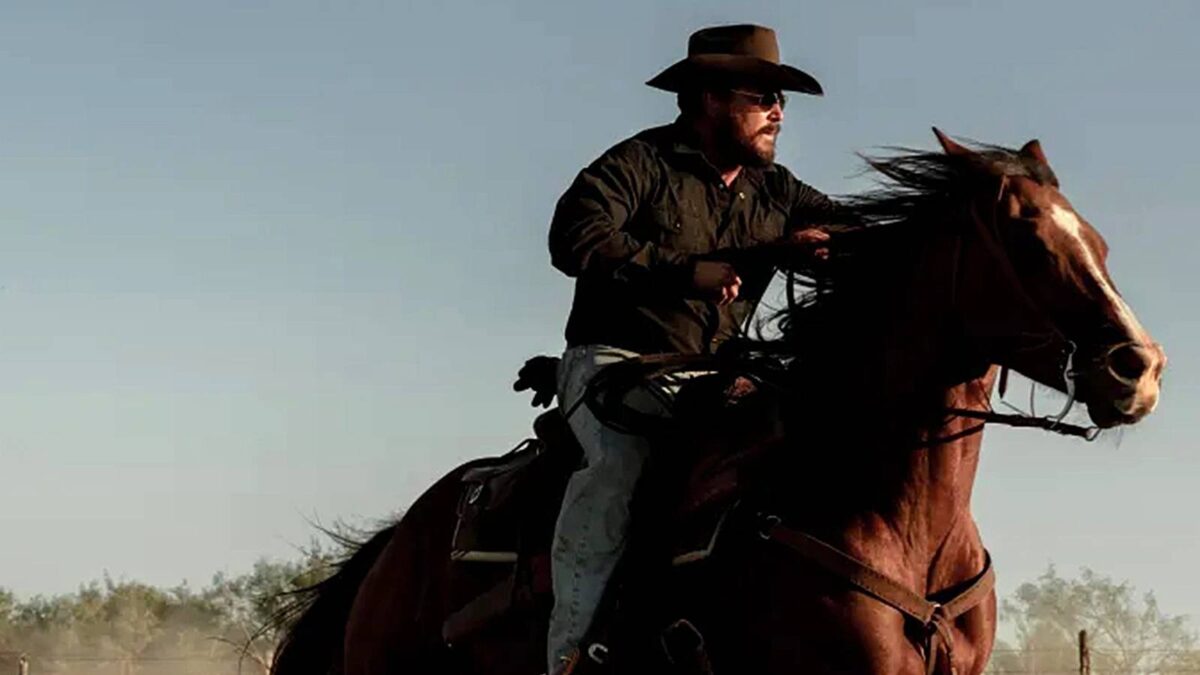
‘Dutton Ranch’ Trailer Reveals ‘Yellowstone’ Sequel Release Date
Rip Wheeler and Beth Dutton gamble everything on a new life in South Texas in the first trailer for the Yellowstone spin-off, Dutton Ranch. The footage reveals all manner of gun fights, fist fights, explosions, galloping horses, and even mysterious…
Mar 24, 2026