Rivalry Rock Doc Is Still Captivating, But Evolves & Demystifies The Fable Of F’d Up, Tortured Artist
Feb 6, 2024
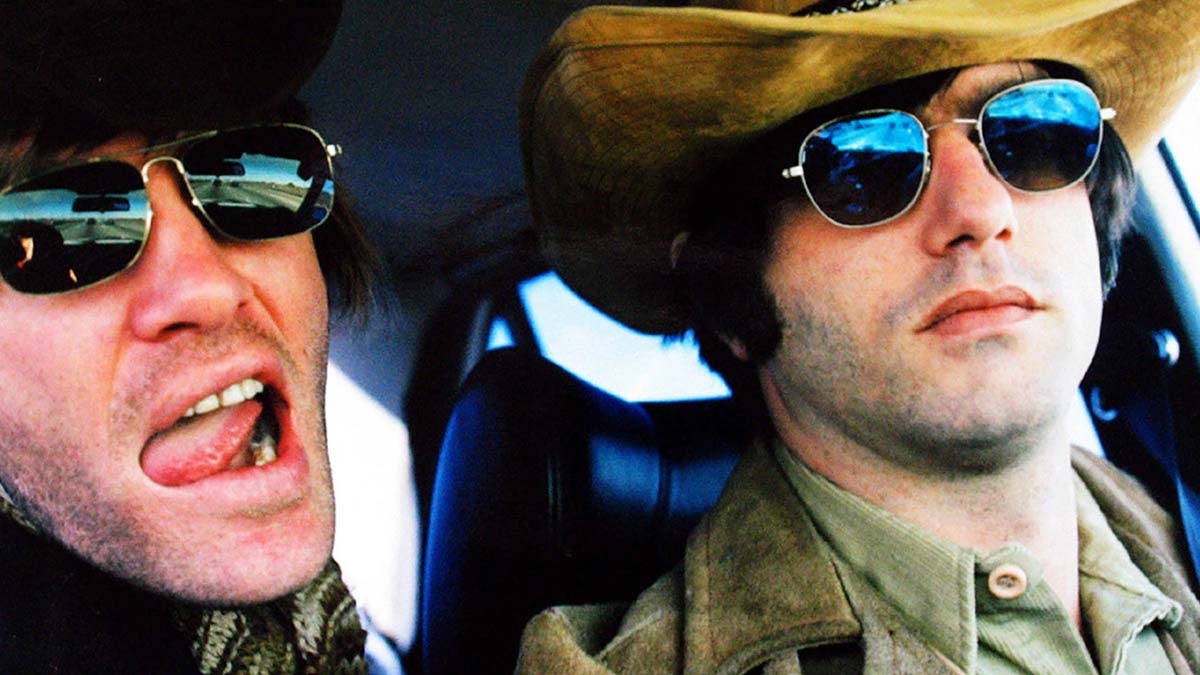
Twenty years ago, Ondi Timoner’s rock doc “Dig!” the wildly entertaining, sensationalistic portrait of the dysfunctional indie rock bands the Brian Jonestown Massacre and The Dandy Warhols and their strange love/hate relationship and rivalry, was a smash hit, at least critically, winning the Sundance Prize Grandy Jury Prize for Best Documentary and squarely landing the filmmaker on the map. The new expanded version, “Dig! XX,” nearly 2.5 hours in length and 40 minutes longer than the original, is presented—at least at Sundance 2024— with a contextual intro by Foo Fighter Dave Grohl for newcomers attesting to how influential and authentic the doc was at the time and remains now (he calls it the greatest music documentary ever made and says it captured life as a rock band on the road like no other).
READ MORE: Sundance 2024: The 23 Most Anticipated Movies To Watch
Seven years in the making, culled from 2,500 hours of footage, “Dig!” was always deeply compelling, a fascinating portrait of rockstar ambition, toxic, tumultuous friendship, artistic integrity and rivalry, self-sabotage, and the mixed feelings about success that only complicated self-defeating musicians who grew up with punk rock ethos could have (imagine any other vocation in the world where being successful is something to be embarrassed about; god we so dumb back then). And while “Dig! XX,” refashioned by taking some of its cues from the original five-hour rough cut, is still super captivating, always centered on the drama and conflict between the two bands, and perhaps balancing the group perspectives a little bit better, it’s arguable as to whether it’s superior. And regardless, it plays much differently now.
For deeper context, for anyone who may have actually not seen it, “Dig!” tracked the ascending trajectory of two rising bands on the verge, peers and friends, at least initially. One is The Dandy Warhols, the Portland-based Bohemian throwback rockers led by Courtney Taylor-Taylor with Peter Holmström, Zia McCabe, and then–drummer Brent DeBoer, ambitious, egotistical, into hedonistic sex, drugs, and rock n’ roll, but not without a serious work ethic for seriously catchy, though sardonic, tunes. The other is The Brian Jonestown Massacre, a more chaotic neo-psychedelic ‘60s-based throwback band, mixing the Stones, The Beatles, and LSD into a mystic reverie of hypnotic rock led by the mercurial and unpredictable Anton Newcombe, known to some as a genius, a prophet or a Charles Manson-like a maniac and maybe all three.
“Dig” charted the like-minded, mutually admiring bands coming up simultaneously but following two different paths. Both groups were effortlessly cool, the Dandys essentially the poster band for cocky, skinny-jean hipsters in the ’90s, but being in the presence of the sheer, uncut wildness of the Jonestown Massacre even made the haughty rockers regress to high school-like-insecurity. While the Warhols initially struggled on a major label (Capitol Records, who mostly gave up on them when they didn’t immediately chart with radio and music videos), they eventually took off in Europe and abroad and toured the world to modest success. Led by the maladaptive, self-destructive Newcombe and an ever-revolving number of bandmates that could only tolerate his dysregulated antics for so long, while many saw the Brian Jonestown Massacre as the superior, more artistically pure group—including the always-awed-of-their-talent Dandys frontman Taylor-Taylor—the band mostly floundered and never fulfilled their promise. Every opportunity squandered, every chance ruined, seemingly on purpose by Newcombe, who was essentially profoundly jealous of the Dandy’s success while constantly mocking any of their commercial aspirations (primarily out of bitter envy, but there’s still an undeniable creative purity to him; a man of many confounding paradoxes). “Dig!” also documented—arguably exaggerated and some might say manufactured—what essentially became a competitive enmity between the two groups. But the in-retrospect nature of “Dig! XX” is everything and really recontextualizes the entire affair, essentially just portraying Newcombe as envious and childish, stalking and badgering the Dandys, who occasionally responded to the aggressions out of frustration.
And this is how “Dig! XX” has changed or is different, not so much in the presentation of the film—which largely remains the same, more or less— but in your estimation of it and the people within it. Twenty years ago, many of us (some of whom were rock critics at the time, i.e., this guy) marveled in delight at the mad genius of Newcombe and the hilarity and wildness of the shocking, provocative antics within.
Experienced now with hindsight, age, and maybe even a little wisdom, even with a narrative that tries to give the Brian Jonestown Massacre a fairer shake, it’s hard to find a generous or even mildly sympathetic assessment of the band. Newcombe appears with stark clarity now: a narcissistic, unhinged sociopath and sad, desperate figure, and to say his nasty and autocratic behavior has aged poorly is the year’s understatement in rock (no, we haven’t gotten old and boring; the world finally woke up to realizing horribly sh*tty behavior was that just that and not entertaining).
For one, “Dig! XX” adds a new narration that feels mostly unnecessary. The original was primarily told from the perspective of Dandy Warhol songwriter Taylor-Taylor, who narrated the original doc, perhaps leaving it slightly one-sided. “Dig! XX” adds a new second narration from BJM member Joel Gion, who has the benefit of time and reflection. But given the band member was always kind of an annoying clown who always played simp-ish, sycophantic foil to Newcombe’s jackassery—a hapless, third-wheel tambourine player who is more court jester than anything— and can’t really defend any of his leader’s action. It’s not like he provides much portrait balance between the two bands, other than some behind-the-scenes context of why his bandmate is such a psychopathic nightmare of a human being (he appears so painfully buffoonish on a second round; it’s hard to be charitable to him, to be honest). And yes, substance abuse is a problem for many of the groups, but it’s difficult to see a scenario where someone like Newcombe would be even marginally compassionate as a drug-free person.
To that end, it’s unclear how self-aware “Dig! XX” is to how it has changed. “Dig!” always framed Newcombe’s self-defeatism as his artisanally unalloyed allergy to the commodification of art—his self-serving sermons always leaned on this excuse— when the truth is he would have imploded no matter what.
“Dig! XX” also elucidates a social dynamic further emphasized in the new cut. The Dandy Warhols, particularly Taylor-Taylor, were always preening, conceited, too-cool-for-school assholes. But BJM is so much worse. They not only end up giving the Dandys a taste of their own medicine and putting them in their place, but Newcombe is so cruel and disturbed that he ends up engendering empathy for his counterparts and humanizing them as anguished humans wounded by behavior that crosses a line, even for maladjusted rock stars.
If there’s one major takeaway—other than TVT Records’ similarly self-satisfied and amusing over-estimation of how massive the Brian Jonestown Massacre would become (spoiler alert: not even close)—it’s that of perspective. “Dig!” was always a tale of two artistic paths taken and two destinies forged. But “Dig! XX,” while arguably unintentionally illuminating, reads much more like cautionary tale about messianic shitheads who believe their own hype to the degree they believe it allows them a free pass to treat people like garbage. Maybe because of its place in time in culture, “Dig!’ arguably feted the authenticity of mad-Mozart-esque virtuosity and slandered the Dandys as lesser-than and less legitimate because they weren’t as dangerous, weren’t as rock and roll volatile as the riotously creative as BJM and Newcombe. “Dig! XX,” however, consciously or not, starkly demystifies the f*cked-up tortured artist fairytale. Because in a Blur Vs. Oasis-like mode of toxic competition and rivalry, it’s always the bigger assholes who always lose to history in the end. [A-]
Follow along for all our coverage of the 2024 Sundance Film Festival.
Publisher: Source link





The Last Airbender’ Season 2 Release Date Announced by Netflix
In February 2024, Avatar: The Last Airbender got its first chance to shine in a live-action format, as a live-action reboot debuted on Netflix after years of utilizing an animated setting. Starring Gordon Cormier as the titular Avatar Aang, next…
Apr 2, 2026
‘Agent From Above’ Images Tease This Week’s Release of Netflix Action Fantasy Series
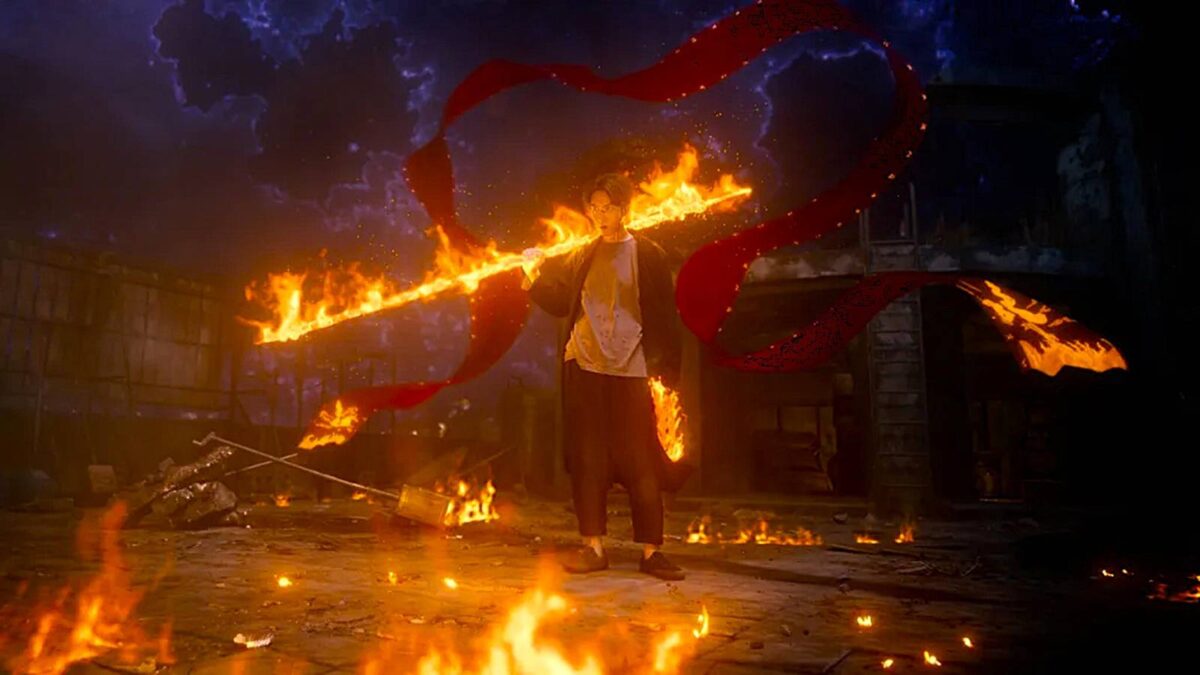
In anticipation of its long-awaited debut this week, Netflix has revealed several new images from the streamer’s most ambitious action fantasy epic series. Nearly a decade after it was first announced, the popular streaming platform is hoping all that effort…
Apr 1, 2026
Maul – Shadow Lord’ Will Use Draw From George Lucas’ Original Plans for the Character
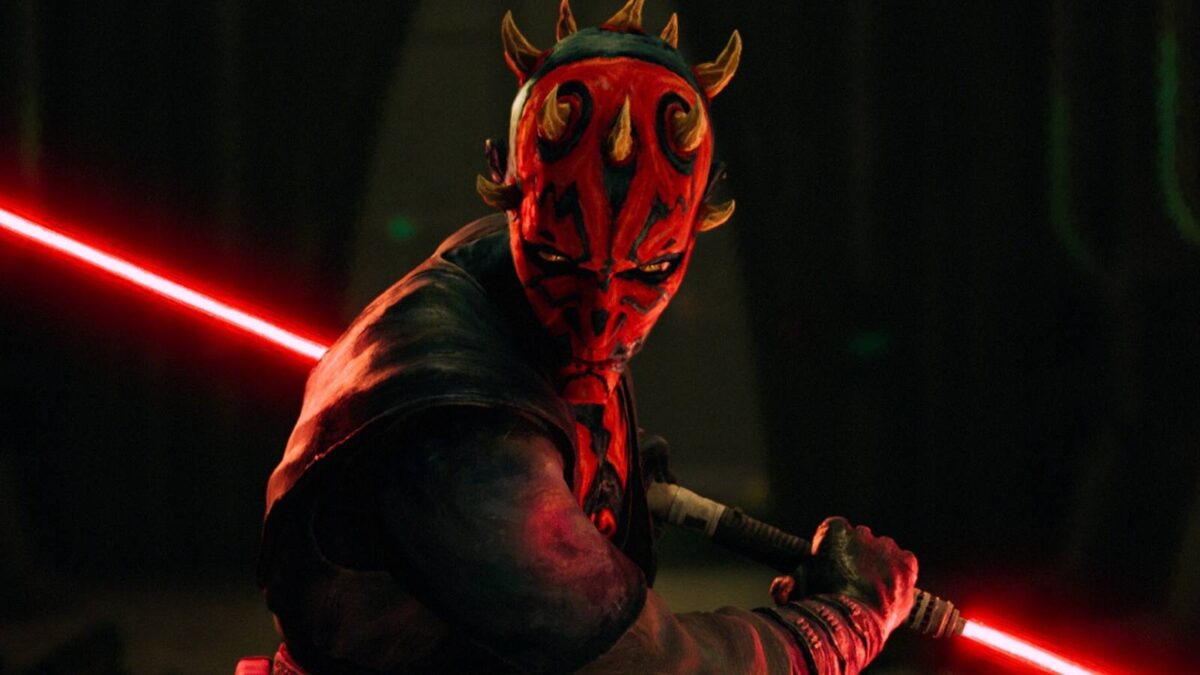
It sounds like Star Wars: Maul — Shadow Lord will revisit some of George Lucas' original ideas for Darth Maul before he sold Lucasfilm to Disney. Introduced in 1999's The Phantom Menace, Maul became an instantly iconic and recognizable character…
Mar 31, 2026
Ron Perlman Explains How His Role as Super Mutant in ‘Fallout’ Came to Be
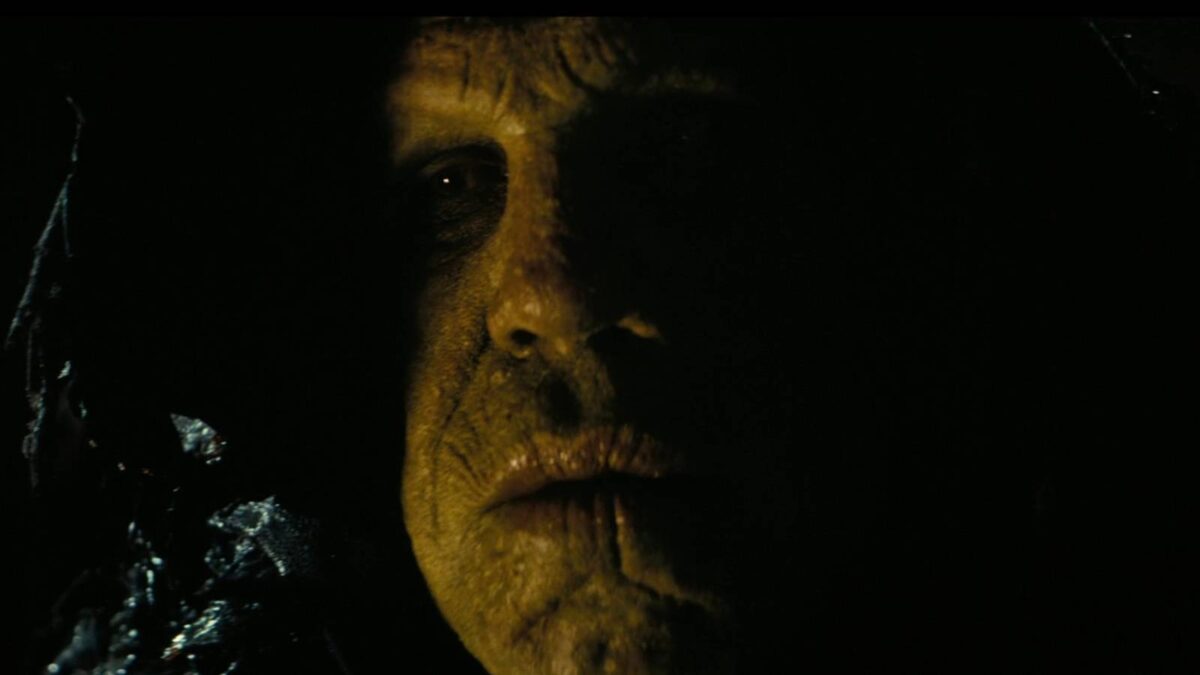
Ron Perlman has a long list of impressive credits on his resume, including his fan-favorite portrayal of Hellboy in a pair of movies from 2004 and 2008. He also has a long history in video games, thanks to his work…
Mar 30, 2026