Sisu: Road to Revenge Review: A Blood-Soaked Homecoming
Dec 7, 2025
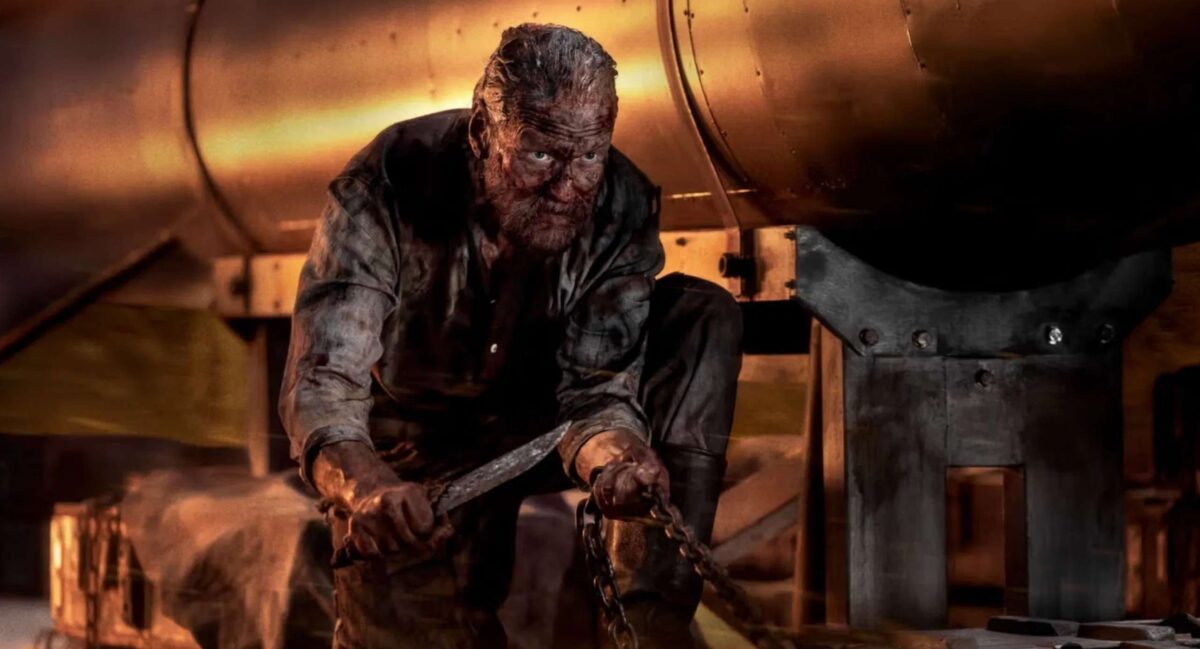
Sisu: Road to Revenge arrives as a bruising, unflinching continuation of Aatami Korpi’s saga—one that embraces the mythic brutality of the original film while pushing its protagonist into a story shaped as much by grief and remembrance as by violence. The 2022 cult hit Sisu carved out its place in the pulp-action canon with bold, savage energy; the sequel honors that legacy but takes it in a more reflective, character-driven direction without sacrificing the visceral mayhem audiences expect. With Jorma Tommila returning as the indomitable Aatami Korpi and Stephen Lang and Richard Brake joining the cast as imposing new threats, Helander crafts a war action sequel that’s gritty, relentless, often absurdly entertaining, and unexpectedly emotional.
Set in 1946, the film follows Korpi as he returns to Soviet-occupied Karelia, stepping back onto the soil where the worst trauma of his life took place. His family’s murder at the hands of Red Army forces is no mystery; the killer, Igor Draganov (Stephen Lang), still lives, still serves, and still carries the arrogance of a man who believes he left no unfinished business. In a grim act equal parts closure and renewal, Aatami dismantles his old family house and plans to rebuild it somewhere far from the shadow of occupation. But peace is a luxury he’s never been afforded, and the moment his presence is detected, the machinery of violence spins back to life.
A Ferocious Return to a Man Built from Pain:
Aatami Korpi has always been a man defined through action—silent, stoic, impenetrable. Yet in this sequel, director Jalmari Helander uses that silence differently. Rather than letting Korpi’s mystique stand alone, the film fills the gaps around him with memory, loss, and a growing sense of inevitability. The opening scenes are among the most somber of either film, painting Korpi as not only a survivor, but a man carrying the last pieces of a life destroyed by those who now close in around him again. Tommila brings a haunting weight to the role; the actor proves once more that very few performers can communicate so much with so few words. Every glance, every breath, every restrained tremor tells the audience exactly what Korpi has lost—and what he’s prepared to do about it.
The setup is simple but potent: one man trying to reclaim not just a memory, but the dignity stolen from him by war. When the Red Army catches wind of Korpi’s return, the narrative snaps into a cat-and-mouse structure that escalates quickly. Stephen Lang’s Igor Draganov is not a reinvention of the war-villain archetype, but Lang plays him with a commanding, icy fury that makes him an excellent foil. He’s not afraid of Korpi; he’s insulted by the idea that this man is still alive, let alone defiant. That arrogance becomes the central engine of the conflict.
Action That Embraces Pulp, Pain, and Sheer Spectacle:
Like its predecessor, Sisu: Road to Revenge revels in brutal, inventive action set pieces, and Helander stages them with a confident, almost playful sense of escalation. Fans of the first film will find many familiar hallmarks: improvised weapons, impossible survival feats, bleak landscapes soaked in blood, and an unshakeable sense that Korpi is powered by equal parts skill, luck, and pure refusal to die. Yet the sequel never feels like a rehash; each sequence carries a slightly different flavor, whether grittier or more grotesquely humorous.
The violence is extreme, and deliberately so. But what keeps it from feeling numbing is the grounded emotional motivation behind it. Korpi’s quest isn’t about revenge in a traditional sense; it’s about survival of memory, of family, of self. The action sequences, for all their wildness, are anchored in that emotional truth, giving the film a weight the first one occasionally lacked. It’s still exaggerated, often absurd, but more meaningful.
A Broader World and a Heavier Story:
Where Sisu felt like a lean, stripped-down grindhouse experiment, Road to Revenge expands the scope—geographically, emotionally, and thematically. The Soviet occupation backdrop adds a political and historical layer that deepens the stakes without overwhelming the simplicity of the central narrative. You feel the tension of a country in flux, the fear and suspicion permeating every checkpoint and village, and the simmering anger left behind by wartime atrocities.
Helander handles these additions with surprising restraint. The film never transforms into a historical epic; it remains a gritty action vehicle first and foremost. Yet the infusion of pointed commentary—about loss, national identity, trauma, and resilience—gives the sequel a richer flavor. Even Draganov benefits from this expanded world, as Lang is given enough space to portray his character not only as a brute, but as someone shaped by the violent machinery he serves.
The pacing is also extremely quick, in a good way. It’s only about an hour and twenty minutes without the credits, and it absolutely blows by. It would’ve been nice to maybe add a little bit more to the narrative, but at the same time, extremely brisk and to-the-point movies are nice to see.
Overall:
By the time Road to Revenge barrels toward its conclusion, the film’s emotional throughline becomes unmistakably clear. Korpi is not just fighting for survival—he’s fighting for the right to remember, to mourn, and to build something that cannot simply be taken from him again. The finale is both punishing and strangely uplifting, offering a sense of closure while respecting the mythic shape of Aatami Korpi’s legend.
Jorma Tommila once again proves indispensable to the film’s success. Few action heroes today are as compellingly silent, as physically expressive, or as emotionally grounded. Stephen Lang’s performance elevates the antagonist role into something frighteningly human, and Richard Brake’s cold precision adds welcome tension to the pursuit.
Helander delivers the film fans hoped for: not necessarily bigger, but bolder—more emotionally ambitious, more grounded in character, and more confident in its blend of pulp and pathos. Though imperfect in pacing and occasionally heavy-handed in its thematic gestures, Sisu: Road to Revenge succeeds as a rugged, violent, unexpectedly moving tale of endurance.
Sisu: Road to Revenge Review: A Blood-Soaked Homecoming
Acting – 0/10
Cinematography/Visual Effects – 0/10
Plot/Screenplay – 0/10
Setting/Theme – 0/10
Watchability – 0/10
Rewatchability – 0/10
Summary
Like its predecessor, Sisu: Road to Revenge revels in brutal, inventive action set pieces, and Helander stages them with a confident, almost playful sense of escalation. Fans of the first film will find many familiar hallmarks: improvised weapons, impossible survival feats, bleak landscapes soaked in blood, and an unshakeable sense that Korpi is powered by equal parts skill, luck, and pure refusal to die. Yet the sequel never feels like a rehash; each sequence carries a slightly different flavor, whether grittier or more grotesquely humorous.
Pros
Jorma Tommila’s powerful, minimalist performance gives Aatami Korpi emotional depth while maintaining his mythic, stoic presence
Inventive, brutal action sequences that match the creativity and intensity of the first film while introducing new set pieces tied to Korpi’s emotional journey
Stephen Lang and Richard Brake elevate the antagonists, bringing presence, menace, and distinctive personalities that make the pursuit feel layered
Stronger emotional core than the original, with themes of grief, remembrance, and rebuilding woven naturally into the action
Cons
Some thematic beats feel overly emphasized, slightly reducing the raw simplicity that made Sisu so effective
Not as surprising as the original, since Korpi’s legendary survivability is already established
span,
.wp-review-1014324.wp-review-percentage-type .review-list li > span {
position: absolute;
top: 18px;
left: 25px;
color: #fff;
font-size: 14px;
line-height: 1;
}
.wp-review-1014324 .review-title,
.wp-review-1014324 .review-list li,
.wp-review-1014324 .review-list li:last-child {
border: none;
}
.wp-review-1014324 .review-links {
padding: 30px 30px 20px 30px;
width: 100%;
}
.wp-review-1014324.review-wrapper .review-total-wrapper .review-result-wrapper .review-result i,
.wp-review-1014324.review-wrapper .review-total-wrapper .review-result-wrapper i {
color: #fff;
opacity: 0.7;
}
.wp-review-1014324.review-wrapper .review-total-wrapper .review-result-wrapper .review-result i { opacity: 1; }
.wp-review-1014324.review-wrapper .review-pros-cons {
clear: both;
padding: 0;
border-bottom: 1px solid
}
.wp-review-1014324.review-wrapper .review-pros-cons > div > div {
padding: 10px 30px;
}
.wp-review-1014324.review-wrapper .review-pros-cons .review-pros,
.wp-review-1014324.review-wrapper .review-pros-cons .review-cons {
padding: 0;
}
.wp-review-1014324.review-wrapper .review-pros-cons .review-pros .mb-5 {
background: #000000;
padding: 10px 20px 10px 30px;
color: #fff;
}
.wp-review-1014324.review-wrapper .review-pros-cons .review-cons .mb-5 {
background: #c8dde6;
padding: 10px 20px 10px 30px;
color: rgba(0, 0, 0, 0.45);
}
.wp-review-1014324.review-wrapper .review-pros-cons .review-pros ul {
padding: 10px 0 30px;
margin: 0;
}
.wp-review-1014324.review-wrapper .review-pros-cons .review-pros .mb-5 + p {
padding: 10px 30px 30px 30px;
margin: 0;
}
.wp-review-1014324.review-wrapper .review-pros-cons .review-cons ul {
padding: 10px 0 30px;
margin: 0;
}
.wp-review-1014324.review-wrapper .review-pros-cons .review-cons .mb-5 + p {
padding: 10px 30px 30px 30px;
margin: 0;
}
.wp-review-1014324.review-wrapper .mb-5 {
text-transform: uppercase;
letter-spacing: 1px;
}
.wp-review-1014324 .user-review-area {
padding: 12px 30px;
border-bottom: 1px solid;
}
.wp-review-1014324 .wp-review-user-rating .review-result-wrapper .review-result {
letter-spacing: -1.85px;
}
.wp-review-1014324.review-wrapper .review-title {
border: none;
font-weight: 700;
padding: 12px 30px;
background: #f5f8f8;
letter-spacing: 1px;
border-bottom: 1px solid #c8dde6;
}
.wp-review-1014324.review-wrapper .review-total-wrapper {
margin: 30px 30px 30px;
color: #fff;
text-align: center;
background: #dd3333;
}
.wp-review-1014324.review-wrapper .review-total-wrapper .review-total-box h5 {
margin-bottom: 12px;
color: inherit;
}
.wp-review-1014324.review-wrapper.wp-review-circle-type .review-total-wrapper > .review-total-box {
display: block;
}
.wp-review-1014324.review-wrapper.wp-review-circle-type .review-total-wrapper > .review-total-box > div { display: none; }
.wp-review-1014324.review-wrapper.wp-review-circle-type .review-total-wrapper {
background: transparent;
color: inherit;
padding: 30px;
margin: 0;
min-height: 186px;
}
.wp-review-1014324.review-wrapper.wp-review-circle-type .review-total-wrapper .review-circle.review-total {
margin: 0 auto;
}
.wp-review-1014324.review-wrapper.wp-review-circle-type .user-total-wrapper .user-review-title {
border: 0;
margin-top: 0;
}
.wp-review-1014324.review-wrapper.wp-review-circle-type .user-review-area {
padding: 12px 30px;
}
.wp-review-1014324.review-wrapper .review-percentage .review-result-wrapper,
.wp-review-1014324.review-wrapper .review-percentage .review-result,
.wp-review-1014324.review-wrapper .review-point .review-result-wrapper,
.wp-review-1014324.review-wrapper .review-point .review-result {
box-shadow: inset 0px 0px 3px rgba(0,0,0,0.1);
height: 32px;
margin-bottom: 0;
background: #ddc1c1;
}
.wp-review-1014324.review-wrapper .review-total-wrapper .review-total-box {
padding: 0 30px;
line-height: 1.5;
text-align: center;
}
.wp-review-1014324.review-wrapper .review-total-wrapper .review-total-box small {
margin-top: 10px;
text-align: center;
font-weight: normal;
}
.wp-review-1014324.review-wrapper.wp-review-point-type .review-total-wrapper .review-total-box,
.wp-review-1014324.review-wrapper.wp-review-percentage-type .review-total-wrapper .review-total-box {
width: 100%;
}
.wp-review-1014324.review-wrapper .review-star.review-total {
color: #fff;
}
.wp-review-1014324.review-wrapper .user-review-title {
padding: 10px 30px;
color: inherit;
border-bottom: 1px solid #c8dde6;
}
.wp-review-1014324.review-wrapper .user-total-wrapper .user-review-title {
display: inline-block;
color: #000000;
padding: 0;
margin-top: 5px;
}
.wp-review-1014324.review-wrapper .reviewed-item {
padding: 30px;
}
.wp-review-1014324.review-wrapper .review-list {
overflow: hidden;
padding: 20px 15px 20px 15px;
border-bottom: 1px solid #c8dde6;
}
.wp-review-1014324.review-wrapper.wp-review-thumbs-type .review-list li { width: 100% }
.wp-review-1014324 .review-embed-code { padding: 10px 30px 30px; }
.wp-review-1014324.review-wrapper,
.wp-review-1014324 .review-title,
.wp-review-1014324 .review-list li,
.wp-review-1014324 .review-list li:last-child,
.wp-review-1014324 .user-review-area,
.wp-review-1014324 .reviewed-item,
.wp-review-1014324.review-wrapper .review-desc,
.wp-review-1014324 .review-links,
.wp-review-1014324 .wpr-user-features-rating,
.wp-review-1014324.review-wrapper .review-pros-cons {
border-color: #c8dde6;
}
.wp-review-1014324 .wpr-rating-accept-btn {
background: #dd3333;
background: linear-gradient(to top, #c62d2d 0%, #dd3333 100%);
border-radius: 50px;
border: 1px solid #c62d2d;
margin: 10px 30px;
width: -moz-calc(100% – 60px);
width: -webkit-calc(100% – 60px);
width: -o-calc(100% – 60px);
width: calc(100% – 60px);
}
@media screen and (max-width:480px) {
.wp-review-1014324.wp-review-star-type .review-list li:before { top: 30px; }
.wp-review-1014324.review-wrapper .review-title,
.wp-review-1014324.review-wrapper .reviewed-item,
.wp-review-1014324.review-wrapper .review-list li,
.wp-review-1014324.review-wrapper .review-desc,
.wp-review-1014324.review-wrapper .user-review-area,
.wp-review-1014324.review-wrapper .review-embed-code,
.wp-review-1014324.review-wrapper .user-review-title { padding: 15px; }
.wp-review-1014324.review-wrapper .review-pros-cons > div > div { padding: 15px; padding-top: 0; }
.wp-review-1014324.review-wrapper .review-list { padding: 0; }
.wp-review-1014324.review-wrapper .review-list li { width: 100%; }
.wp-review-1014324.review-wrapper .ui-tabs-nav { padding: 0 15px; }
.wp-review-1014324.review-wrapper .review-links { padding: 15px 15px 5px; }
.wp-review-1014324.wp-review-point-type .review-list li > span,
.wp-review-1014324.wp-review-percentage-type .review-list li > span { top: 15px; }
.wp-review-1014324.review-wrapper.wp-review-circle-type .user-review-area { padding: 10px 15px; }
.wp-review-1014324.review-wrapper .review-total-wrapper { width: 100%; margin: 0 0 15px; }
}
]]>
Acting
Cinematography/Visual Effects
Plot/Screenplay
Setting/Theme
Watchability
Rewatchability
Summary: Helander delivers the film fans hoped for: not necessarily bigger, but bolder—more emotionally ambitious, more grounded in character, and more confident in its blend of pulp and pathos. Though imperfect in pacing and occasionally heavy-handed in its thematic gestures, Sisu: Road to Revenge succeeds as a rugged, violent, unexpectedly moving tale of endurance.
3.6
Bloody Goodness
Publisher: Source link






![Born Again’ Stars Explain Why Bullseye Is So Dangerous in Season 2 [Exclusive]](https://www.filmibee.com/wp-content/uploads/2026/03/Born-Again-Stars-Explain-Why-Bullseye-Is-So-Dangerous-in-1200x675.jpg)
Born Again’ Stars Explain Why Bullseye Is So Dangerous in Season 2 [Exclusive]
Along with Charlie Cox's Matt Murdock and Vincent D'Ofnorio's Wilson Fisk, Daredevil: Born Again Season 1 brought back one of The Man Without Fear's most notorious villains: Wilson Bethel's Benjamin Poindexter, better known as Bullseye. Not only was he back…
Mar 19, 2026
Born Again’ Showrunner Confirms ‘Avengers’ Character Is Key to Street Level MCU [Exclusive]
Ahead of the Avengers' return to the big screen later this year, Marvel Studios will return to street-level storytelling with the second season of Daredevil: Born Again on Disney+. Along with making the show canon to everything that happened in…
Mar 18, 2026

Taylor Sheridan’s Underrated Action Thriller Series Roars to Streaming Success
It’s now been two years since we last saw anything from the underrated action thriller series created by Yellowstone’s Taylor Sheridan, but having finally had some promising word about the new season, the show has now shot up the streaming…
Mar 17, 2026

Netflix’s ‘One Piece’ Fails To Replicate Success of Season 1 on Streaming
It's been a little over two months since Stranger Things came to an epic conclusion on Netflix that left a massive hole in our hearts in more ways than one. However, the show's biggest replacement in terms of sheer production…
Mar 16, 2026