The Zone of Interest Featured, Reviews Film Threat
Feb 19, 2024
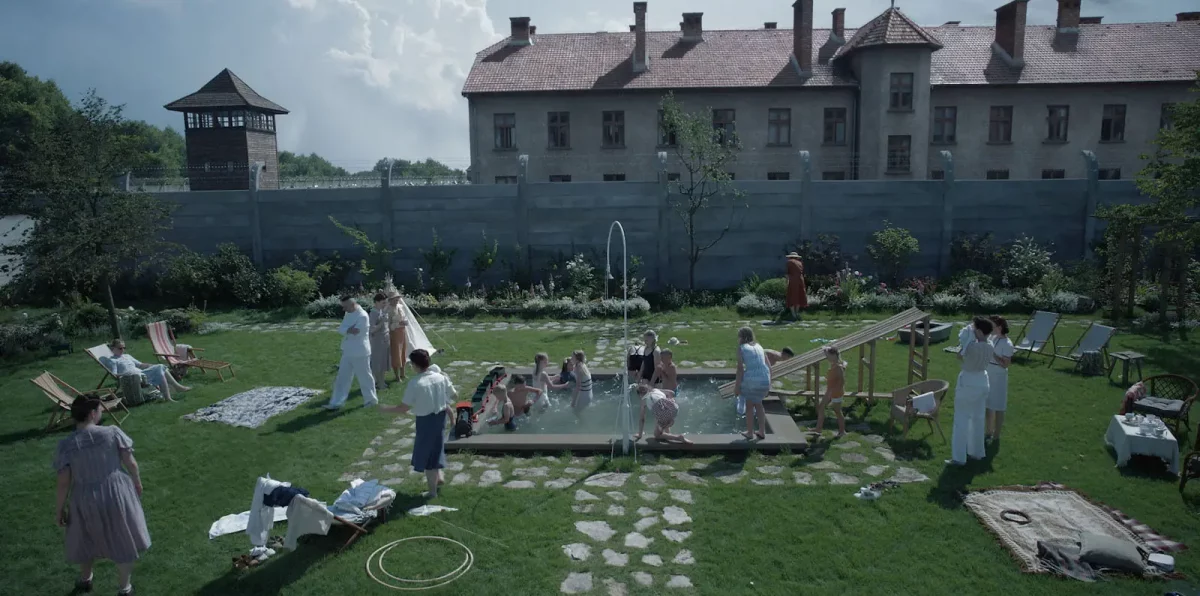
The Zone of Interest is a portrait of Auschwitz commandant Rudolf Hoss (Christian Friedel) based on Martin Amis’s novel of the same name. Amis’s novel substituted the real Hoss and his family for the thinly fictionalized dolls. Still, Glazer has switched this back and jettisoned the fiction from the book, such as an affair between a philandering officer and the commandant’s wife, in favor of an exacting study of the historical figures. Albeit one suffixed with the cautious disclaimer that it remains a work of fiction, “not based on anyone living or dead.”
Hoss was a dedicated Nazi and a keen architect of Hitler’s Final Solution. The film mostly takes place between 1943 and 1944, when he was promoted to oversee a massive increase in prisoner transports from Hungary, amounting to a concerted and rapid liquidation of Nazism’s internal enemies. This is what we are witnessing in Glazer’s horror film, as spellbinding marginalia to the daily lives of an otherwise normal family.
“…architect for Hitler’s Final Solution…he was promoted to oversee a massive increase in prisoner transports from Hungary…”
The main dramatic strand centers on Hoss’s promotion and the unhappiness it causes his wife Hedwig (Sandra Hüller), who has grown attached to their comfortable life. In the opening scene, she tries on a fur coat, admiring it in a mirror and then feeling along the hem. We cut to a servant being ordered to fix the lining. We are left to guess what Hedwig tore out and the story of who hid it there in terror.
Hedwig is devastated at the prospect of leaving their fine house and her well-developed garden in Auschwitz, a stunning and bleakly comic irony given the thousands of desperate prisoners adjoining it.
Glazer’s film is marked by supremely judged restraint. The details of extermination are ever present but frequently rendered into the frame so subtly that it is almost essential to watch this film in a cinema, where these awful nuggets can be panned out of the stream of images more easily. The magisterial compositions of Glazer and his cinematographer Lukasz Zal were shot digitally, with natural lighting and no background music, so they and the cast have a lot of heavy lifting to do. A great deal of the photography borrows the Kubrickian trait of center framing, with the architecture dominating and isolating the actors, highlighting the tragic theme of subordination, whether to ideas or the zealots who deliver them.
Publisher: Source link



‘Agent From Above’ Images Tease This Week’s Release of Netflix Action Fantasy Series
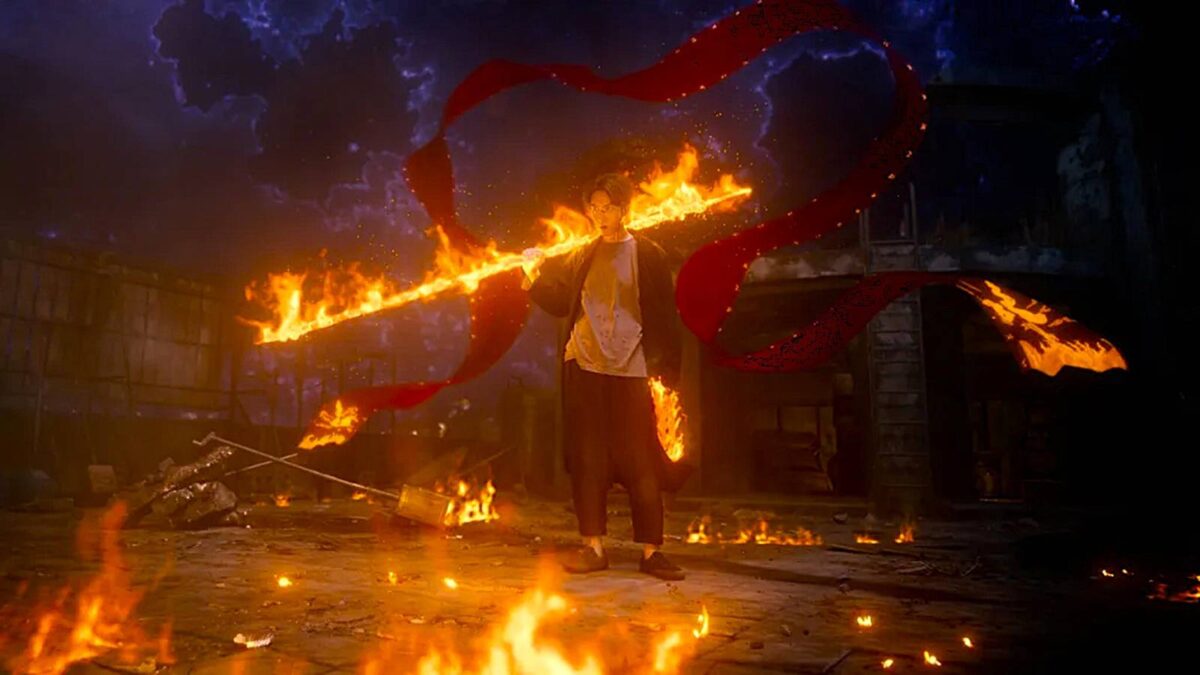
In anticipation of its long-awaited debut this week, Netflix has revealed several new images from the streamer’s most ambitious action fantasy epic series. Nearly a decade after it was first announced, the popular streaming platform is hoping all that effort…
Apr 1, 2026

Maul – Shadow Lord’ Will Use Draw From George Lucas’ Original Plans for the Character
It sounds like Star Wars: Maul — Shadow Lord will revisit some of George Lucas' original ideas for Darth Maul before he sold Lucasfilm to Disney. Introduced in 1999's The Phantom Menace, Maul became an instantly iconic and recognizable character…
Mar 31, 2026
Ron Perlman Explains How His Role as Super Mutant in ‘Fallout’ Came to Be
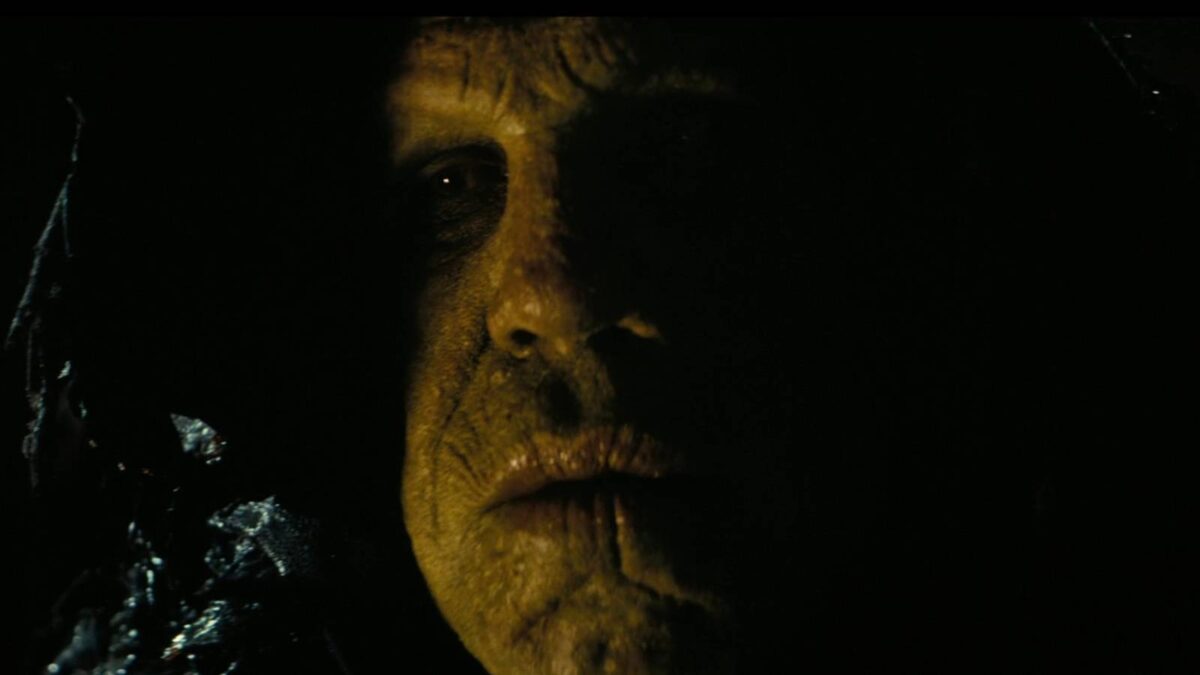
Ron Perlman has a long list of impressive credits on his resume, including his fan-favorite portrayal of Hellboy in a pair of movies from 2004 and 2008. He also has a long history in video games, thanks to his work…
Mar 30, 2026
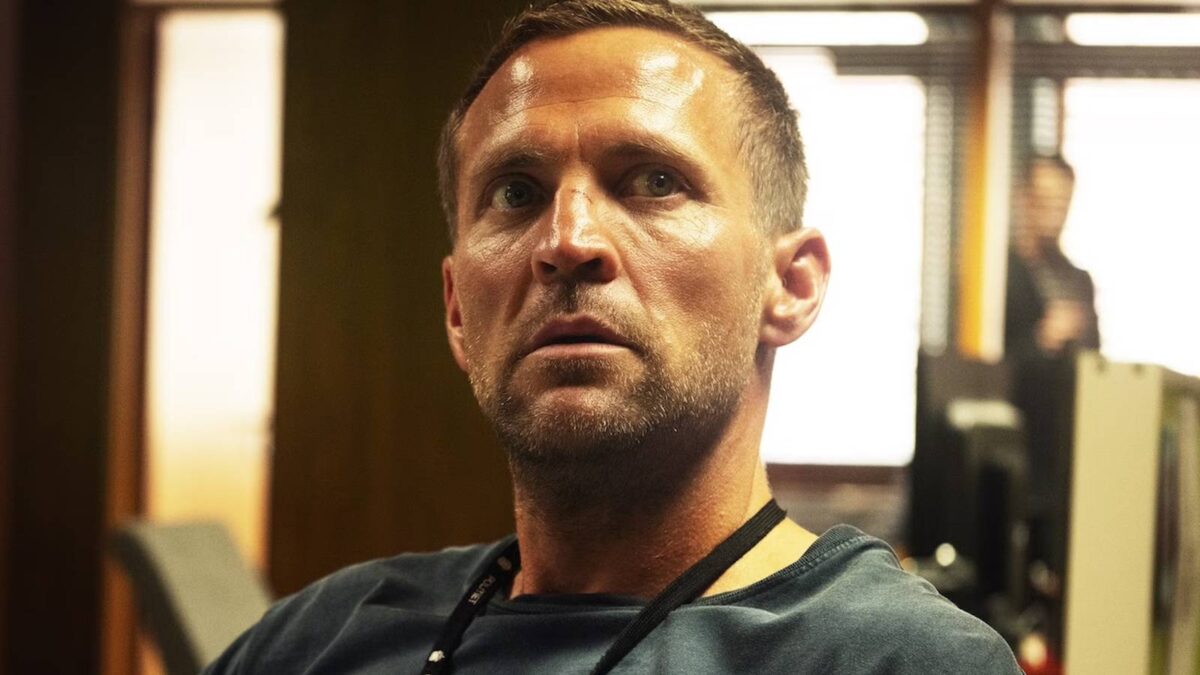
Netflix’s ‘Jo Nesbo’s Detective Hole’ Debuts With Perfect Rotten Tomatoes Score
Anyone currently on the hunt for a new crime thriller to binge-watch may want to divert their attention to Jo Nesbo's Detective Hole, which is currently streaming on Netflix. The nine-part drama, adapting the fifth book in Jo Nesbø's bestselling…
Mar 29, 2026