What Exactly Makes Samuel L. Jackson Such an Incredible Actor? The Director Of His Latest Film Has The Answer
Nov 24, 2024
The Big Picture
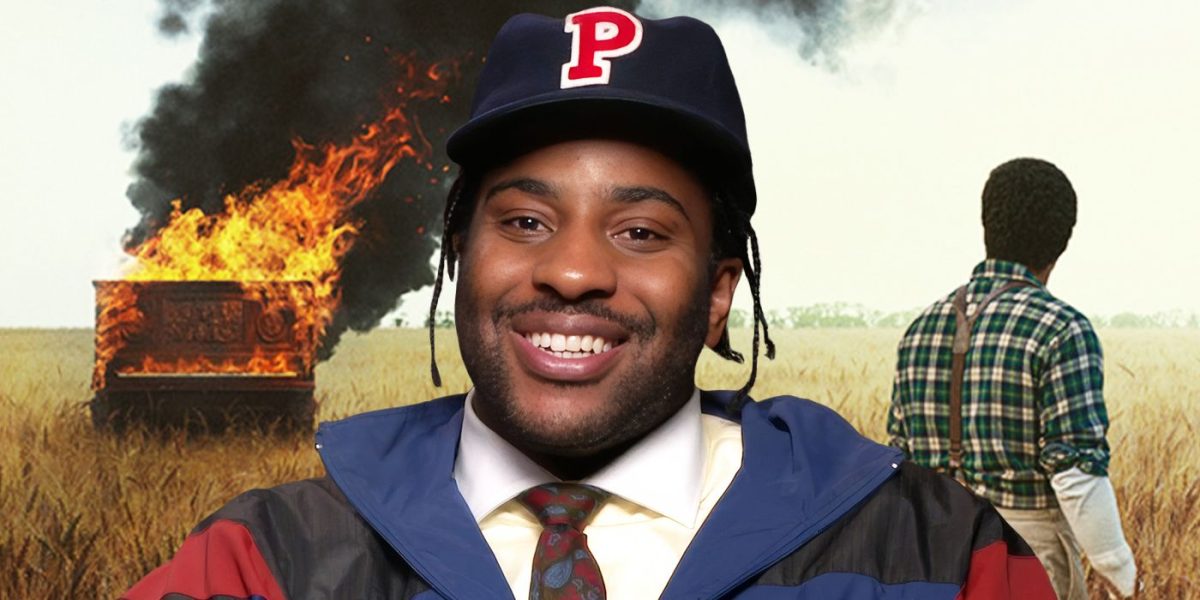
Collider’s Steve Weintraub talks with filmmaker Malcolm Washington for his feature directorial debut,
The Piano Lesson
.
Based on the August Wilson play, the film portrays a family conflict over an heirloom piano in 1936 Pittsburgh, and stars John David Washington, Danielle Deadwyler, and Samuel L. Jackson.
Washington discusses the exhilarating experience of working with acting legends on set and balancing tones in editing.
Newcomer director Malcolm Washington has studied under the greatest directors living today. After shadowing A-list filmmakers Spike Lee, Jon Favreau, and — yes, his father — the inimitable Denzel Washington, Washington proudly premieres his feature directorial debut, The Piano Lesson, with an astounding cast top-billed by John David Washington, Danielle Deadwyler, and Samuel L. Jackson.
Based on the stage play by the celebrated and historic writer August Wilson, The Piano Lesson takes place in Pittsburgh in 1936, in the aftermath of the Great Depression. The film follows Boy Willie Charles (Washington) and his sister Berniece (Deadwyler), the conflicts within their household, and their family piano — an heirloom decorated with designs carved by an enslaved ancestor. The film also stars Ray Fisher and Michael Potts.
Washington was kind enough to sit down with Collider’s own Steve Weintraub to talk about The Piano Lesson. They discuss the surprises that come from working with acting titans like Jackson, the picture’s important spiritual and grounded familial themes of reconciliation, and editing his first movie with Leslie Jones, an artist who helped shape Washington’s filmmaking vision and style from an early age.
Malcolm Washington Found Peace Through the Chaos on Set
“I’m living in my purpose.”
COLLIDER: First of all, congratulations. You did a great job with this. Talk a little bit about what it was like for you because you’ve never taken on something like this and the responsibility of directing such an important work. What was that like for you before stepping on set that first day?
MALCOLM WASHINGTON: That day was nerve-wracking, and exciting, and stressful, and also peaceful. When you look up, and you’re like, “Whoa, I’m living in my purpose. I’m doing the thing that I’ve always wanted to do. Now, here we are,” when you’re making something that means so much to so many people, there’s a huge responsibility that comes with it. But when you’re making something that you’re passionate about, that you believe in, with people that you love being around and are so excited to work with, the obstacles of the day become so great that you don’t have time to stress about it. You just have to get to work right away and make the thing real because you know that you’re trying to honor a community and show the experience of a community, and have that love come through. So, you just have to get to work. You can’t even stress about it.
Samuel L. Jackson Was an Inspiration From Take One
“Oh yeah, we got Sam. Sam’s a movie star doing movie star stuff.”
Image via Netflix
Obviously, Sam is a Titan, and he’s worked with August Wilson since the ’80s. What is it like directing your brother, Sam, Michael, this titan group of actors on set those first few days when you’re getting your sea legs?
WASHINGTON: It’s so cool because they bring so much experience into the room. They bring decades of connection to this material into the room, and whatever you thought before, when you sit down with them, you’re like, “Okay, we’re doing something major here. We’re doing something important.” There are nerves that come with that, but what makes Sam so incredible for performers is he’s so free, and he’s so present when he starts working. The first day, the first shot, we did the first take, he did something so unexpected and so funny that it broke away all the fear that you have because you’re like, “Oh yeah, we got Sam. Sam’s a movie star doing movie star stuff. I’m so excited to work with it.” So from that moment, you’re kind of just like, “Let’s get into the work now.”
Balancing the Tones of ‘The Piano Lesson’ in Editing
Image via Netflix
I’m fascinated by the editing process because it’s where it all comes together. Did you have deleted scenes? What was it like in the editing room for this one?
WASHINGTON: Incredible. I worked with a hero of mine, and an incredible editor, in Leslie Jones. She cut some of my favorite work — The Thin Red Line, The Master, and Punch Drunk Love — these movies that raised me and raised me as a filmmaker. Once we got working together, we became really kindred spirits. There are a lot of things that ended up on the cutting room floor. There’s a lot of exciting things, unfortunately, but ultimately, we made the best movie with the material that we had. There are a lot of tones that we have to balance in this film, right? It’s a really full experience. There’s a genre that’s horror genre element, there’s this comedic tone to it, there’s a grounded, spiritual quality to the film, this ethereal kind of quality to the film, lots of different music. Dancing between all these rhythms and languages and tones was really what we spent a lot of time balancing.
7:03 Related ‘The Piano Lesson’s John David Washington and Danielle Deadwyler Reveal Legendary Playwright August Wilson’s Secret Sauce Washington and Deadwyler also discuss their Grammy-winning co-star and translating August Wilson’s stageplay to screen.
I specifically want to talk about the third act without spoilers because it becomes a little bit of a different movie. It’s been building towards it, but it needs to feel earned when you get there. Talk a little bit about figuring out how to get there, and then the third act.
WASHINGTON: It has to feel earned, and our way of doing that is reconciling, is setting up all themes, both in the text in the story, but also conceptual themes — themes of spirituality, spiritual practice that have to be reconciled, themes of what each of the characters are all running from. These things they have to confront. The whole movie is seeking confrontation, and when you get that confrontation in the end, what comes out of that, and then moving through that confrontation, an explosion of all these things, landing in a place of peace and healing is coming through that storm, weather in the storm, and then coming out on the other side changed. That was something that was always the arc of the film, was always gonna be bred into that ending because we’re asking the audience to take a big leap with us. But ultimately, where we land, I think, is so powerful and impactful that it was worth the journey.
The Legacy of Adapting August Wilson to Film
“I represent a different generation.”
Image via Netflix
You definitely did such a great job with this, and I know that your dad wants to adapt all of August’s work. Are you already thinking about doing another one? Because you obviously know what you’re doing.
WASHINGTON: Thank you. What’s been so exciting about this is that this is the third one so far. There have been three different voices that have brought their voice to it. George C. Wolfe is an iconic theater director, and he works in a kind of way, cinematically. My dad also comes from performance-driven stuff, and that was evident in his adaptation. I represent a different generation, and I brought my generation to this. I hope that they continue to bring new voices to it and allow August to speak through other filmmakers, other experiences, and other points of view because that will make this whole thing feel even more special.
The Piano Lesson is now streaming on Netflix.
The Piano Lesson Follows the lives of the Charles family as they deal with themes of family legacy and more, in deciding what to do with an heirloom, the family piano.Director Malcolm Washington Runtime 125 Minutes Writers Virgil Williams , Malcolm Washington
Publisher: Source link



Dishonest Media Under the Microscope in Documentary on Seymour Hersh
Back in the 1977, the legendary investigative journalist Seymour Hersh shifted his focus from geopolitics to the world of corporate impropriety. After exposing the massacre at My Lai and the paid silencing of the Watergate scandal, Hersh figured it was…
Dec 19, 2025
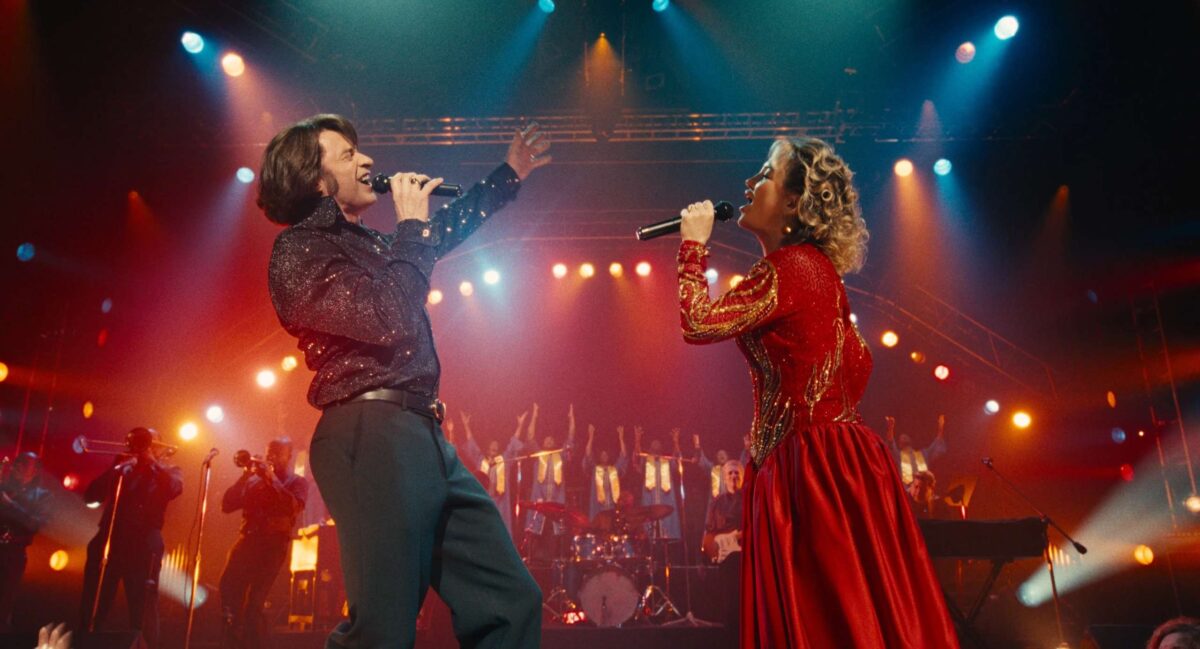
Heart, Hustle, and a Touch of Manufactured Shine
Song Sung Blue, the latest biographical musical drama from writer-director-producer Craig Brewer, takes a gentle, crowd-pleasing true story and reshapes it into a glossy, emotionally accessible studio-style drama. Inspired by Song Sung Blue by Greg Kohs, the film chronicles the…
Dec 19, 2025
After 15 Years, James L. Brooks Returns With an Inane Family Drama
To say James L. Brooks is accomplished is a wild understatement. Starting in television, Brooks went from early work writing on My Mother the Car (when are we going to reboot that?) to creating The Mary Tyler Moore Show and…
Dec 17, 2025
Meditation on Greek Tragedy Explores Identity & Power In The 21st Century [NYFF]
A metatextual exploration of identity, race, privilege, communication, and betrayal, “Gavagai” is a small story with a massive scope. A movie about a movie which is itself an inversion of classic tropes and themes, the film exists on several levels…
Dec 17, 2025