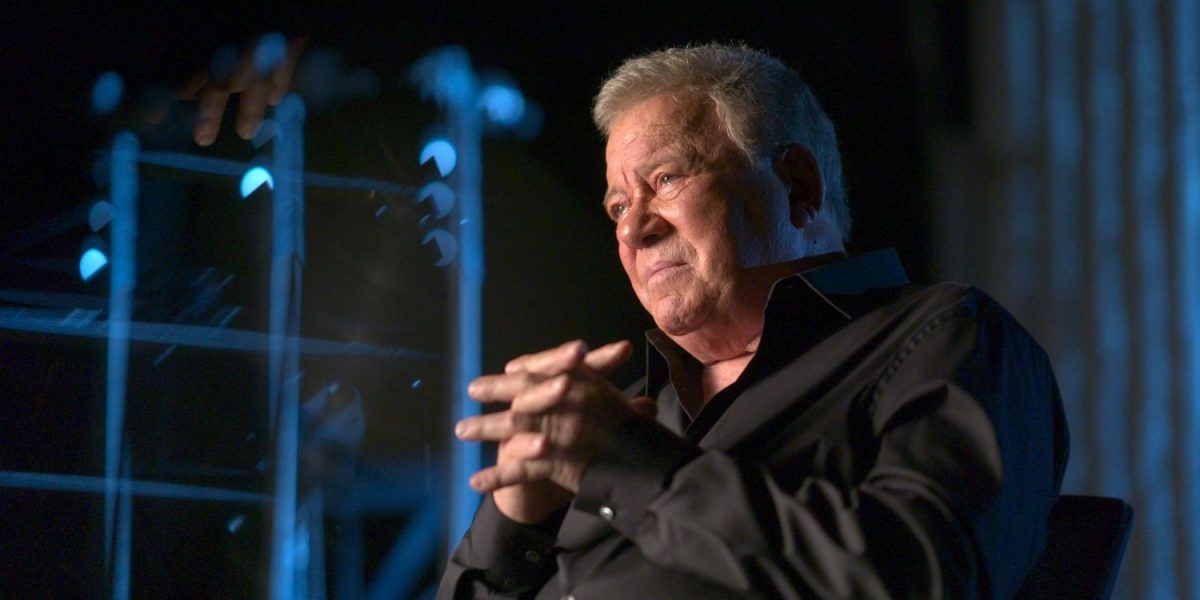
William Shatner: You Can Call Me Bill Review
Mar 24, 2024
Summary
William Shatner’s documentary feels more like a memoir.
Archival footage connects Shatner’s story, revealing his diverse roles.
The film has a slow start that leads to a poignant ending, with Shatner embracing mortality.
William Shatner’s new documentary, You Can Call Me Bill, attempts to unpack the actor’s long and full life. At 92 years old, he has given the world many gifts through his performances and gives one more in this exploration of his life and career. The movie utilizes a series of interviews with Shatner that feels akin to listening to a grandparent share stories by the fireside. Shatner might be best known for playing Captain Kirk in Star Trek: The Original Series, but You Can Call Me Bill reveals that there’s much more to the actor than his sci-fi beginnings.
You Can Call Me Bill is a 2024 documentary chronicling the life and career of William Shatner and the many characters he’s played in movies and TV shows. Alexandre O. Philippe wrote and directed the film for Legion M.ProsWilliam Shatner’s stream of consciousness is delightfulShatner contemplates his mortality in an honest, poignant wayThe film proves Shatner is more than just a sci-fi actor ConsThe film’s visual style isn’t so seamlessThe documentary is more of a memoir
Shatner is a beloved figure, and fans of his work across the decades will be delighted by the references to his acting, comedy, and recent forays into live poetry and song readings. However, as much as Shatner wants to discuss the legacy of his professional life, he’s just as interested in his takeaways from life and passing on his tales through the oral tradition. He wants to tackle the big questions and grapple directly with his mortality. These are heavy topics, and perhaps not what audiences are expecting, but his words carry weight because of the life he has lived.
The Traditional Documentary Style Is Disrupted In Favor Of Memoir
The story meanders forward with Shatner’s stream of consciousness
Documentary isn’t the right word for what Shatner and writer-director Alexandre O. Philippe created together. It’s much closer to a memoir but is less linear than a narrative a piece of literature would craft. Only a film could capture the life and legacy of Shatner, but You Can Call Me Bill struggles with its lack of definition. Outside the recorded interviews with Shatner and the archival footage of his work, the only other clips are of various parts of nature, which tie into the themes Shatner wants to explore but don’t always fit seamlessly into the visual style.
The film’s first section is by far the weakest, as the style doesn’t adeptly capture our attention from the get-go. It jumps right in with a sorrowful story about Shatner’s childhood dog and doesn’t attempt to give any more context than that. However, Shatner is a strong enough character that we don’t need much more. Once it’s clear that this is a passion project for Shatner and the last piece of his legacy he intends to leave behind, we are encouraged to go along for the ride and let concerns of narrative cohesion fall away.
The use of archival footage anchors the story and draws a thread through the anecdotes and explanations Shatner shares throughout the piece.
The use of archival footage anchors the story and draws a thread through the anecdotes and explanations Shatner shares throughout the piece. The film juxtaposes images of a young Shatner embodying other people, from Star Trek to his appearance in one of the best episodes of The Twilight Zone, with the present-day man vulnerably sharing personal truths about himself. Few stones are left unturned in the callbacks to different parts of his career, and those unfamiliar with Shatner’s lower-profile roles will get a kick out of seeing him outside his most iconic roles.
Shatner doesn’t have many regrets, the sign of a life well-lived, but he is mourning the loss of the Earth from the film’s first moments. He’s deeply interested in nature, and climate change weighs on him because of his lifelong love of Earth. It saddens him that he’ll one day leave the world behind and that it’s being hurt by the people it cares for. Despite his pleas, Shatner understands that minds might not change because of one man’s words. However, the importance is in the act rather than the impact in the case of You Can Call Me Bill.
You Can Call Me Bill Director Alexandre O. Philippe Release Date March 22, 2024 Studio(s) Legion M , Falling Forward Films , FilmFrog Writers Alexandre O. Philippe Runtime 96 Minutes
Though It Starts Slowly, The Emotional Ending Sticks The Landing
Shatner shares intimate sentiments about his relationship with life
The last section of the piece connects the scattered dots Shatner has strewn across the hour and a half we spend delving into his experiences. For a documentary that meanders much more than it pushes the narrative forward, the emotional impact of the final minutes is surprisingly heavy. As with most documentary and non-fiction films, the message and themes don’t become clear until after filming is over, and this was the case with You Can Call Me Bill. Though Shatner’s ruminations on life and death aren’t revolutionary, that doesn’t make them any less important.
Shatner makes it clear he isn’t ready to say goodbye, but he readily discusses his mortality. Few people have the opportunity to leave behind a comprehensive retrospective while they’re still alive, and for that alone, You Can Call Me Bill is impressive. While it’s true that Shatner had complete control of the narrative, and the audience only learns what he cares to tell them, deeper parts of him can’t help sneaking through the cracks. They reveal truths that bring him back down to Earth with the rest of us and soften us to his moments of self-indulgence.
Publisher: Source link







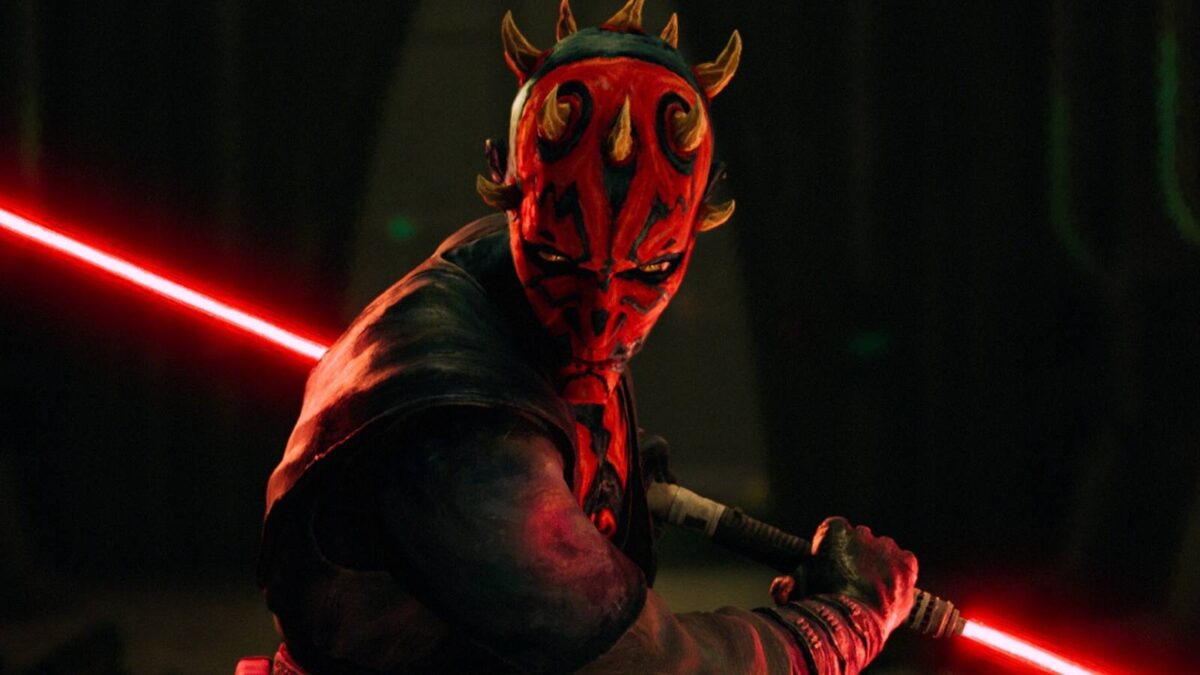
Maul – Shadow Lord’ Will Use Draw From George Lucas’ Original Plans for the Character
It sounds like Star Wars: Maul — Shadow Lord will revisit some of George Lucas' original ideas for Darth Maul before he sold Lucasfilm to Disney. Introduced in 1999's The Phantom Menace, Maul became an instantly iconic and recognizable character…
Mar 31, 2026
Ron Perlman Explains How His Role as Super Mutant in ‘Fallout’ Came to Be
Ron Perlman has a long list of impressive credits on his resume, including his fan-favorite portrayal of Hellboy in a pair of movies from 2004 and 2008. He also has a long history in video games, thanks to his work…
Mar 30, 2026

Netflix’s ‘Jo Nesbo’s Detective Hole’ Debuts With Perfect Rotten Tomatoes Score
Anyone currently on the hunt for a new crime thriller to binge-watch may want to divert their attention to Jo Nesbo's Detective Hole, which is currently streaming on Netflix. The nine-part drama, adapting the fifth book in Jo Nesbø's bestselling…
Mar 29, 2026

Prime Video’s ‘God of War’ Casts ‘Lost’ Star Sonya Walger as Freya
Amazon's upcoming God of War series that is currently in production is also one of the most anticipated of the next couple of years. Film and television adaptations of popular video games have been on the rise, with creative teams…
Mar 28, 2026