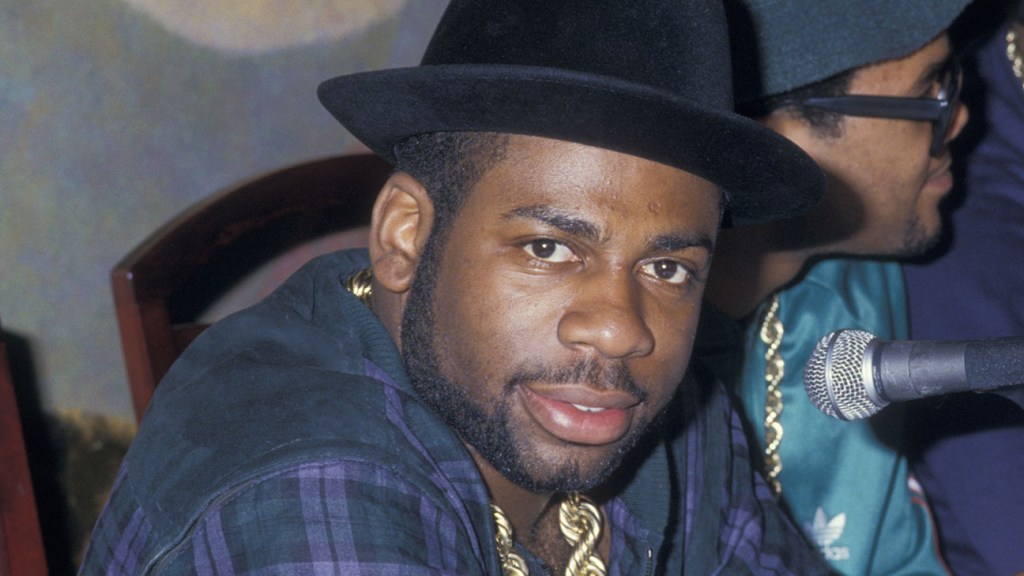
2 Men Convicted in 2002 Killing of Run-DMC’s Jam Master Jay
Feb 29, 2024
Two men were convicted of murder Tuesday in the death of Run-DMC star Jam Master Jay, a brazen 2002 shooting in the rap legend’s studio.
An anonymous Brooklyn federal jury found Karl Jordan Jr. and Ronald Washington guilty on charges of murder while engaged in a narcotics trafficking conspiracy and firearm-related murder for killing the pioneering DJ over what prosecutors characterized as revenge for a failed drug deal.
“Y’all just killed two innocent people,” Washington yelled at the jury following the guilty verdict.
Jordan’s supporters also erupted at the verdict, cursing the jury. “I love y’all,” Jordan said to the group who sat in the courtroom pews before they were escorted out by U.S. Marshalls after more yelling.
Jam Master Jay, born Jason Mizell, worked the turntables in Run-DMC as it helped hip-hop break into the pop music mainstream in the 1980s with such hits as “It’s Tricky” and a fresh take on Aerosmith’s “Walk This Way.” Mizell later started a record label, opened a studio in his old Queens neighborhood and helped bring along other talent, including rapper 50 Cent.
Mizell was gunned down in his studio in front of witnesses on Oct. 30, 2002.
Like the slayings of rap icons Tupac Shakur and the Notorious B.I.G. in the late 1990s, the Mizell case remained open for years. Authorities were deluged with tips, rumors and theories but struggled to get witnesses to open up.
Jordan, 40, was the famous DJ’s godson. Washington, 59, was an old friend who was bunking at the home of the DJ’s sister. Both men were arrested in 2020 and pleaded not guilty.
“Twenty years is a long time to wait for justice,” Assistant U.S. Attorney Artie McConnell had told jurors in a closing argument, urging them: “Don’t let this go on for another minute.”
The men’s names, or at least their nicknames, have been floated for decades in connection to the case. Authorities publicly named Washington as a suspect in 2007. He, meanwhile, told Playboy magazine in 2003 he’d been outside the studio, heard the shots and saw “Little D” — one of Jordan’s monikers — racing out of the building.
Prosecutors contend that the two men turned on the rap star over a cocaine deal.
Mizell had been part of Run-DMC’s anti-drug message, delivered through a public service announcement and such lyrics as “we are not thugs / we don’t use drugs.” But according to prosecutors and trial testimony, he racked up debts after the group’s heyday and moonlighted as a cocaine middleman to cover his bills and habitual generosity to friends.
“He was a man who got involved in the drug game to take care of the people who depended on him,” McConnell said in his summation.
Prosecution witnesses testified that in Mizell’s final months, he had a plan to acquire 10 kilograms of cocaine and sell it through Jordan, Washington and a Baltimore-based dealer. But the Baltimore connection refused to work with Washington, according to testimony.
According to prosecutors, Washington and Jordan went after Mizell for the sake of vengeance, greed and jealousy.
Two eyewitnesses, former studio aide Uriel Rincon and former Mizell business manager Lydia High, testified that Washington blocked the door and ordered High to lie on the floor. She said he brandished a gun.
Rincon identified Jordan as the man who approached Mizell and exchanged a friendly greeting moments before shots rang out and one bullet wounded Rincon himself. Three other people, including a teenage singer who had just stopped by the studio to tout her demo tape, testified that they were in an adjoining room and heard but didn’t see what happened.
Other witnesses testified that Washington and Jordan made incriminating statements about the Mizell killing after it happened.
Neither Washington nor Jordan testified. Their lawyers questioned key prosecution witnesses’ credibility and their memories of the long-ago shooting, noting that some initially denied they could identify the attackers or had heard who they were.
“Virtually every witness changed their testimony 180 degrees,” one of Washington’s lawyers, Susan Kellman, told the judge during legal arguments.
The witnesses said they had been overwhelmed, loath to pass along secondhand information or scared for their lives.
Washington’s defense also tapped a retired psychology professor, who testified that people’s recollections of any event can become a blend of what they actually experienced and subsequently learned.
The trial shed limited light on a third defendant, Jay Bryant, who was charged last year after prosecutors said his DNA was found on a hat at the scene. They assert that he slipped into the studio building and let Washington and Jordan in through the fire door in the back so they could avoid buzzing up.
Bryant has pleaded not guilty and is headed toward a separate trial.
Testimony suggested that he knew someone in common with his co-defendants, but there’s no indication that Bryant was close with Mizell if indeed they ever met.
Bryant’s uncle testified that his nephew told him he shot Mizell after the DJ reached for a gun, a scenario no other witnesses described.
McConnell said Bryant was “involved, but he’s not the killer.” Prosecutors’ theory doesn’t even place Bryant in the studio, though that’s where authorities found the hat with DNA from him and other people — but not the other defendants, according to court filings.
Still, McConnell suggested that Jordan or Washington could accidentally have left the hat behind after Bryant came into contact with it. But lawyers for Washington and Jordan portrayed the garment as a key piece of evidence in their clients’ favor.
“Jay Bryant is literally reasonable doubt,” one of Jordan’s lawyers, Michael Hueston, told jurors.
While the case may complicate Mizell’s image, Syracuse University media professor J. Christopher Hamilton says it shouldn’t be blotted out.
If he was indeed involved in dealing drugs, “that doesn’t mean to say his achievements shouldn’t be lauded,” said Hamilton, a former entertainment lawyer and Brooklyn prosecutor who grew up partly in Mizell’s neighborhood. Hamilton argues that acceptance from local underworld figures was a necessity for successful rappers of the ’80s and ’90s.
“You don’t get these individuals,” Hamilton said, “without them walking through the gauntlet of the street.”
Publisher: Source link




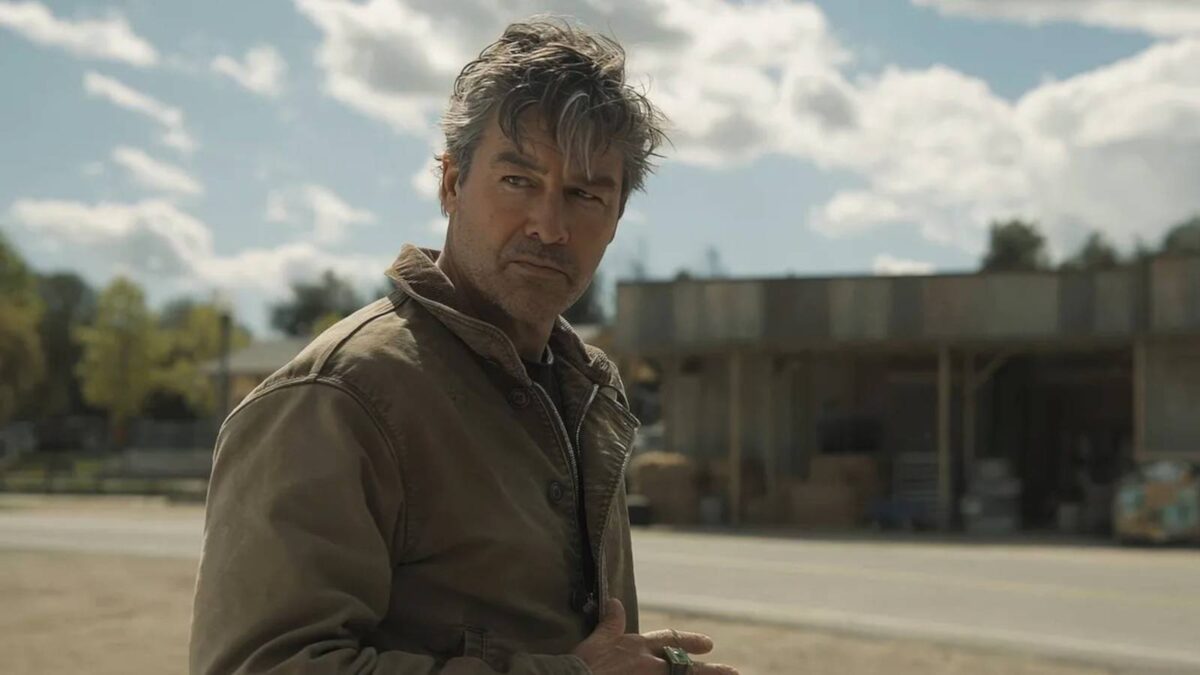
James Gunn Officially Addresses Hal Jordan’s Shocking Fate on ‘Lanterns’
This article contains spoilers for Lanterns.Lanterns is a new series set in the DC Universe, an interconnected network of TV shows and movies based on DC Comics. The show follows veteran Green Lantern Hal Jordan (Kyle Chandler) as he trains…
Sep 23, 2026
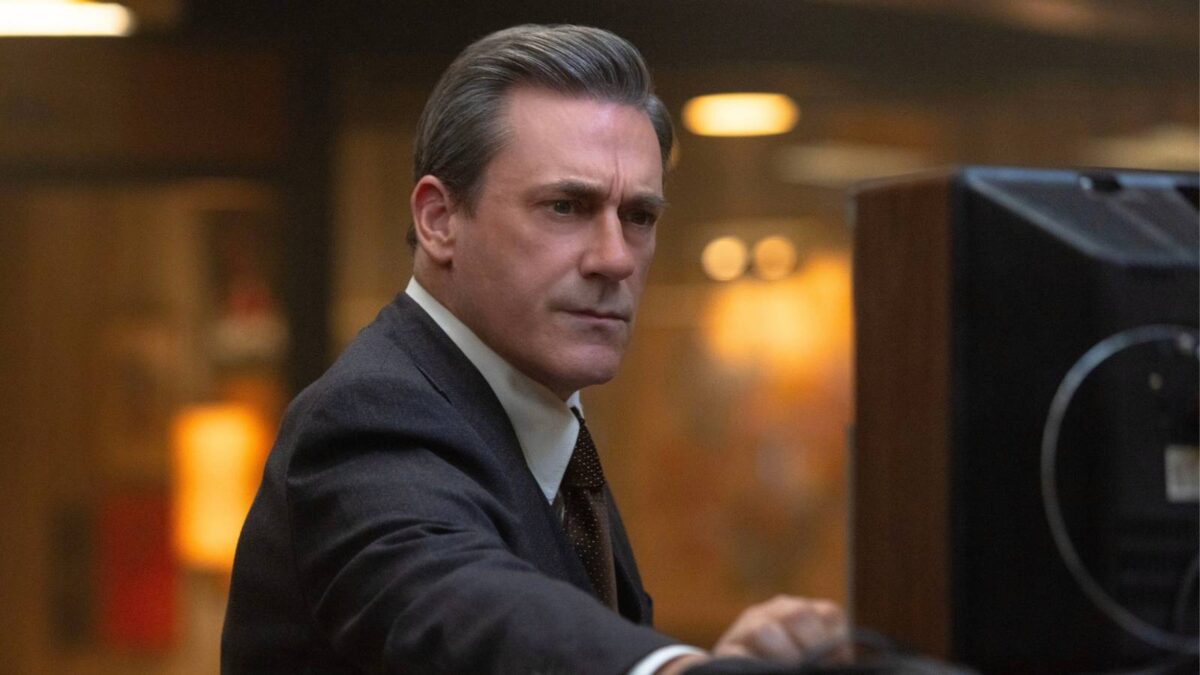
Jon Hamm’s New Crime Thriller Streaming Hit Has a 90% Rotten Tomatoes Score
Jon Hamm remains the undisputed king of TV, as his latest crime thriller has a knockout Rotten Tomatoes score and is currently one of the biggest shows on streaming. When Hamm first played Don Draper in Mad Men way back…
Sep 22, 2026
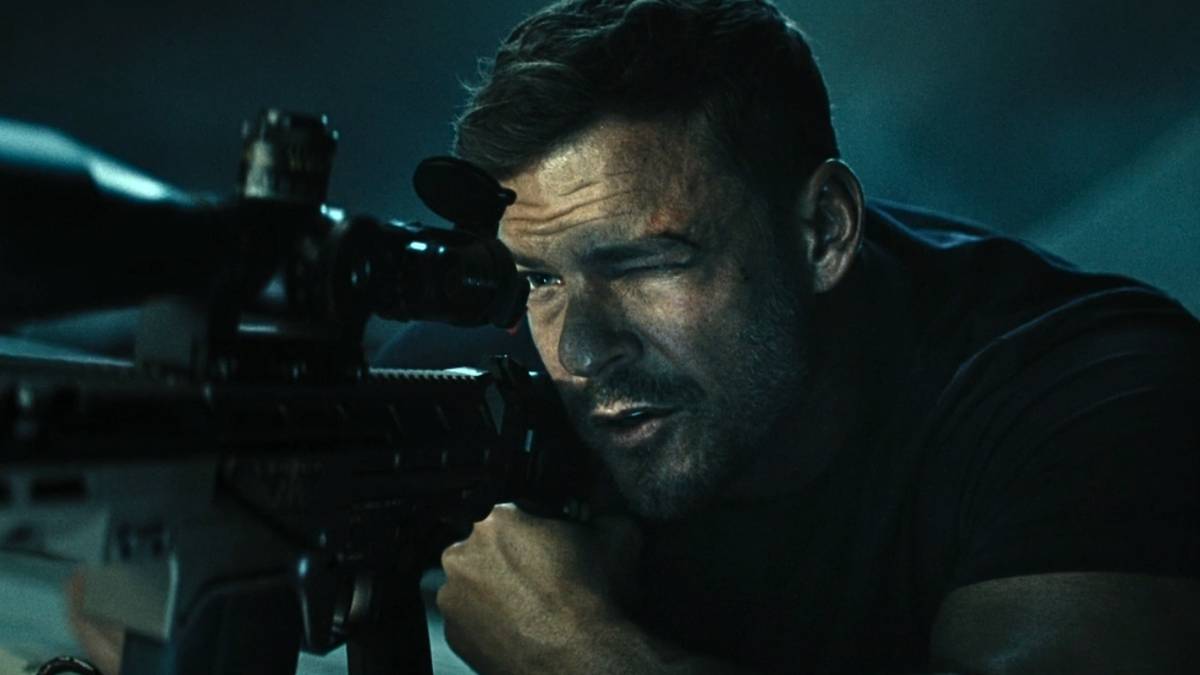
Alan Ritchson’s New 8-Part Action Thriller Lands Solid RT Score While Dominating Streaming
Alan Ritchson has, somewhat quietly, become one of streaming's more dependable stars, which is not necessarily where you would have expected his career to land back when he was doing Smallville supporting work and Blue Mountain State. Reacher turned him…
Sep 21, 2026
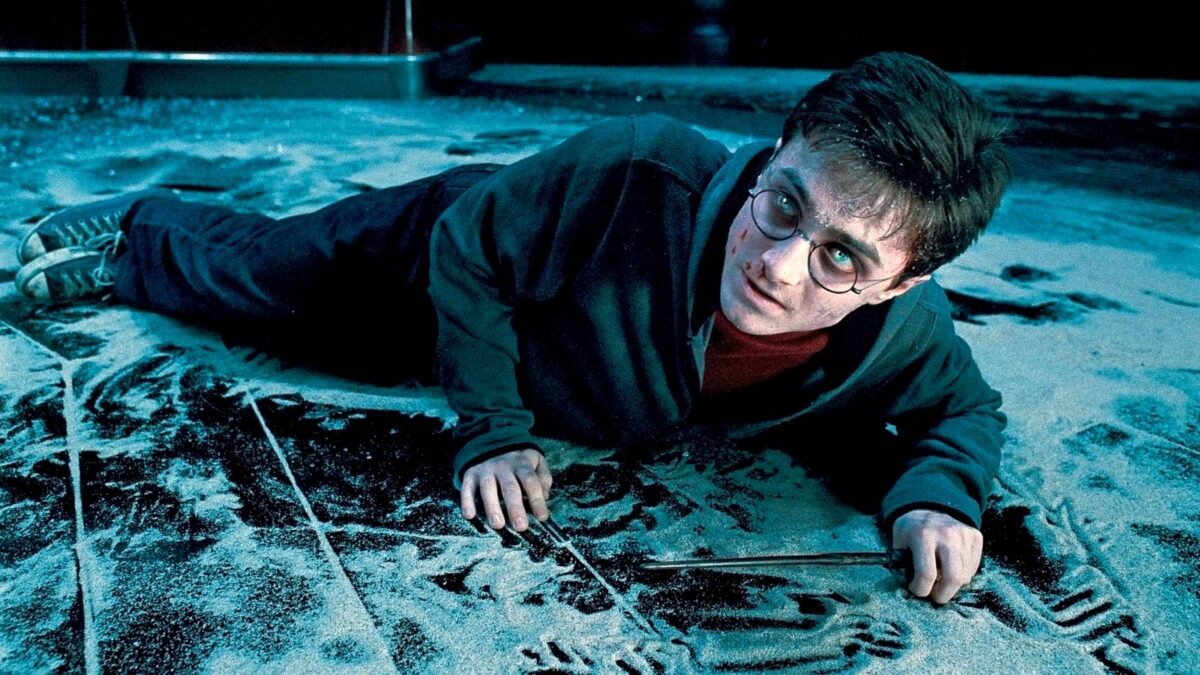
HBO’s Harry Potter Reboot Is Officially Ditching the Most Iconic Part of Daniel Radcliffe’s Era
This December, audiences will be transported back to the Wizarding world of Harry Potter. Of course, those born in the mid-to-late '90s will have fond memories of the movie franchise. Starring Daniel Radcliffe, Emma Watson, and Rupert Grint as Harry,…
Sep 20, 2026