‘Case 137’ Review: This New Cop Drama Is a Thrilling and Hard-Boiled French Version of ‘The Wire’
May 26, 2025
César award-winning director Dominik Moll (Harry, He’s Here to Help, The Night of the 12th) returns to the Cannes competition with Case 137 (Dossier 137 in its native French), a brilliant take on the police procedural, a ripped-from-the-headlines look at the chaos surrounding the gilets jaune (“yellow vest”) protests and how one officer must stand up to her colleagues to uncover deeply hidden, dark truths. The paradoxical activity of cops hunting cops is, of course, ripe for dramatic impact, and one need only look at classics like Infernal Affairs (or its homage, The Departed) or even Serpico, to see a more kinetic take that emphasizes the slightly more salacious and heightened aspects of these cases.
In contrast, there are films that are more subtle and documentary-like, emphasizing the procedural nature of investigation rather than the cinematically cathartic action moments. David Simon’s The Wire is proof that the uncovering of a conspiracy is not always done with ramming in doors and flashing of badges, but by good, old-fashioned police work buttressed by almost superhuman tenacity. Case 137 firmly fits into the latter category, and is better for it.
‘Case 137’ Is a Cop Drama With a Documentary Edge
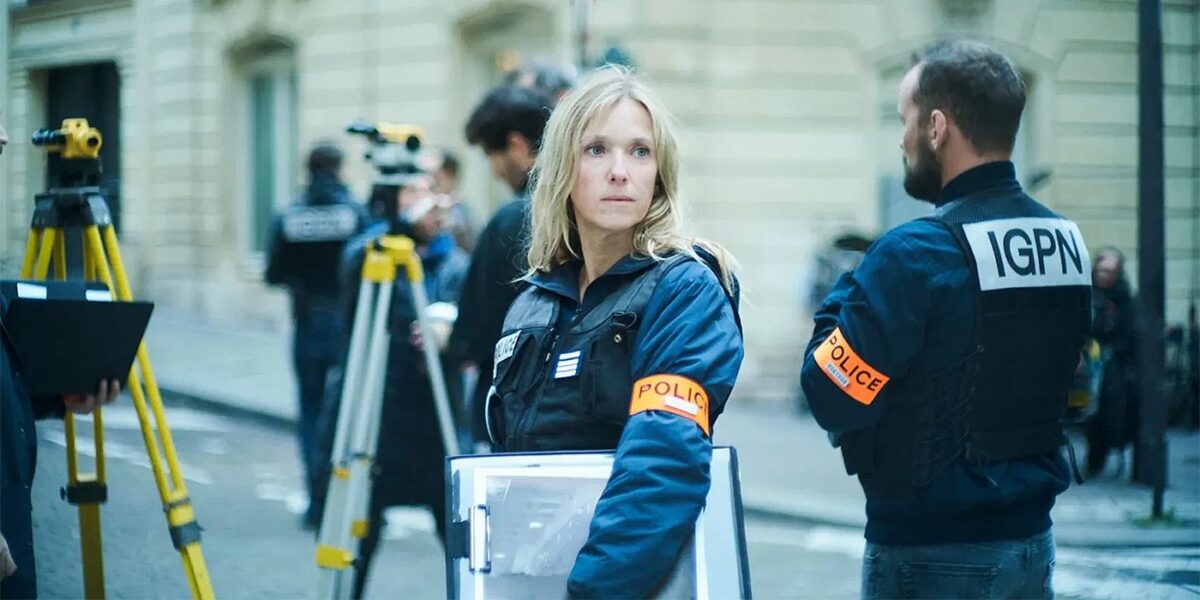
Image via Cannes
Case 137 is a highly entertaining yet supremely provocative look at the very social, political, and legal complexities that make these specific events of Parisian mass protests that occurred in late 2018 far more universal than they may appear at first. Léa Drucker (Custody) truly shines as police inspector Stéphanie Bertrand, a woman tasked with uncovering the wrongdoing of her colleagues. She works for L’inspection générale de la police nationale, or IGPN, tasked with rooting out wrongdoing to gain social trust in the institution of policing.
Stéphanie types away at her desk while taking in testimony – hardly the stuff of grand police escapades – yet there’s a purity to her work. She has a craft of eliciting reluctant truths from those whom she’s holding witness to, which shows the level of her professionalism and fierce commitment to justice. It’s all in the details, often spoken as a voice-over with text on screen, and cases are seen being built piece by piece against suspects, each tiny aspect adding up to a whole whereby conjecture can inexorably lead a case to conviction.
Her ex-husband (Stanislas Merhar) is also a police officer, and the two are divided by what American cops refer to as the thin blue line, and where on the spectrum of morality that line is drawn. Stéphanie must balance motherhood and the duties of her profession, as well as maintain a rapport with her colleagues, which is balanced against her job, which finds her investigating the very same individuals. Whether rules need to be bent for higher levels of justice to exist is central to the film’s telling, whether that be in the form of police responding to a riot, or a tenacious police officer not waiting for full authorization before making the call for arrest.
‘Case 137’ Is Far More Than Your Average Police Procedural
Imagw Via Cannes Film Festival
Dominik Moll’s script, along with his long-time collaborator Gilles Marchand, weaves these differing elements of moral complexity within the framework of a riveting story. Documentary footage from the actual events of 2018 is peppered throughout, but rather than being used in cheap ways of promoting verisimilitude, they’re extremely effective at showing the general chaos of the circumstances. It also shows how different people can, in Rashomon-like ways, understand events through their own set of biases. It’s Stéphanie’s job to wade through the contradictions and provide clarity. Although this feels impossible, as Rashomon shows it to be, the attempt is nonetheless a necessary one. As the film illustrates, finding certainty in the uncertain comes at a cost. The rest of the ensemble is quite excellent, from reluctant witness Alicia (Guslagie Malanda from the highly celebrated Saint Omer) to the victim Guillaume (Come Peronnet), shot by police at a protest, who gives his relatively straightforward role the gravitas and humanity required.
Patrick Ghiringhelli shoots the film with a desaturated look that mirrors the grainy video footage at times, but does allow certain segments (such as in a luxurious hotel) to create the same kind of contrast that splits the film between victim and perpetrator. Stéphanie lives in the liminal space between all these contradictory elements – a cop investigating cops, a rule-breaker looking to punish those who have committed heinous acts beyond the pale. The visual sweep of the film, from the claustrophobic office environments to a patient, yet engaged “chase,” following Alicia, is all carefully and wonderfully executed.
Laurent Rouan’s editing style provides a similar balance of pace, shifting effortlessly between the more kinetic moments and the more contemplative. It’s the times when the film lingers on Stéphanie’s challenges that allow the film to shine, a credit to Drucker’s innate ability to elicit our sympathy without ever succumbing to overtly manipulative bursts of emotion. Throughout this highly polished film, we’re watching a professional do her job in ways that manage to be compelling despite the assiduously quotidian nature of these actions and behaviors. The heightened moment of the protests stretches Stéphanie’s commitment to her job to the limit, but it’s never done in a way that is over-the-top.
It’s this delicate precision, matched with fine performances, a compelling storyline, and deeply provocative questions raised about society outside the frame of the film, that elevates Case 137 from a mere trifle to something far more delicious. Bold, effective, and brilliant in equal measure, Moll’s film is a fine policier in the grandest of traditions, joining a long line of noir-inflected French police dramas unafraid of being more than vehicles for action and retribution. Given the caliber of performance and narrative alike, it not only joins the squad of these many other exemplars, but it stands among the top echelon and thrives as a contemporary classic of the genre.
Dossier 137
Léa Drucker shines in Moll’s latest cinematic treat.
Release Date
November 19, 2025
Director
Dominik Moll
Writers
Dominik Moll, Gilles Marchand
Producers
Barbara Letellier, Carole Scotta, Caroline Benjo
Guslagie Malanda
Alicia Mady
Pros & Cons
Exceptional police drama told with subtlety and sophistication.
Stellar lead performance by Drucker.
Terrific ensemble cast.
Occasionally slips into cliché, but soon recovers.
Publisher: Source link






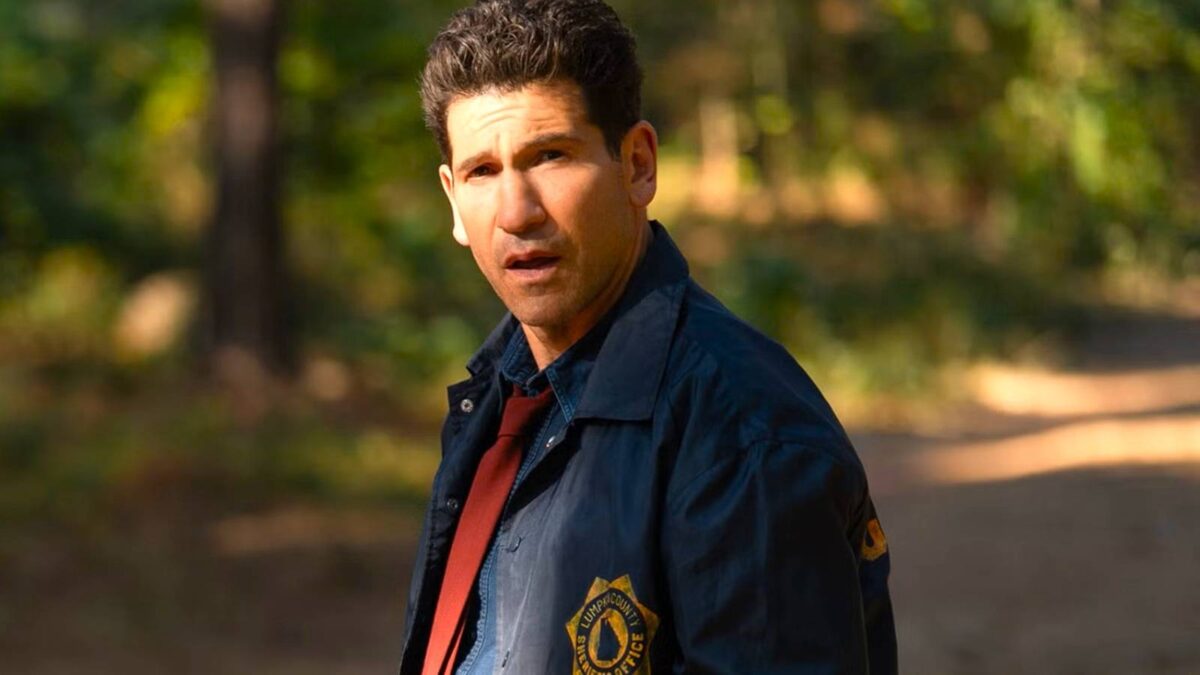
Jon Bernthal Netflix Thriller Crowned One of 2026’s Biggest Streaming Shows
Jon Bernthal is on a serious hot streak right now, with the actor (alongside fellow MCU star Tom Holland) starring in not one, but two of the biggest box office hits of the year in Christopher Nolan's The Odyssey and…
Aug 7, 2026

Disney+ Officially Exploring Major Streaming Platform Change
With Toy Story 5 making big bucks at the box office and The Devil Wears Prada 2 crushing the streaming numbers, Disney is poised to keep the momentum going. The media giant has been cutting hundreds of jobs in addition…
Aug 6, 2026

‘Baywatch’ Reboot Officially Confirms Streaming Release Details
When Baywatch signed off in 2001, it had already spent the better part of a decade as the most-watched show on the planet, airing in more than 200 countries and reaching over a billion viewers a week at its peak.…
Aug 5, 2026
Origins’ Sets Return Date With Mark Harmon Getting a Season-Long Arc
Mark Harmon played special agent Leroy Jethro Gibbs for 18 seasons of NCIS before leaving in Season 19. The original show has soldiered on without him — it will soon be back for its 24th season — but the franchise…
Aug 4, 2026