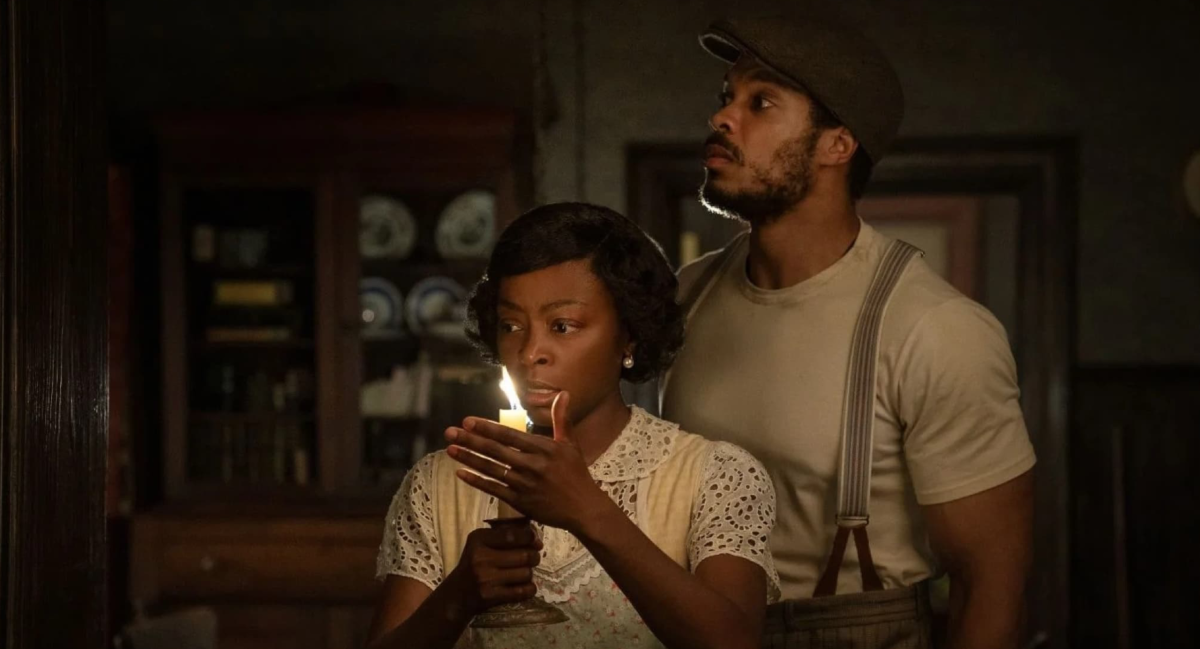
The Piano Lesson Review: The Weight of Legacy
Nov 29, 2024
Malcolm Washington’s The Piano Lesson, an adaptation of August Wilson’s revered 1987 play, dives into the complexities of heritage, memory, and identity. With a powerful ensemble cast and a script co-written by Washington and Virgil Williams, the film breathes cinematic life into Wilson’s poignant exploration of familial and cultural inheritance, set against the backdrop of 1936 Pittsburgh. While the film largely retains the emotional resonance of the source material, it occasionally stumbles in its pacing and cinematic transitions, but these flaws are softened by the strength of its performances and thematic depth.
A Tale of Family and Legacy:
At its core, The Piano Lesson revolves around a central conflict: the fate of the Charles family piano. This heirloom, intricately carved by an enslaved ancestor, symbolizes the family’s painful yet proud history. Boy Willie (John David Washington), a bold and ambitious young man, sees the piano as a means to secure his future, intending to sell it to purchase land. His sister Berniece (Danielle Deadwyler), however, views it as a sacred testament to their shared past and refuses to part with it. This clash of perspectives sets the stage for an emotionally charged narrative that grapples with themes of legacy, sacrifice, and self-determination.
Lead performances:
The cast elevates the material with performances that strike at the heart of Wilson’s richly drawn characters. Samuel L. Jackson delivers a restrained yet deeply nuanced performance as Doaker Charles, the family patriarch and voice of reason. Jackson embodies a quiet strength, his character serving as both a narrator and a mediator in the family’s disputes. His subtle gestures and weighty pauses make Doaker a grounding presence amidst the rising tensions.
John David Washington shines as the fiery and determined Boy Willie. He balances the character’s brashness with vulnerability, revealing the desperation beneath his bravado. Washington’s dynamic energy contrasts beautifully with the stillness of Deadwyler’s Berniece, making their confrontations electric.
Danielle Deadwyler, as Berniece, delivers a performance of profound emotional depth. Her portrayal captures the weight of generational trauma and the fierce resolve to honor her ancestors. In her quieter moments, Deadwyler conveys volumes, her silences as powerful as her words.
Supporting cast:
Michael Potts and Ray Fisher add layers of texture as Wining Boy Charles and Lymon, respectively. Potts brings a bittersweet humor to Wining Boy, a man haunted by his own unfulfilled dreams, while Fisher’s Lymon offers a touch of innocence and optimism, providing a counterbalance to the heavier themes. Erykah Badu as Lucille adds a soulful touch, her ethereal presence and understated performance weaving seamlessly into the narrative.
Malcolm Washington’s Vision:
Malcolm Washington approaches Wilson’s play with reverence, allowing the dialogue-heavy script to take center stage. This decision pays off in moments where the characters’ exchanges feel raw and immediate, capturing the rhythm and poetry of Wilson’s language. However, this fidelity to the play’s structure occasionally creates pacing issues. Certain scenes feel overly drawn out, and the film struggles at times to maintain cinematic momentum.
Visually, Washington and cinematographer Mike Gioulakis craft a somber yet intimate atmosphere. The muted color palette reflects the hardships of the Great Depression, while the carefully composed frames emphasize the characters’ physical and emotional proximity to the piano. The camera lingers on the intricately carved heirloom, imbuing it with a presence that feels almost alive—a silent witness to the family’s struggles and triumphs.
Themes of Heritage and Healing:
One of the film’s greatest strengths lies in its exploration of heritage. The piano, adorned with carvings that chronicle the Charles family’s history, serves as a potent symbol of the weight of the past. Boy Willie’s desire to sell it represents a forward-looking pragmatism, while Berniece’s refusal to part with it underscores the importance of preserving cultural identity.
The narrative doesn’t offer easy answers, instead inviting viewers to wrestle with the same questions as the characters. How do we honor our ancestors while forging our own paths? What sacrifices are we willing to make for our dreams? These questions resonate deeply, particularly in the context of African American history, where the struggle to reclaim and preserve identity has been a constant.
Strengths and Weaknesses:
While the performances and thematic depth are undeniably powerful, the film occasionally falters in its execution. The transition from stage to screen is not always seamless; certain moments feel overly theatrical, losing some of their immediacy in the process. The pacing, too, is uneven, with some scenes feeling overly prolonged, diluting the narrative tension.
However, these shortcomings are mitigated by the strength of the dialogue and the emotional weight of the story. The film’s climax, in particular, is a masterclass in dramatic tension, bringing the characters’ conflicts to a head in a way that feels both inevitable and cathartic.
Overall:
Malcolm Washington’s The Piano Lesson is a poignant and thought-provoking adaptation that captures the spirit of August Wilson’s play while offering a fresh cinematic perspective. Though not without its flaws, the film’s emotional resonance and stellar performances make it a worthy addition to the growing canon of Wilson adaptations.
Acting – 8/10
Cinematography/Visual Effects – 7/10
Plot/Screenplay – 7/10
Setting/Theme – 7/10
Watchability – 7/10
Rewatchability – 5/10
User Review
0
(0 votes)
.review-total-box {
display: block;
}
.wp-review-998786.review-wrapper .user-review-area .review-percentage,
.wp-review-998786.review-wrapper .user-review-area .review-point {
width: 20%;
float: right;
margin-top: 5px;
}
.wp-review-998786.review-wrapper.wp-review-circle-type .review-total-wrapper .review-circle.review-total {
margin: auto 0;
padding-top: 15px;
width: auto;
height: 100%;
clear: both;
}
.wp-review-998786.review-wrapper.wp-review-circle-type .review-total-wrapper > .review-total-box {
display: block;
}
.wp-review-998786.review-wrapper.wp-review-circle-type .review-total-wrapper > .review-total-box > div { display: none; }
.wp-review-998786.review-wrapper .review-total-wrapper .review-total-box h5 {
color: inherit;
}
.wp-review-998786 .review-embed-code { padding: 7px 30px 15px; }
.wp-review-998786 .review-embed-code #wp_review_embed_code { background: rgba(255, 255, 255, 0.5) }
.wp-review-998786 .wpr-rating-accept-btn {
background: #e57e34;
background: linear-gradient(to top, #e57e34, #f08436);
color: #000000;
margin: 10px 30px 12px;
width: -moz-calc(100% – 60px);
width: -webkit-calc(100% – 60px);
width: -o-calc(100% – 60px);
width: calc(100% – 60px);
border-radius: 50px;
}
@media screen and (max-width:600px) {
.wp-review-998786.wp-review-point-type .review-list li .review-point,
.wp-review-998786.wp-review-percentage-type .review-list li .review-percentage {
width: 40%;
}
.wp-review-998786.wp-review-point-type .review-list li .wp-review-user-rating .review-point,
.wp-review-998786.wp-review-percentage-type .review-list li .wp-review-user-rating .review-percentage {
width: 100%;
}
.wp-review-998786.wp-review-point-type .wpr-user-features-rating .review-list li span,
.wp-review-998786.wp-review-percentage-type .wpr-user-features-rating .review-list li span {
float: left;
line-height: 1.4;
font-size: 14px;
}
.wp-review-998786.review-wrapper .review-pros-cons .review-pros {
padding: 15px 30px;
}
.wp-review-998786.review-wrapper .review-pros-cons .review-cons {
padding: 15px 30px;
padding-top: 0;
}
.wp-review-998786.review-wrapper .user-total-wrapper {
max-width: 100%;
float: left;
}
.wp-review-998786.review-wrapper.wp-review-circle-type .user-total-wrapper { max-width: 70%; }
.wp-review-998786.review-wrapper .user-total-wrapper h5,
.wp-review-998786.review-wrapper .user-total-wrapper .user-review-title { font-size: 14px; }
.wp-review-998786.review-wrapper .user-review-area .review-percentage,
.wp-review-998786.review-wrapper .user-review-area .review-point {
width: 50.5%;
}
.wp-review-998786.review-wrapper .review-links { padding: 15px 30px 5px; }
}
@media screen and (max-width: 480px) {
.wp-review-998786.review-wrapper .reviewed-item,
.wp-review-998786.review-wrapper .review-desc { padding: 15px; }
.wp-review-998786 .review-list li,
.wp-review-998786.wp-review-point-type .review-list li,
.wp-review-998786.wp-review-percentage-type .review-list li,
.wp-review-998786.review-wrapper .wpr-user-features-rating .user-review-title,
.wp-review-998786.review-wrapper .user-review-area,
.wp-review-998786.review-wrapper .review-pros-cons .review-pros,
.wp-review-998786.review-wrapper .review-pros-cons .review-cons,
.wp-review-998786.review-wrapper .review-links,
.wp-review-998786.review-wrapper .review-embed-code { padding: 12px 15px; }
}
]]>
Publisher: Source link





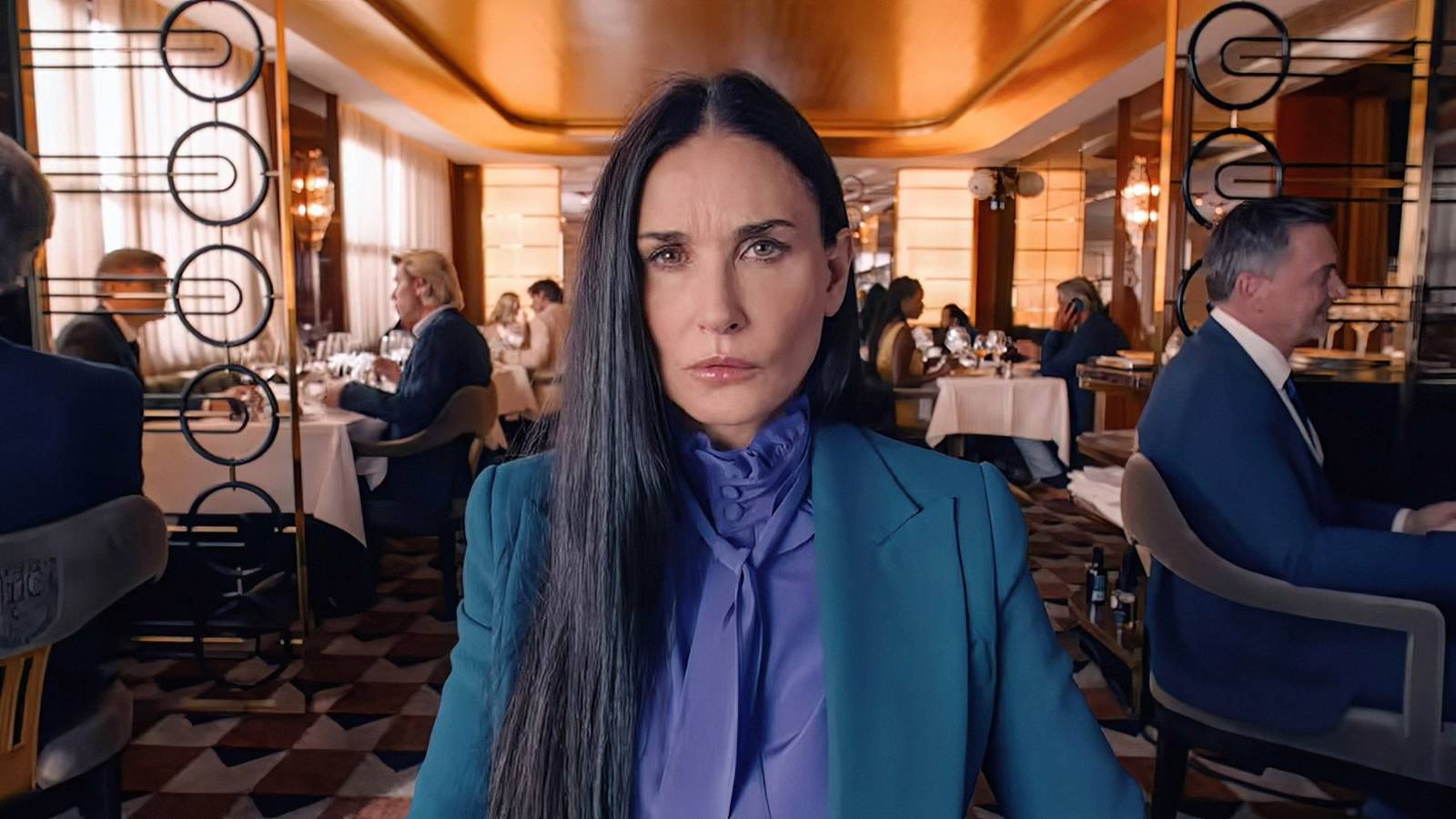


‘Baywatch’ Reboot Officially Confirms Streaming Release Details
When Baywatch signed off in 2001, it had already spent the better part of a decade as the most-watched show on the planet, airing in more than 200 countries and reaching over a billion viewers a week at its peak.…
Aug 5, 2026
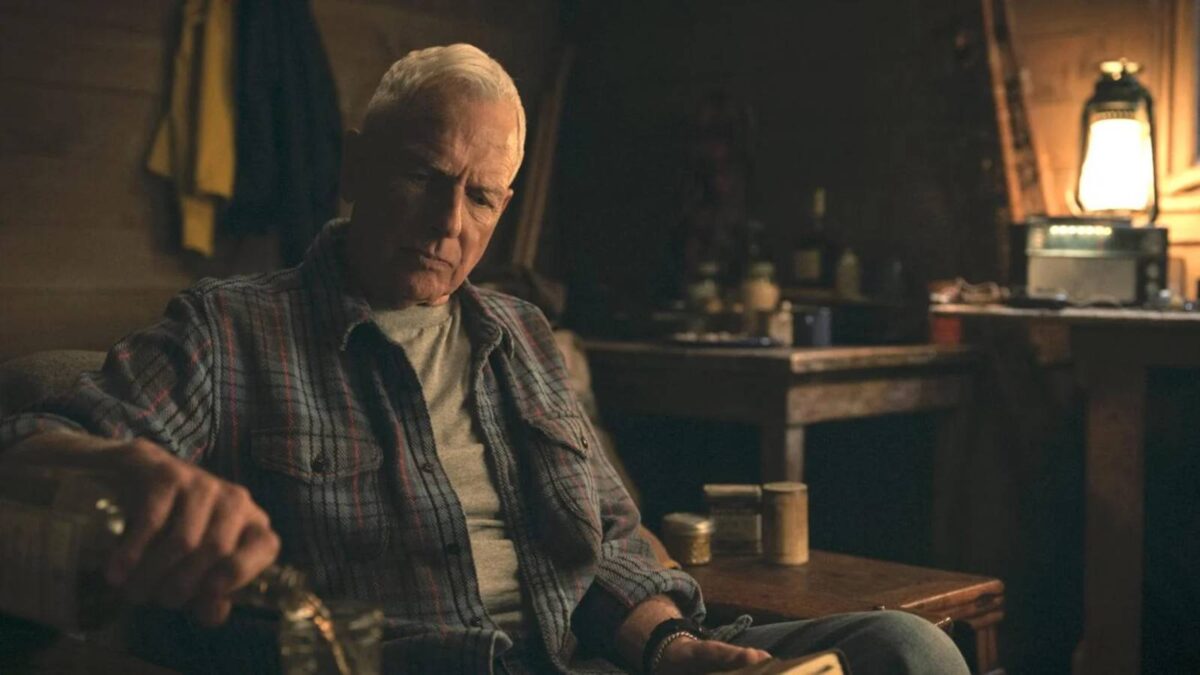
Origins’ Sets Return Date With Mark Harmon Getting a Season-Long Arc
Mark Harmon played special agent Leroy Jethro Gibbs for 18 seasons of NCIS before leaving in Season 19. The original show has soldiered on without him — it will soon be back for its 24th season — but the franchise…
Aug 4, 2026

Forget ‘Lioness,’ Paramount’s 114-Episode Non-Stop Action Thriller Is One of the Biggest Shows on Streaming
Taylor Sheridan's hit action thriller, Spec Ops: Lioness, is nearly back with its third season. Season 3 of Lioness debuts on Aug. 2, dropping a new episode each week. While Taylor Sheridan fans are re-watching the series (and Sheridan's other…
Aug 3, 2026

Long-Awaited DCU Superhero Series No Longer Moving Forward After 3 Years
Another day, another superhero project canceled. Despite the box office success of Marvel Studios' Spider-Man: Brand New Day, it was sandwiched between the cancellation of Wonder Man Season 2 and Mahershala Ali confirming he is no longer attached to star…
Aug 2, 2026