Mufasa: The Lion King Review
Dec 18, 2024
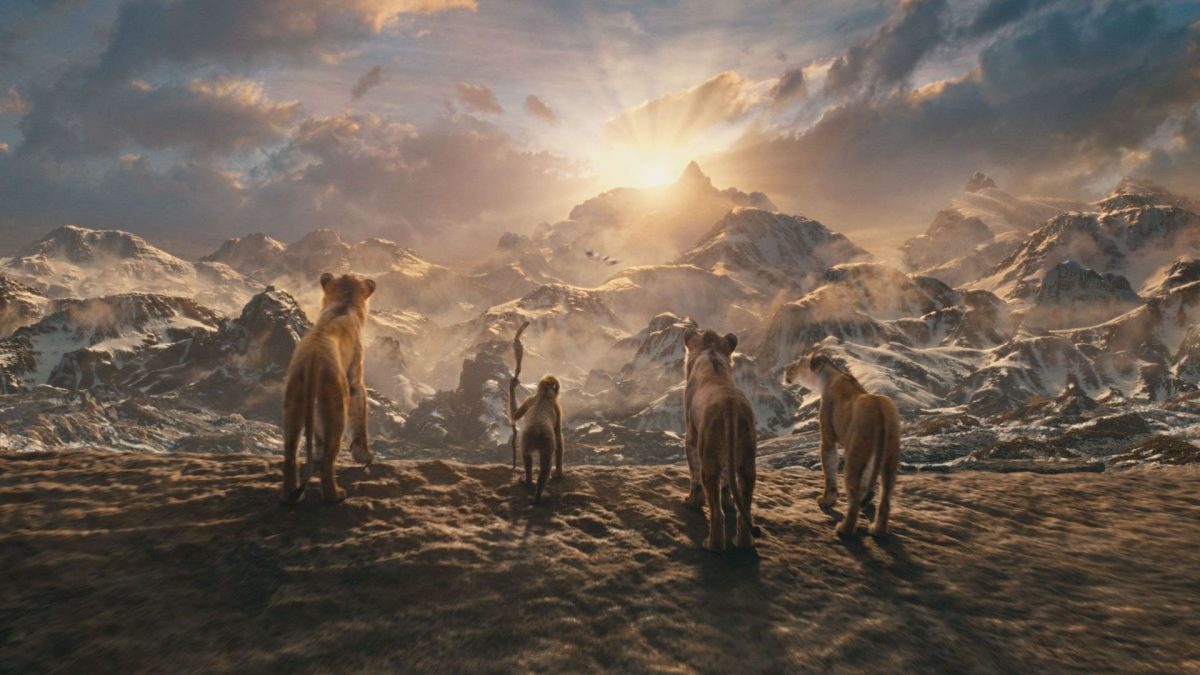
Watching Mufasa: The Lion King, you get the sense that Disney at least tried to address some of the criticisms aimed at its 2019 predecessor. Namely, the animals lacked expressions and this story was already perfectly told in the 1994 animated classic. Mufasa might be an improvement in those regards, but not significantly. While the photorealistic animals have more personality, the film never strikes the right balance between realistic and humanoid like Jon Favreau’s Jungle Book remake. Although the story is technically “original,” you’ve seen it in better movies like The Prince of Egypt and Transformers One. It also calls Kimba the White Lion to mind, which is one way of bringing things full circle. As Timon put it in the last movie, though, it’s more like a meaningless line of indifference.
Speaking of Timon and Pumbaa, Billy Eichner and Seth Rogen are again the most amusing part. Even they don’t serve much purpose, often interjecting just to remind us that they’re in the movie. The two are tasked with babysitting Simba and Nala’s daughter Kiara (Blue Ivy Carter), admittedly a cute callback to The Lion King II: Simba’s Pride. You’ll wish you were watching that movie as Rafiki recounts how Mufasa became king. Separated from his parents, young Mufasa is taken in by a royal lion family with another cub named Taka. Of course, this story is just as much about how Taka got his scar. Yeah, you all know Taka is Scar, so that’s what I’m gonna call him.
Exploring how Mufasa and Scar went from brothers to enemies is a promising idea for a prequel. Unlike Moses or Ramses, though, this origin story doesn’t spend enough time developing Mufasa and Scar’s bond. Upon meeting, Scar sings a song about how he always wanted a brother, but the film immediately fast-forwards through their childhood. Now adults, Scar (Kelvin Harrison Jr.) has grown up to be a whiny coward while Mufasa (Aaron Pierre) does all of the heavy lifting. You never get a true sense of camaraderie. When the two inevitably have their falling out, it doesn’t feel as tragic as the filmmakers think. If anything, Scar’s motivations are incredibly basic, rushed, and nonsensical.
Mufasa and Scar are forced to flee their home when a pride of evil white lions intrude. For those who don’t know about the Kimba/Simba fiasco, it’s too much to unpack here, but Disney should know better at this point. On their travels, the brothers encounter a lioness named Sarabi (Tiffany Boone). This leads to a love triangle devoid of any chemistry, yet fuels most of the drama in the third act. You won’t be feeling the love tonight. On that note, let’s talk about the songs.
Lin-Manuel Miranda is one of our finest songwriters with some of his most infectious work being for the Mouse House (Moana, Encanto). Even his contributions to the live-action Little Mermaid were passable (save The Scuttlebutt). The songs here are astonishingly passionless, however. Not only are they forgettable, but the audience often struggles to understand what the characters are even singing half of the time. It’s hard to say if this is due to the lyrics, performances, sound mixing, or all of the above. In any case, anyone who condemned the songs in Moana 2 owes Barlow and Bear an apology.
Miranda isn’t the only squandered talent, as director Barry Jenkins is given nothing to work with. Alas, that’s what these live-action/photorealistic Disney adaptations do. They enlist gifted filmmakers (Tim Burton, Guy Ritchie, David Lowery), but they’re all directors for hire. The films themselves are designed by committee. In exchange for their cooperation and name recognition, the directors receive a paycheck that can go toward projects they actually want to make. If this is what it takes for Jenkins to produce the next Moonlight or If Beale Street Could Talk, so be it. Just spare us the photorealistic remake of The Lion King 1½, Disney.
Publisher: Source link





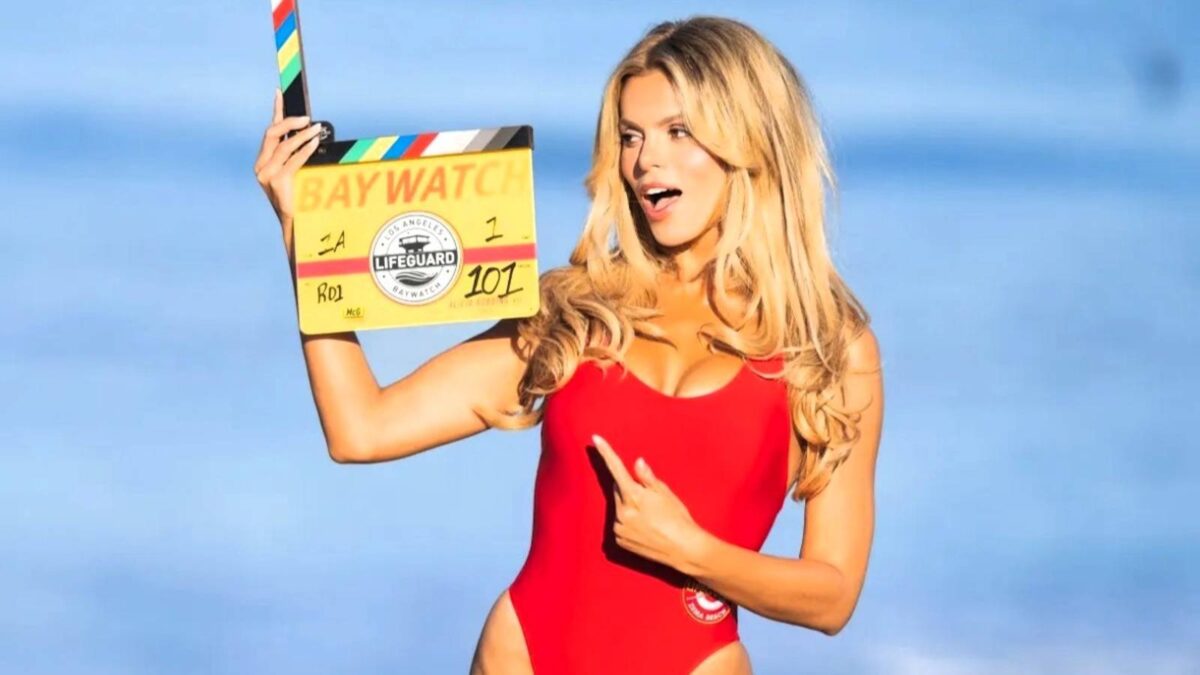
‘Baywatch’ Reboot Officially Confirms Streaming Release Details
When Baywatch signed off in 2001, it had already spent the better part of a decade as the most-watched show on the planet, airing in more than 200 countries and reaching over a billion viewers a week at its peak.…
Aug 5, 2026
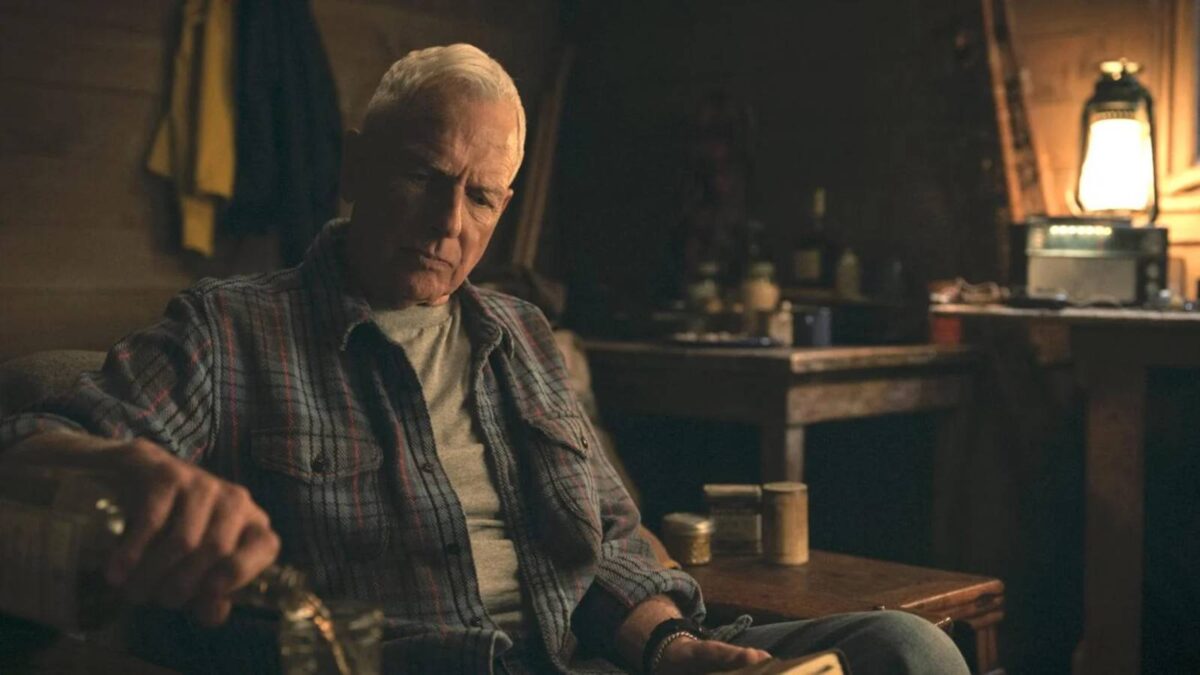
Origins’ Sets Return Date With Mark Harmon Getting a Season-Long Arc
Mark Harmon played special agent Leroy Jethro Gibbs for 18 seasons of NCIS before leaving in Season 19. The original show has soldiered on without him — it will soon be back for its 24th season — but the franchise…
Aug 4, 2026
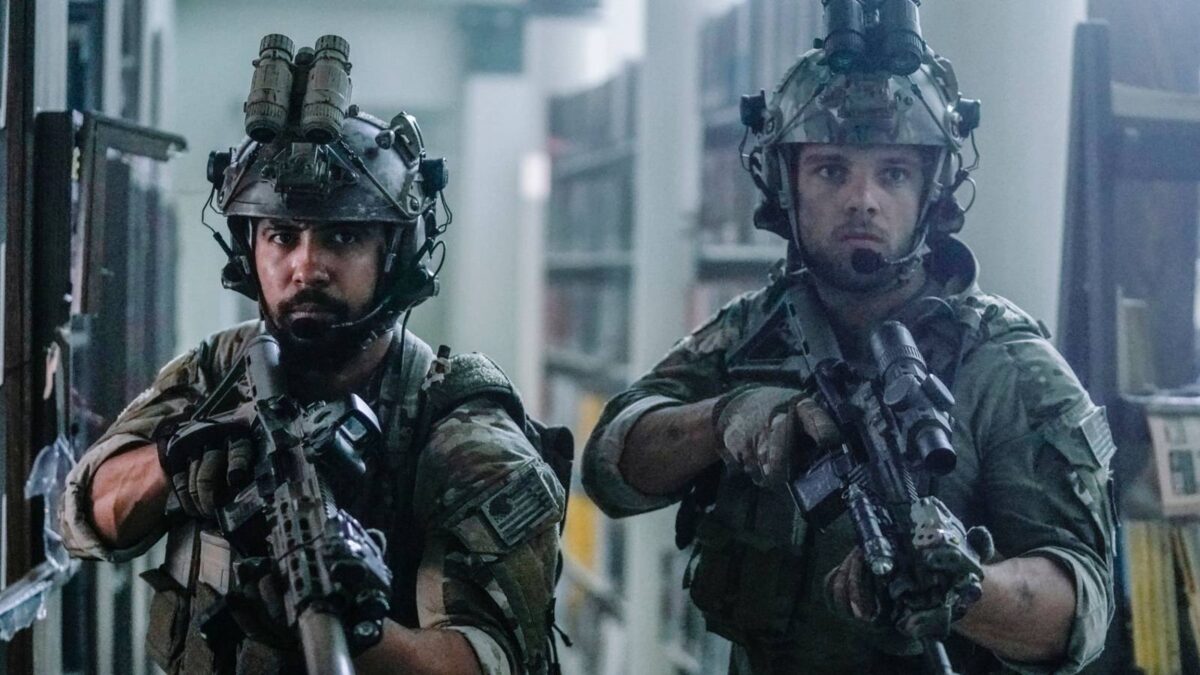
Forget ‘Lioness,’ Paramount’s 114-Episode Non-Stop Action Thriller Is One of the Biggest Shows on Streaming
Taylor Sheridan's hit action thriller, Spec Ops: Lioness, is nearly back with its third season. Season 3 of Lioness debuts on Aug. 2, dropping a new episode each week. While Taylor Sheridan fans are re-watching the series (and Sheridan's other…
Aug 3, 2026
Long-Awaited DCU Superhero Series No Longer Moving Forward After 3 Years
Another day, another superhero project canceled. Despite the box office success of Marvel Studios' Spider-Man: Brand New Day, it was sandwiched between the cancellation of Wonder Man Season 2 and Mahershala Ali confirming he is no longer attached to star…
Aug 2, 2026